Sustainability Elements in AgriFoodTech: A Comprehensive Guide
Estimated reading time: 8 minutes
Key Takeaways
-
- The integration of sustainability elements in AgriFoodTech is crucial for addressing global challenges like food security, climate change, and resource conservation.
-
- AgriFoodTech combines traditional agriculture with advanced technologies such as AI, IoT, and blockchain to improve efficiency and sustainability.
-
- Core sustainability elements include resource efficiency, waste reduction, and renewable energy integration.
-
- Digital agriculture represents the next frontier in sustainable farming practices, encompassing precision farming, IoT integration, and drone technology.
- Overcoming challenges like high initial costs and technical knowledge gaps is possible through government incentives, education programs, and partnerships.
Table of contents
Introduction
In an era where our global population is projected to reach 9.7 billion by 2050, the integration of sustainability elements in AgriFoodTech has become more critical than ever. This revolution in agricultural technology is transforming how we produce, distribute, and consume food while prioritizing environmental stewardship.
Understanding AgriFoodTech
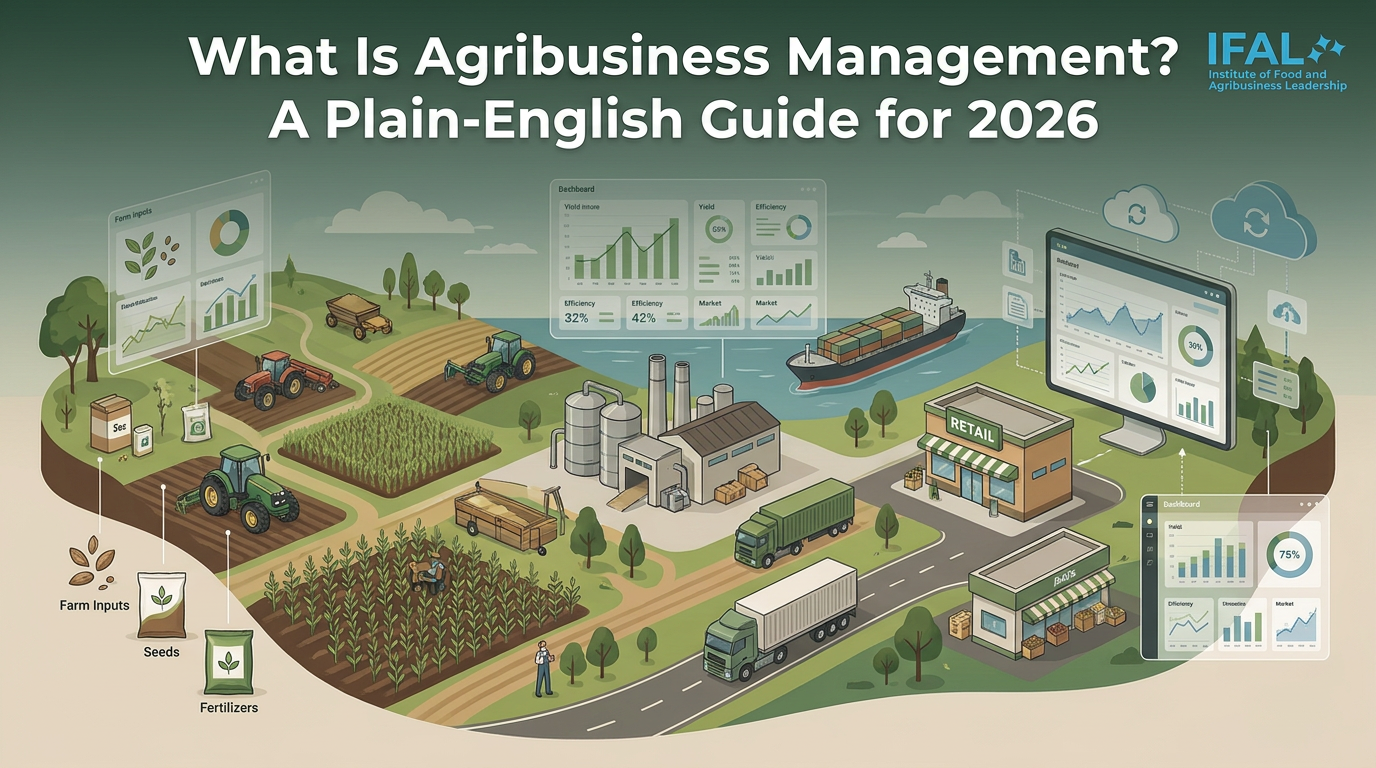
AgriFoodTech represents the convergence of agriculture and technology, aimed at improving efficiency and sustainability throughout the entire food supply chain—from farm to fork. This innovative approach combines cutting-edge technology with traditional farming practices to address pressing global challenges.
Modern AgriFoodTech encompasses a diverse range of technologies and innovations, including:
-
- Precision Agriculture
-
- Smart Farming Systems
-
- Vertical Farming Solutions
-
- Alternative Protein Development
- Food Traceability Platforms
These systems leverage advanced technologies such as:
-
- Internet of Things (IoT) for real-time monitoring
- Biotechnology for crop resilience
This technological integration enables data-driven decision-making, significantly improving farming efficiency and sustainability.
[Source: Sustainable Agriculture Definition, Advantages, and Policies]
Core Sustainability Elements in AgriFoodTech
Resource Efficiency
Water Management
Modern irrigation systems utilize IoT sensors to measure soil moisture, preventing over-irrigation and optimizing water usage. These systems can reduce water consumption by up to 30% while maintaining or improving crop yields.
Energy Optimization
Farms are increasingly adopting energy-efficient machinery and incorporating renewable energy sources into their operations.
Land Use Maximization
Vertical farming and hydroponic systems allow for efficient land use, particularly in urban environments. Learn more about sustainable farming practices in India here.
[Source: Sustainable Agriculture Definition, Advantages, and Policies]
Waste Reduction and Management
-
- Advanced Supply Chain Management: Preventing food spoilage through better tracking
-
- Agricultural Byproduct Recycling: Converting crop residues into bioenergy
- Sustainable Packaging: Development of biodegradable alternatives to plastic
[Source: Building Inclusive, Productive, and Sustainable AgriFood Systems]
Renewable Energy Integration
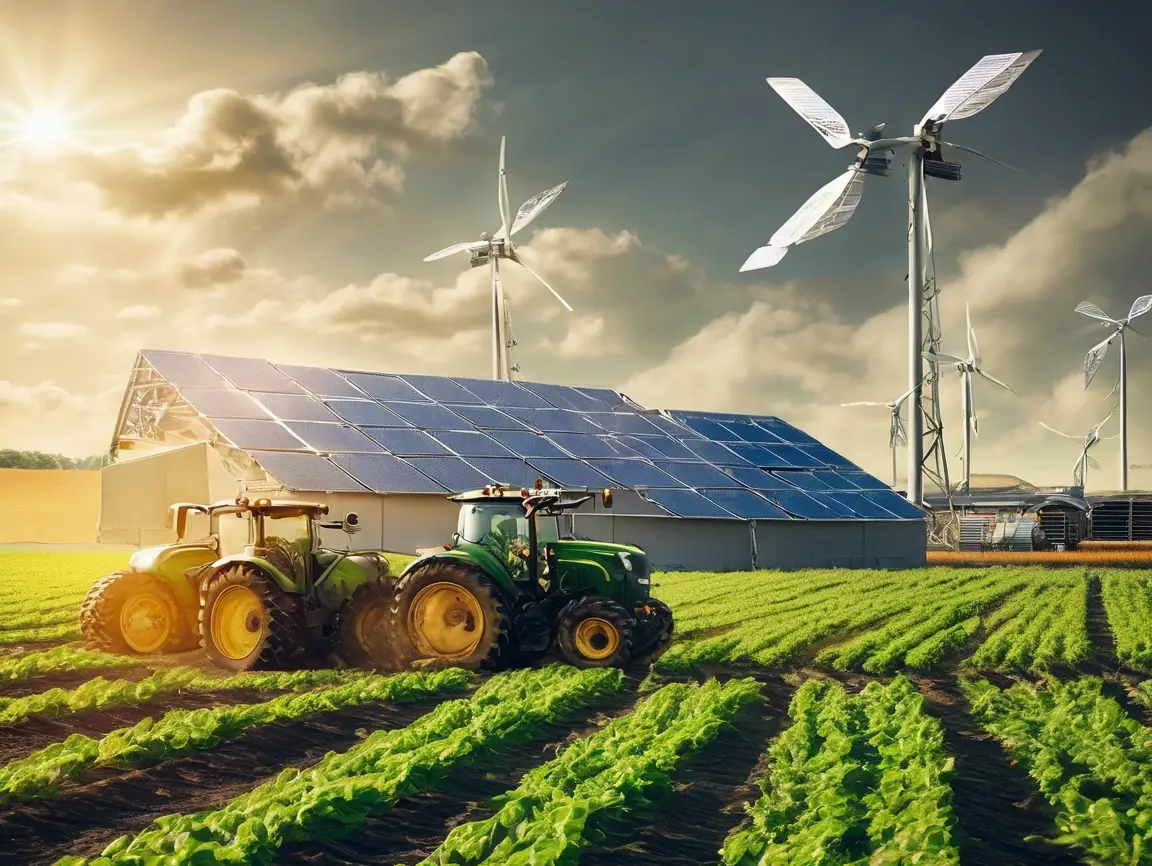
The sector has embraced various renewable energy sources:
-
- Solar Power: Powering irrigation systems and farm operations
-
- Biogas Production: Converting agricultural waste into energy
- Wind Energy: Operating farm equipment and facilities
[Source: Sustainable Agriculture Definition, Advantages, and Policies]
Sustainable Digital Agriculture
Digital agriculture represents the next frontier in sustainable farming practices. Key components include:
Precision Farming Technologies
-
- GPS-guided equipment
-
- Variable rate technology
- Smart sensors for soil monitoring
IoT Integration
-
- Real-time crop health monitoring
-
- Microclimate tracking
- Automated irrigation systems
Drone and Satellite Technology
-
- Aerial crop monitoring
-
- Land assessment
- Precision spraying
[Source: Building Inclusive, Productive, and Sustainable AgriFood Systems]
AgriFoodTech Sustainability Strategies
Successful implementation of sustainability strategies requires:
Holistic Approach
-
- Integration across the entire supply chain (Learn more)
-
- Stakeholder engagement at all levels
- Continuous monitoring and improvement
Measurement Metrics
-
- Environmental Impact: Carbon footprint, water usage, biodiversity
-
- Economic Indicators: ROI, cost savings, market growth
- Social Factors: Employment rates, community development
Green AgriFoodTech Innovations
Recent innovations focus on:
Vertical Farming
-
- Reduced land use
-
- Controlled environment agriculture
- Urban farming solutions
Alternative Proteins
-
- Plant-based meat alternatives
-
- Lab-grown protein development
- Sustainable protein sources
Smart Packaging
-
- Biodegradable materials
-
- Extended shelf life solutions
- Reduced plastic usage
Benefits of Sustainability in AgriFoodTech
The implementation of sustainable practices offers multiple advantages:
Environmental Benefits
-
- Reduced greenhouse gas emissions
-
- Improved soil health
- Better water conservation
Economic Advantages
-
- Lower operational costs
-
- Increased crop yields
- Access to premium markets
Social Impacts
-
- Enhanced food security
-
- Rural development opportunities
- Improved farmer livelihoods
Challenges and Solutions
Common challenges include:
Implementation Barriers
-
- High initial costs
-
- Technical knowledge gaps
- Infrastructure limitations
Solutions
-
- Government incentives and subsidies
-
- Training and education programs (Mini-MBA in Sustainable Food Supply Chains)
- Public-private partnerships
Take the Next Step
If you’re ready to advance your career in food and agribusiness:
Explore Avila University’s Agribusiness Certificate Programs
Identify the certificate that aligns with your career stage
Connect with admissions advisors to plan your learning pathway
Learn more:
https://www.avila.edu/avila-agribusiness-programs/
Frequently Asked Questions
What is AgriFoodTech?
AgriFoodTech is the integration of technology into agriculture and food production processes to enhance efficiency, sustainability, and profitability across the entire food supply chain.
Why is sustainability important in AgriFoodTech?
Sustainability ensures that agricultural practices meet current food needs without compromising the ability of future generations to meet theirs, focusing on environmental health, economic profitability, and social equity.
What are the main challenges in implementing sustainable AgriFoodTech practices?
Main challenges include high initial investment costs, lack of technical expertise, and inadequate infrastructure in certain regions.
How can technology help in sustainable agriculture?
Technology aids in precision farming, resource management, crop monitoring, and data analytics, leading to more efficient and sustainable agricultural practices.
What role do governments play in promoting sustainable AgriFoodTech?
Governments can provide incentives, subsidies, and support for research and development to encourage the adoption of sustainable technologies in agriculture.