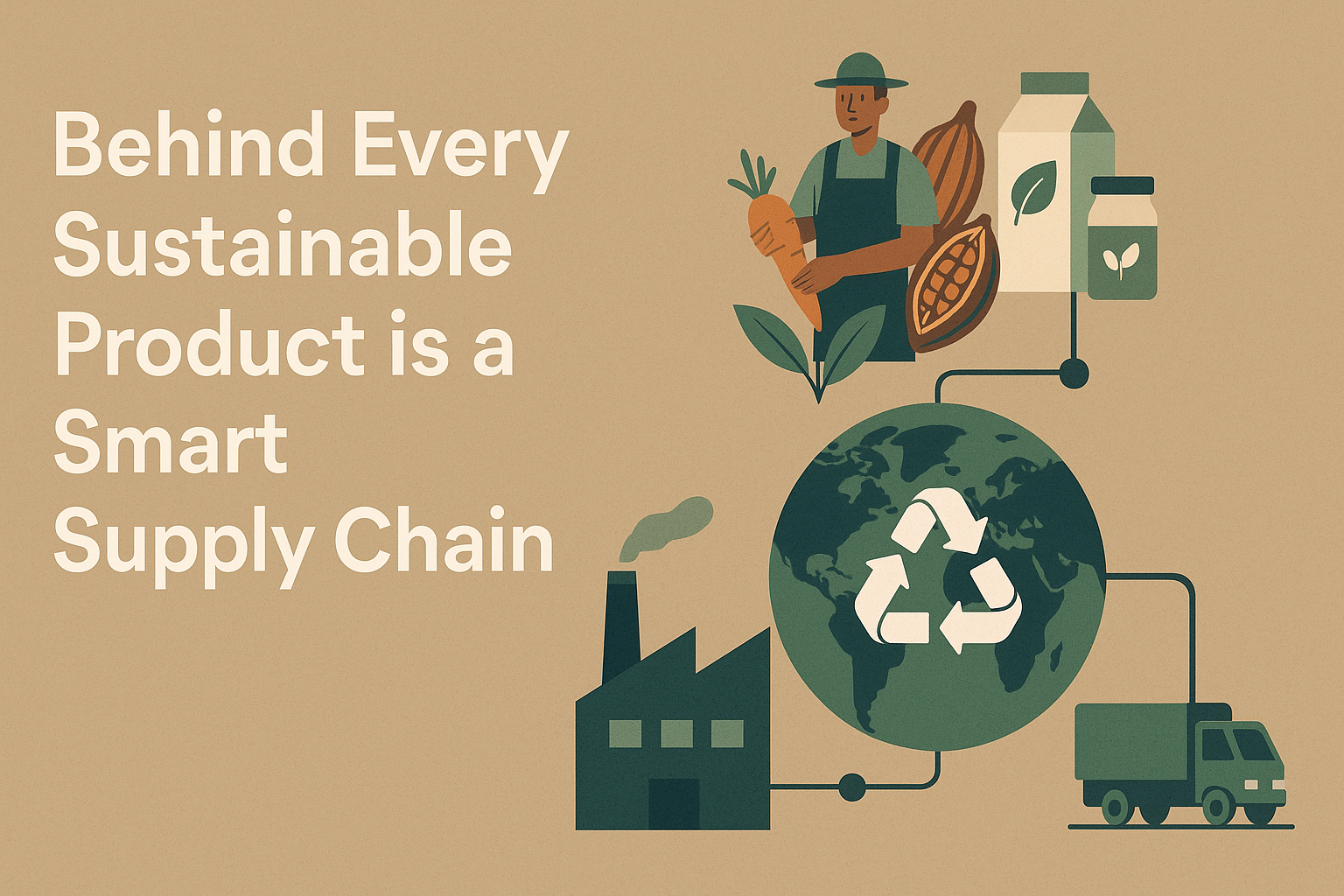
Behind Every Sustainable Product is a Smart Supply Chain
Why sustainable brands win with supply chain intelligence—and how you can too.
Introduction
Look closely at the next chocolate bar, fruit snack, or oat milk carton you pick off the shelf. You might see labels shouting carbon neutral, fair trade, or organic. But behind those claims lies the real engine of sustainability—the supply chain.
From cocoa farms in West Africa to refrigerated trucks across India, from processing units to digital traceability apps—sustainable products are only as credible and impactful as the supply chains behind them.
This blog explores how leading brands are transforming their supply chains to deliver on sustainability, how that offers competitive advantage, and why future-ready professionals need to become systems thinkers through programs like the Mini MBA in Sustainable Food Supply Chains.
Why Sustainability Is a Supply Chain Issue
It’s no longer enough for products to be “green” in isolation. The world is asking:
Where were the raw materials grown?
Who harvested them—and were they paid fairly?
What practices were used in processing?
What emissions were released in getting them to the store?
Each of these questions is a supply chain question.
🟢 A truly sustainable product is not defined by its label—but by the invisible system that brought it to life.
What Makes a Supply Chain “Smart” in Today’s Context?
Smart supply chains aren’t just fast or efficient—they’re designed for resilience, fairness, and transparency.
| Pillar | Characteristics |
|---|---|
| Traceable | Uses tech (e.g., blockchain, sensors) to track ingredients from source to shelf. |
| Regenerative | Supports environmental restoration through practices like no-till, agroforestry, and low-carbon logistics. |
| Farmer-Aligned | Ensures fair prices, long-term contracts, and capacity building for producers. |
| Digital & Dynamic | Leverages AI, IoT, and marketplaces to reduce waste, forecast demand, and optimize inventory. |
| Consumer-Connected | Tells authentic stories of people and practices behind the product. |
Case 1: Tony’s Chocolonely – Building a Slave-Free Cocoa Chain
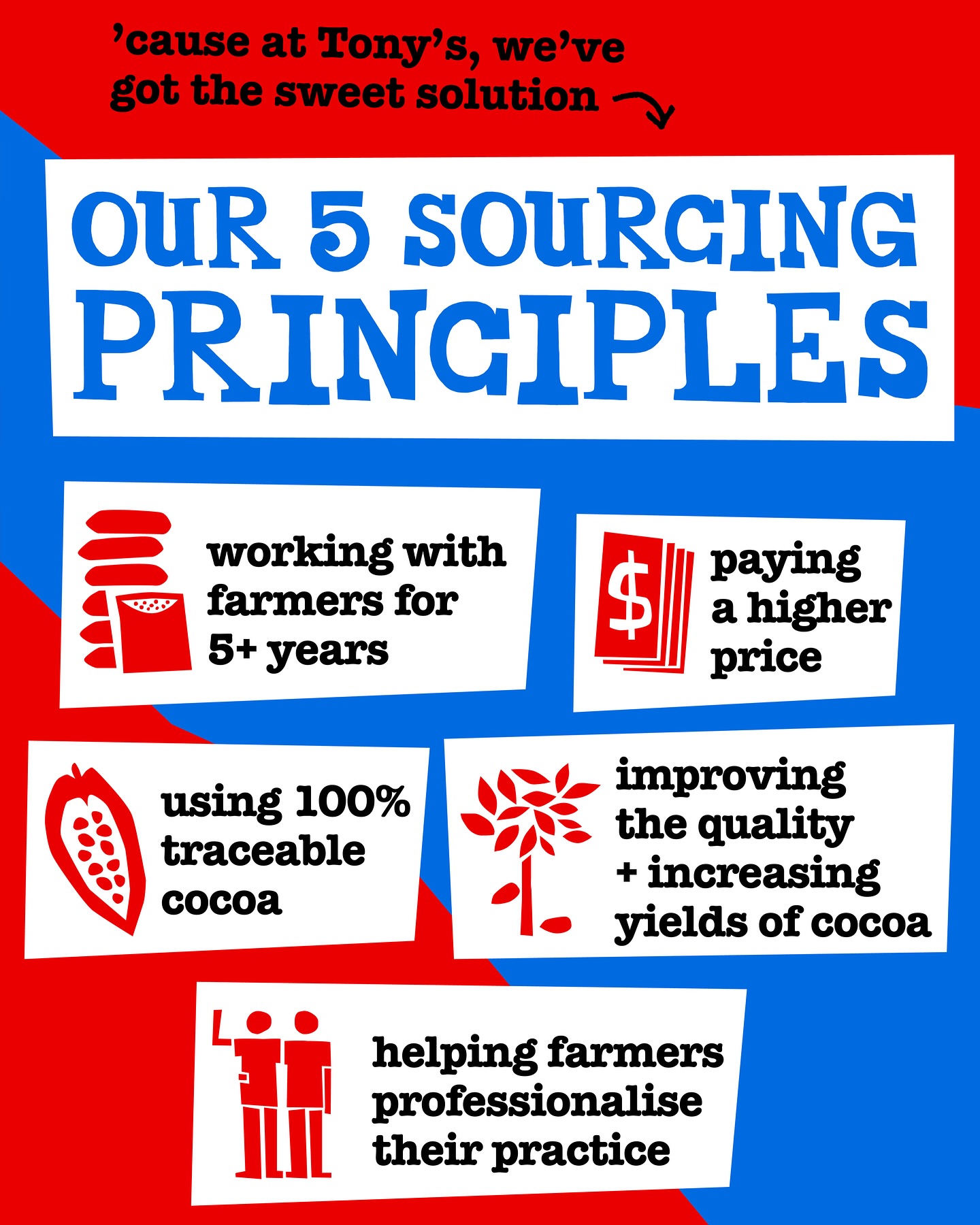
Tony’s Chocolonely is not just selling chocolate—it’s fixing a broken cocoa industry. Over 1.5 million children are engaged in cocoa labor in West Africa. Tony’s wanted none of that in their supply chain.
What they did:
Established direct sourcing with farmer cooperatives.
Paid premiums above market rates and offered long-term contracts.
Made their model open-source for others to adopt.
Their chocolate stands out not just for taste—but for trust and traceability.
Case 2: ProducePay – Digitizing Trust Across Borders
In North America’s fresh produce trade, small and mid-sized farmers often face delayed payments, waste, and price uncertainty—especially across borders.
ProducePay solves this through a marketplace offering:
Upfront financing for growers.
Real-time pricing data and weather insights.
Verified buyer networks and end-to-end traceability.
By aligning the interests of farmers, traders, and buyers, ProducePay is unlocking long-term competitiveness through supply chain intelligence.
Case 3: Sahyadri Farms – Farmer-Owned and Consumer-Focused
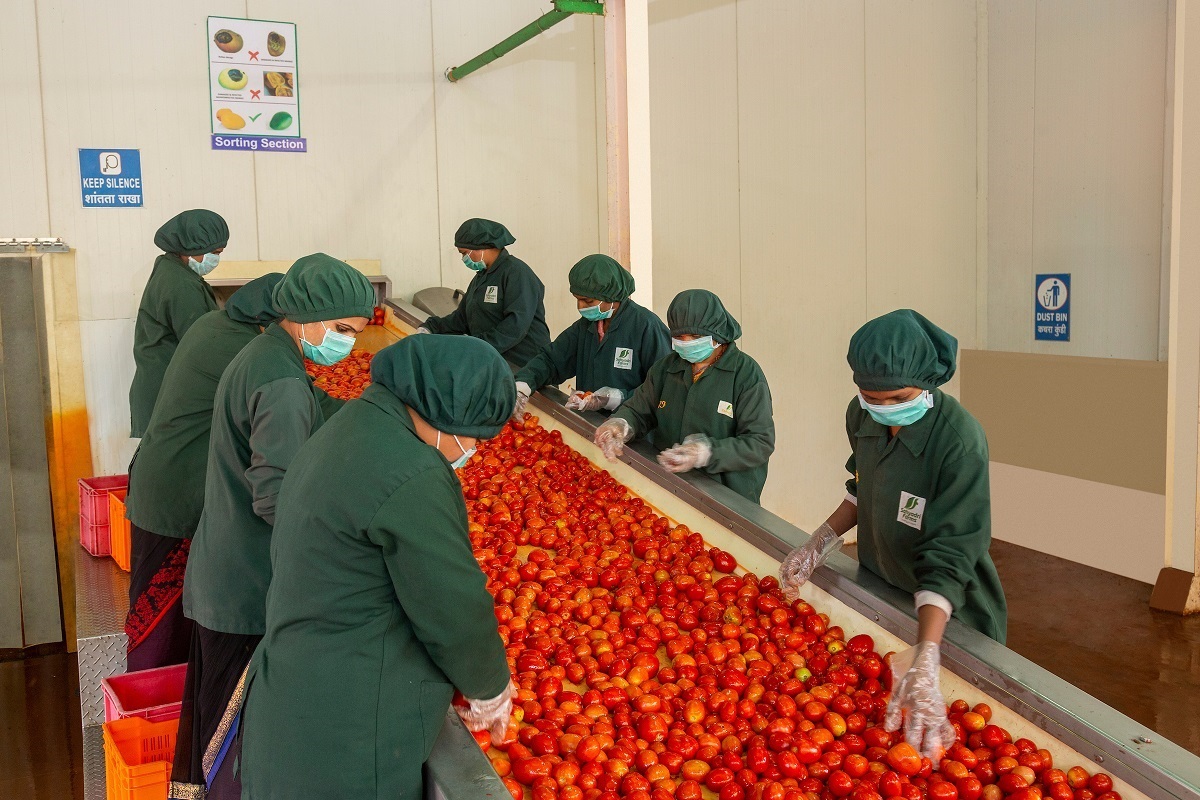
Based in Maharashtra, Sahyadri Farms is India’s largest farmer producer company, integrating over 18,000 smallholder fruit and vegetable growers into a high-value supply chain.
How Sahyadri redefined supply chain fairness and efficiency:
Built state-of-the-art processing and export facilities owned by farmers.
Implemented blockchain traceability and QR-code based consumer engagement.
Exported traceable, residue-free produce to global retailers, while selling branded products across India.
Sahyadri’s model proves that farmer-centricity is not charity—it’s a business strategy that delivers quality, reliability, and brand equity.
Case 4: Oatly – Climate Impact Built Into the Supply Chain
Oatly, the Swedish oat milk giant, doesn’t just talk sustainability—it measures and shares every detail.
What makes Oatly’s supply chain remarkable:
Labels show climate footprint (kg CO₂e) for every product.
Investments in regenerative oat farming practices.
End-to-end Life Cycle Assessments (LCAs) inform supply decisions.
Transparent reporting of emissions from farm, factory, and logistics.
With consumers demanding real accountability, Oatly’s radical supply chain transparency has become its biggest brand asset.
Why Farmer-Aligned Supply Chains Are the Future
Brands that prioritize fair partnerships with farmers outperform in the long run. Here’s why:
✅ Stable, Quality Supply
When farmers are partners—not just vendors—they’re more committed to quality, consistency, and innovation.
✅ Lower Risk, Higher Resilience
Training, fair wages, and regenerative practices improve climate resilience—reducing volatility in supply.
✅ Authentic Brand Stories
Consumers increasingly value supply chain transparency. Stories of empowerment and sustainability create deeper loyalty and price premiums.
✅ Market Access
Ethical sourcing and traceability open doors to export markets and institutional buyers with sustainability mandates.
🚀 A smart supply chain isn’t just ethical—it’s a competitive moat that’s hard for rivals to replicate.
The Strategic Shift: From Cost-Center to Value-Driver
Traditional supply chains focused on minimizing cost and maximizing speed. Today’s supply chains:
Build brand equity by delivering on sustainability claims.
Mitigate risk from climate change, regulations, and social unrest.
Drive innovation through farmer integration, digital tools, and decentralized networks.
Professionals who can see the big picture—across sourcing, logistics, ESG, and marketing—are now the most valuable players in food and agribusiness.
5 Signs You’re Ready to Lead in Sustainable Supply Chains
You want to move beyond siloed roles and see the full food value chain.
You’re curious about how tech and sustainability intersect in logistics and sourcing.
You recognize the power of farmer partnerships and equitable design.
You see supply chains not just as flows—but as systems of impact.
You want to future-proof your career in a rapidly transforming industry.
Learn to Build Smart Supply Chains with the Mini MBA
At Agribusiness Academy, we’ve developed the Mini MBA in Sustainable Food Supply Chains to equip professionals like you with:
Tools to map, evaluate, and redesign agri-food supply chains.
Case-based learning from global brands, startups, and cooperatives.
Skills in ESG strategy, climate-smart procurement, and digital innovation.
Career coaching and a peer network of value chain professionals.
Final Takeaways
Sustainability claims are only as strong as the supply chains behind them.
Smart supply chains are traceable, equitable, tech-driven, and regenerative.
Companies like Tony’s, Sahyadri, ProducePay, and Oatly show that value-chain intelligence is the new competitive advantage.
Farmers are not stakeholders to be managed—they are strategic partners in delivering value.
The future belongs to professionals who can bridge operations, impact, and innovation.
Take the Next Step
If you’re ready to advance your career in food and agribusiness:
Explore Avila University’s Agribusiness Certificate Programs
Identify the certificate that aligns with your career stage
Connect with admissions advisors to plan your learning pathway
Learn more:
https://www.avila.edu/avila-agribusiness-programs/