The Business of Alternative Foods: A Complete Guide to the Future of Food
Estimated reading time: 10 minutes
Key Takeaways
- The alternative foods industry is rapidly expanding, projected to reach $77.8 billion by 2025.
- Environmental, health, and ethical concerns are key drivers of market growth.
- Innovations include plant-based meats, lab-grown meat, and insect-based proteins.
- Businesses face challenges like production costs, consumer acceptance, and regulatory compliance.
- The future of food lies in sustainable and innovative alternative food models.
Table of contents
Introduction to Alternative Foods
Alternative foods encompass a wide range of innovative products that have potential to replace conventional foods. This includes:
- Plant-based meat and dairy alternatives
- Lab-grown (cultured) meat
- Insect-based protein products
- Novel protein sources using fermentation technology
- Forgotten food like Millets, Quinoa, Amaranthus etc.
These alternatives are gaining traction as consumers become more conscious of their food choices’ impact on health, animal welfare, and the environment. [Source]
Understanding the Alternative Foods Market
The alternative foods market is experiencing unprecedented growth, driven by several key factors:
Environmental Impact
Traditional livestock farming is a significant contributor to:
- Greenhouse gas emissions
- Deforestation
- Water consumption
- Soil degradation
Alternative food production methods typically require fewer resources and produce lower emissions, making them more environmentally sustainable. [Source] [Source]
Health Consciousness
Modern consumers increasingly seek healthier food options that are:
- Lower in saturated fats
- Cholesterol-free
- Rich in plant-based nutrients
- Free from hormones and antibiotics
This health-focused trend has accelerated the adoption of alternative foods across various demographics. [Source] [Source]
Ethical Considerations
Growing awareness of animal welfare issues has led many consumers to seek cruelty-free alternatives. This shift has created significant opportunities for businesses offering ethical food alternatives. [Source]
Alternative Food Models
The industry encompasses several distinct approaches to food production:
Plant-Based Foods
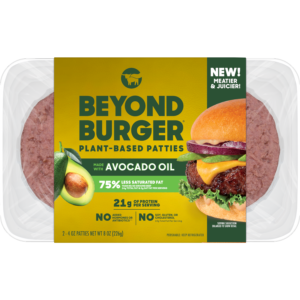
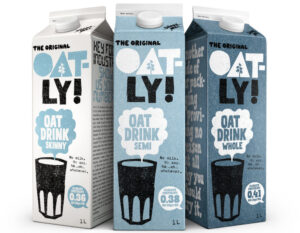
These products use vegetables, grains, nuts, and legumes to create alternatives that mirror the taste and texture of animal products. Examples include:
- Beyond Meat’s plant-based burgers
- Oat and almond milk
- Egg substitutes made from mung beans [Source]
Lab-Grown Meat
Also known as cultured meat, this technology involves:
- Growing real animal tissue in laboratory conditions
- No need for animal slaughter
- Potential for reduced environmental impact
- Lower resource consumption

Insect-Based Foods
This emerging sector offers:
- High-protein content
- Minimal environmental impact
- Efficient resource utilization
- Various product applications (protein powder, snacks, meat alternatives)

Innovative Food Alternatives
Technology drives innovation in alternative foods through various approaches:
Cell-Culture Meat Technology
Companies like MeaTech 3D and UPSIDE Foods are advancing:
- Laboratory meat cultivation techniques
- Scalable production methods
- Enhanced texture and taste profiles [Source]
Extrudable Fat Technology
This innovation focuses on:
- Mimicking animal fat texture
- Improving mouthfeel
- Enhancing flavor release
- Creating more authentic meat alternatives
Prolamin Technology
Advances in plant-based cheese production include:
- Improved melting properties
- Better stretching characteristics
- Enhanced texture similarity to dairy cheese
Market Opportunities
The alternative foods market offers numerous opportunities:
Lucrative Niches
- Plant-based dairy alternatives
- Culturally specific meat substitutes
- Sustainable seafood alternatives
- Specialty dietary products (Halal, Kosher, gluten-free)
Success Strategies
- Focus on quality and taste
- Invest in research and development
- Build strong industry partnerships
- Implement effective marketing and education campaigns
Challenges and Solutions
Key Industry Challenges
Production Costs
- High initial investment requirements
- Scale-up challenges
- Technology development expenses
Consumer Acceptance
- Taste and texture expectations
- Price sensitivity
- Safety concerns
Regulatory Compliance
- Complex approval processes
- Varying international standards
- Novel food regulations
Solutions and Strategies
- Transparent communication about production methods
- Continuous product improvement
- Strategic partnerships with established brands
- Investment in consumer education
Future Trends
The alternative foods market is poised for continued growth:
Emerging Technologies
- Advanced cellular agriculture
- Precision fermentation
- Improved protein extraction methods
Market Projections
- Lab-grown and plant-based meat expected to dominate by 2040
- Continued expansion of dairy alternatives
- Integration with traditional food supply chains
Conclusion
The business of alternative foods represents a transformative shift in global food production. As technology advances and consumer acceptance grows, this sector will play an increasingly vital role in feeding the world sustainably. Success in this market requires a combination of innovative technology, strategic partnerships, and strong consumer engagement.
Take the Next Step
If you’re ready to advance your career in food and agribusiness:
Explore Avila University’s Agribusiness Certificate Programs
Identify the certificate that aligns with your career stage
Connect with admissions advisors to plan your learning pathway
Learn more:
https://www.avila.edu/avila-agribusiness-programs/
Frequently Asked Questions
What are alternative foods?
Alternative foods are innovative products designed to replace traditional animal-based foods, including plant-based meats, lab-grown meats, insect-based proteins, and novel protein sources.
Why is the alternative foods market growing?
The market is growing due to increasing consumer awareness of environmental impacts, health benefits, and ethical considerations associated with traditional animal farming.
What are the challenges in the alternative foods industry?
Challenges include high production costs, consumer acceptance, taste and texture replication, and navigating regulatory compliance.
How can consumers contribute to the growth of alternative foods?
Consumers can support the industry by trying alternative food products, providing feedback, investing in companies, and spreading awareness about sustainable food options.