Food Trends in Southeast Asia – How Consumers and Retailers Are Shaping the Future
Introduction: A Changing Appetite in Southeast Asia
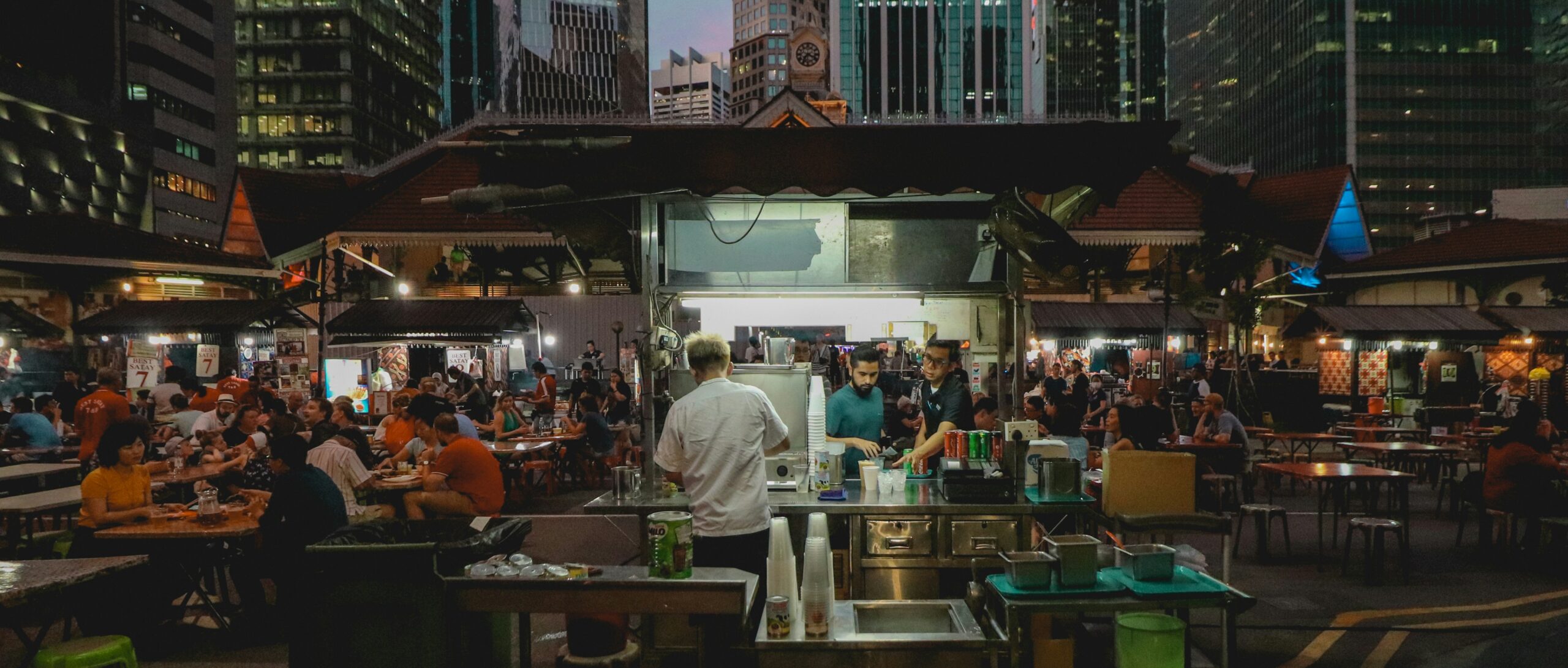
Imagine walking through the bustling streets of Bangkok or Jakarta five years ago. The air is filled with the scent of sizzling meats, steaming rice, and deep-fried street snacks. Fast forward to today, and you’ll notice a subtle but significant shift—vegan stalls popping up, organic labels dominating supermarket shelves, and delivery riders zipping through traffic with fresh grocery bags instead of fast food.
Southeast Asia’s food landscape is evolving at an unprecedented pace. Health-conscious, tech-driven, and sustainability-aware consumers are shaping new food trends, while retailers and e-commerce giants are innovating to keep up. But what’s driving this shift, and how are businesses adapting?
Let’s dive into the key consumer and retail trends that are reshaping the region’s food ecosystem.
1. The Rise of Health-Conscious & Sustainable Eating
 Plant-Based & Functional Foods Take Center Stage
Gone are the days when meat-heavy diets dominated Southeast Asia. A new wave of health-conscious consumers is embracing plant-based and functional foods, not just for ethical reasons but also for personal well-being.
 A study by Green Monday Asia found that 62% of Southeast Asians are willing to reduce meat consumption, while 80% would buy plant-based alternatives if priced competitively demand has sparked a boom in plant-based startups like:
- Meat Zero (Thailand): Owned by CP Foods, it became Asia’s leading plant-based brand, now available in 7+ countries.
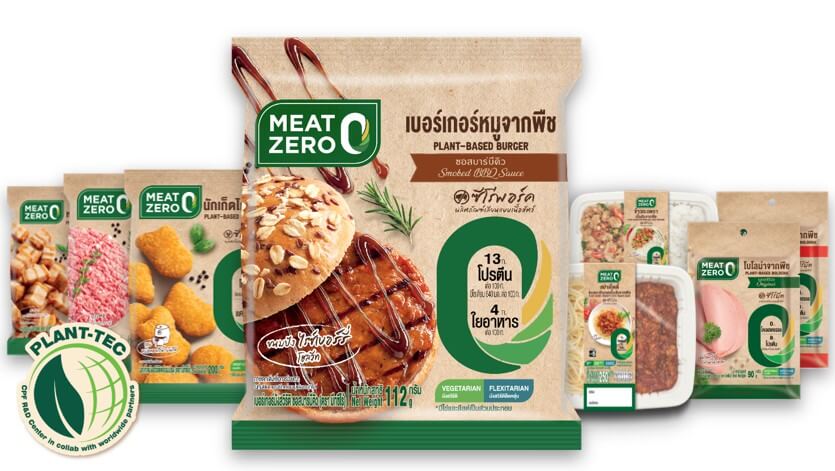
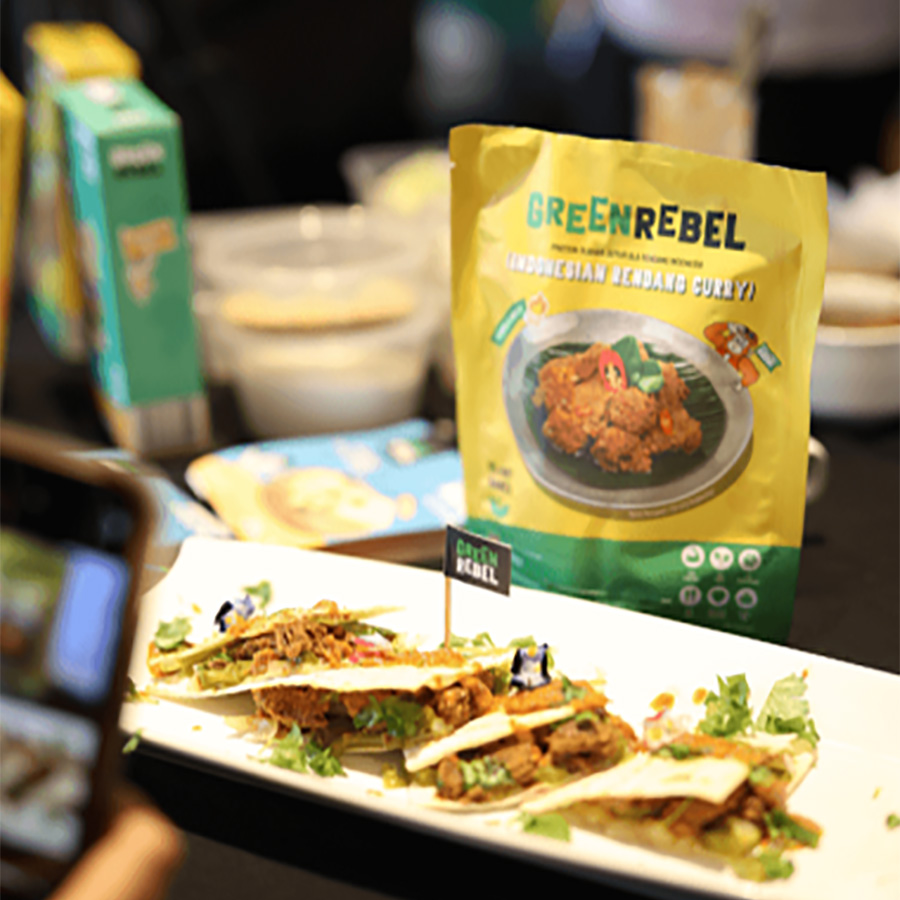
- Green Rebel (Indonesia): Specializes in plant-based rendang, satay, and meatless Asian cuisine, expanding into regional markets.
- Growthwell Foods (Singapore): A plant-based seafood company backed by global investors.

Beyond meat substitutes, functional foods—fortified with vitamins, probiotics, and superfoods—are gaining traction. In Indonesia, the functional food market surpassed $250 million, with growth fueled by demand for immunity-boosting and weight-management products.
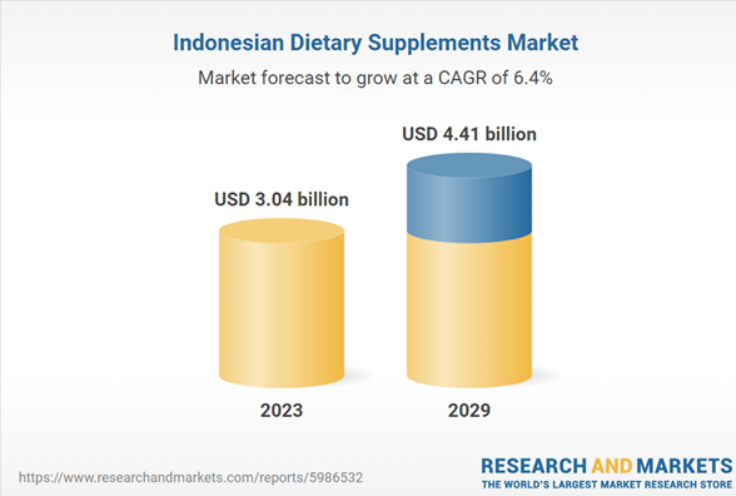
 tunity: Health-conscious millennials and Gen Z are driving this trend, creating opportunities for food manufacturers to expand into plant-based, organic, and functional food segments.
 Organic & Sustainable Eating Gains Momentum
Consumers across Singapore, Malaysia, and Thailand are willing to pay premiums for: Organic vegetables & chemical-free rice Sustainably caught seafood Farm-to-table transparency
Supermarkets like NTUC FairPrice (Singapore) and Lotus’s (Thailand) have expanded their organic product lines, while Vietnam’s organic farmland has grown by 300% in five years .
However, aff remains a major barrier. Less than 10% of Southeast Asia’s farmland is organic-certified, keeping prices high. The key to mass adoption? Government-backed organic subsidies and supply chain optimization.
2. The E-Commerce & Food Delivery Boom
 The Digital Grocery Revolution
COVID-19 changed the way Southeast Asians shop, accelerating online grocery adoption. In Vietnam, online grocery orders surged 45% in early 2020, and e-commerce platforms like RedMart (Singapore) and HappyFresh (Indonesia) have since expanded operations .
 Key Developments:.
- GrabMart & Foodpanda launchnd grocery delivery, offering same-hour service in metro areas.

- Indonesian farmers now sell fresh produce directly on e-commerce platforms, reducing middlemen and lowering costs.
The Challenge: Many consumers still prefer traditional wet markets. The winning formula for e-grocery? Affordable delivery fees, efficient cold chain logistics, and mobile-friendly shopping experiences.
 Food Delivery & Cloud Kitchens Take Over
Southeast Asia’s food delivery market hit $17.1B in 2023, led by: GrabFood (55% market share) Gojek’s GoFood (Indonesia) Foodpanda & ShopeeFood (Vietnam, Malaysia, Thailand)
Behind the scenes, cloud kitchens arreshaping the industry. Thailand-based Kitchen Hub and Indonesia’s Dailybox operate multiple “delivery-only” restaurants, reducing costs and increasing efficiency. By 2026, Southeast Asia’s cloud kitchen market is projected to reach $3 billion.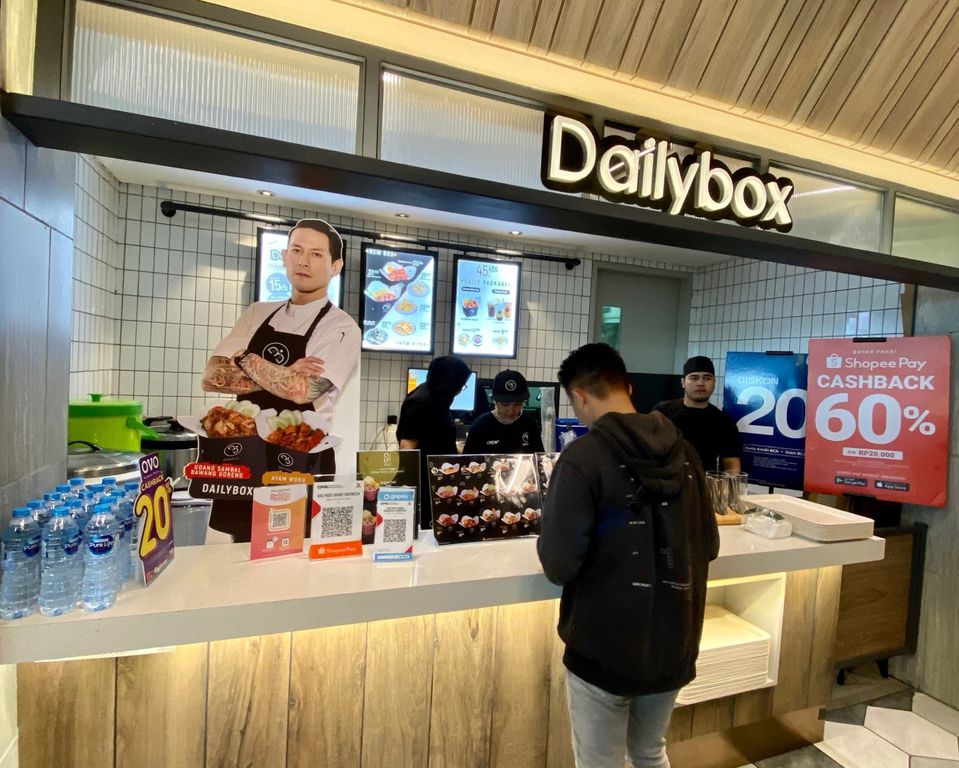
3. AI, Automation & Smart Retail Innova  Cold Chain Logistics – Keeping Food Fresh in Hot Climates
Fresh groceries, seafood, and dairy require highly efficient cold chain logistics, which is why investment in refrigerated warehouses and AI-powered storage has surged.
 Growth Areas:
- Vietnam & Indonesia are expanding cold storage hubs to support seafood exports.
- Malaysia’s halal food industry relies on advanced cold chains to meet global demand.
However, energy costs and unreliable infrastructure remain hurdles, creating opportunities for solar-powered cold storage and decentralized warehouse networks.
 AI-Driven Smart Retail
Retailers are embracing AI to predict demand, personalize promotions, and manage stock efficiently.
 AEON Malaysia & NTUC FairPrice (Singapore) have integrated AI-driven inventory tracking to prevent stockouts. Thailand’s Makro Cash & Carry uses AI price optimization to adjust discounts in real-time. Automated checkout & smart vending machines are rolling out in Singapore and Bangkok, reducing reliance on human cashiers.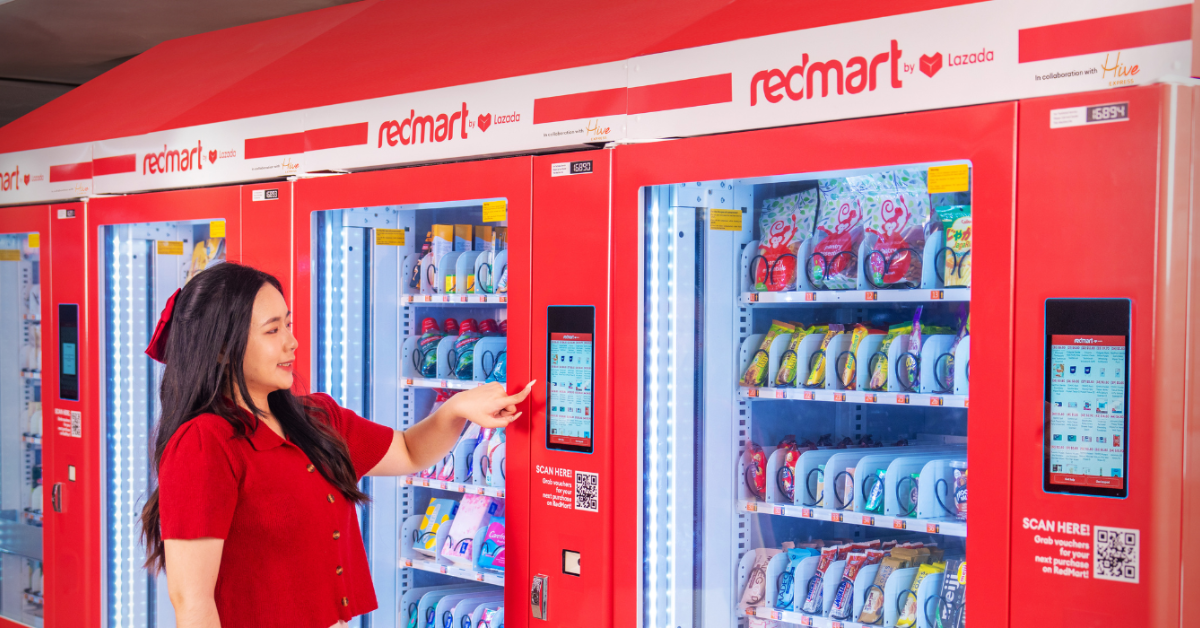
The Future: Expect cashierless stores, AI-powered loyalty programs, and fully automated warehouses to dominate food retail in the coming years.
Key Takeaways
 Southeast Asian consumers are shifting toward plant-based, functional, and sustainable foods. E-commerce grocery & food delivery are booming, but competition is fierce.
 Retailers are leveraging AI, automation, and cold chain logistics to improve efficiency.
The future of food in Southeast Asia will be more digital, more sustainable, and more consumer-driven. The key to success? Affordability, convenience, and innovation.
Take the Next Step
If you’re ready to advance your career in food and agribusiness:
-
Explore Avila University’s Agribusiness Certificate Programs
-
Identify the certificate that aligns with your career stage
-
Connect with admissions advisors to plan your learning pathway
Learn more:
https://www.avila.edu/avila-agribusiness-programs/