Innovations in Horticulture Supply Chains: Transforming Fresh Produce Delivery
Estimated reading time: 7 minutes
Key Takeaways
- Innovations are reshaping the horticulture supply chain, enhancing efficiency and product quality.
- Technologies like IoT, blockchain, and automation are revolutionizing production and distribution processes.
- Modern logistics and advanced farming practices contribute to sustainability and waste reduction.
- Future trends point toward even greater integration of emerging technologies in horticulture.
To stay ahead in the evolving horticulture supply chains, dive deeper into strategic decision-making with our Mini MBA in Sustainable Food Supply Chains. This program equips you with the tools to drive innovation, optimize operations, and create sustainable growth. Explore the Mini MBA here.
Table of Contents
The horticulture industry is experiencing a revolutionary transformation through innovations in horticulture supply chains. These advancements are reshaping how fresh produce moves from farm to consumer, addressing critical challenges in quality maintenance and delivery efficiency.
Today’s consumers demand fresher, higher-quality horticultural products with transparent origins. This demand, coupled with challenges like product perishability and supply chain inefficiencies, has driven remarkable innovations across the industry.
Understanding Horticulture Supply Chains
A horticulture supply chain encompasses every step from initial production to final consumer delivery. This complex network includes:
- Production practices (soil preparation, crop selection, planting)
- Post-harvest handling (sorting, grading, initial processing) [Source]
- Packaging systems
- Transportation logistics
- Retail distribution
Traditional supply chains face several significant challenges:
- Product perishability leading to waste
- Weather dependencies affecting crop yields
- Unpredictable market fluctuations
- Quality control maintenance
These challenges highlight why innovation has become essential in modern horticulture operations.
[Learn more about supply chain challenges]
Key Innovations in Horticulture Supply Chains
Review the case of Sahyadri Farms, which has integrated its operations from production to consumption in the fresh produce value chain
Internet of Things (IoT) and Smart Sensors
Modern horticulture supply chains heavily utilize IoT technology for enhanced monitoring and control. Smart sensors provide:
- Soil monitoring (moisture, nutrients, temperature)
- Air quality measurement (temperature, humidity, CO₂)
- Plant health tracking
- Real-time data for decision-making [Business of Agritech Innovation]
Blockchain Technology
Blockchain implementation offers:
- Complete product traceability
- Enhanced food safety monitoring
- Increased consumer trust through transparency
- Verified product information
Automation and Robotics
Advanced automation systems include:
- Robotic harvesting equipment
- Automated sorting and grading
- Smart packaging systems
- Reduced labor costs and human error
Modern Horticulture Logistics
Today’s horticulture logistics employ sophisticated systems for optimal product handling:
Temperature-Controlled Transportation
- Advanced refrigerated vehicles
- Smart container systems
- Adaptive cooling technology
- Real-time temperature monitoring
Cold Chain Innovations
- Sensor-based environmental tracking
- Immediate alert systems
- IoT integration for data management
- Continuous quality monitoring
Smart Logistics Software
- Real-time inventory tracking
- Route optimization algorithms
- Automated replenishment systems
- Efficient delivery scheduling
[Enhancing Supply Chain Resilience]
Advanced Horticulture Practices
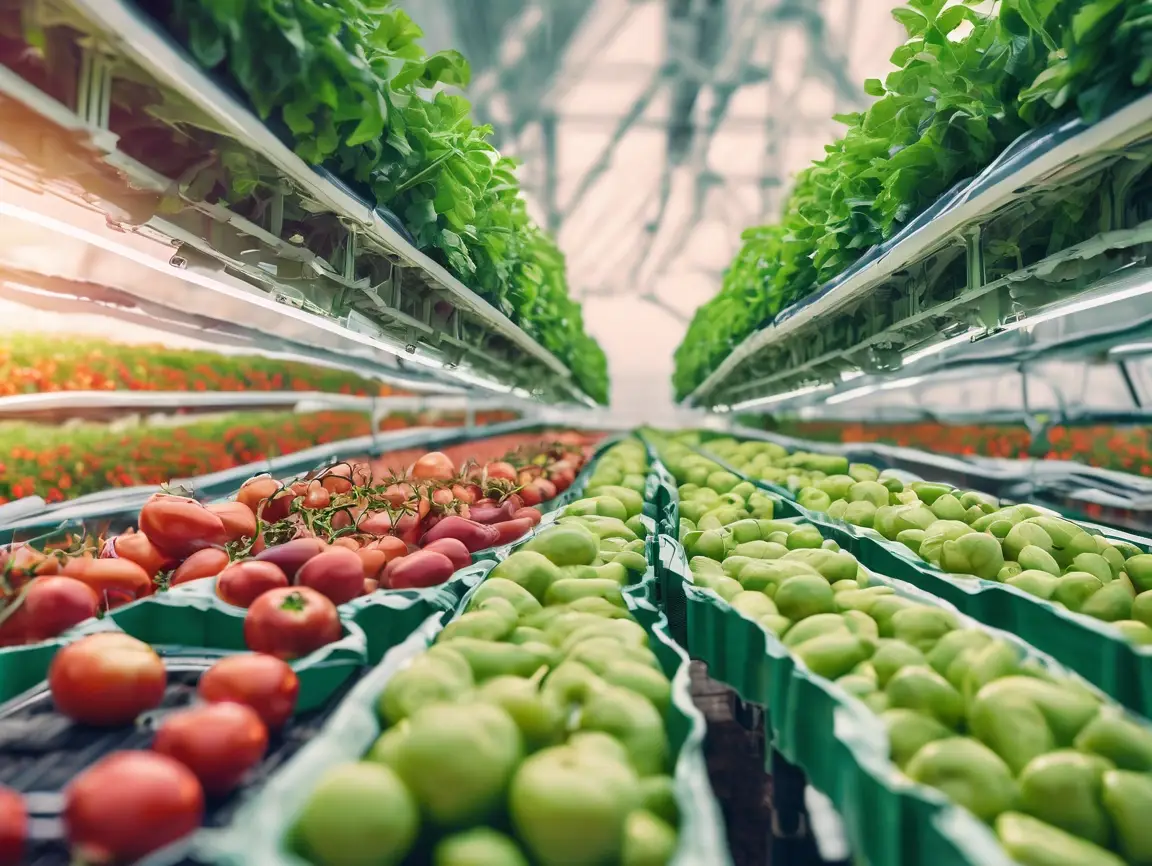
Vertical Farming and Hydroponics
Modern farming techniques include:
- Vertically stacked growing systems
- Space-efficient urban farming
- Water-conserving hydroponic systems
- Precise nutrient control
Sustainable Farming Methods
- Permaculture systems mimicking natural ecosystems
- Renewable energy integration [Sustainable Farming Practices]
- Biodiversity promotion
- Reduced synthetic input dependency [Sustainability in AgriFoodTech]
Precision Agriculture
- GPS-guided equipment
- Drone monitoring systems
- Satellite imaging technology
- Field sensor networks [Agriculture Production Decisions Guide]
Technological Advancements Driving Innovation
Artificial Intelligence and Machine Learning
- Predictive analytics for demand forecasting
- Smart inventory management
- Risk assessment tools
- Automated decision-making systems
Big Data Analytics
- Consumer behavior analysis
- Market trend prediction
- Production optimization
- Resource allocation improvement
Drone and GIS Technology
- Aerial crop monitoring
- Disease detection
- Irrigation management
- Spatial data analysis
Impact on Efficiency and Sustainability
Waste Reduction and Yield Improvement
- Precise resource management
- Early issue detection
- Optimized harvest timing
- Reduced product loss
Environmental Benefits
- Decreased chemical usage
- Lower carbon emissions
- Sustainable packaging solutions
- Improved resource efficiency
Economic Advantages
- Reduced operational costs
- Improved product quality
- Higher market prices
- Better profit margins
[Serviced Supply Chain Initiative]
Future Trends in Horticulture Supply Chains
Emerging Technologies
- Advanced AI systems
- Satellite data integration
- Enhanced automation
- Improved sensor technology
Industry Challenges
- Technology standardization needs
- Cybersecurity concerns
- Worker training requirements
- Traditional practice adaptation
Take the Next Step
If you’re ready to advance your career in food and agribusiness:
Explore Avila University’s Agribusiness Certificate Programs
Identify the certificate that aligns with your career stage
Connect with admissions advisors to plan your learning pathway
Learn more:
https://www.avila.edu/avila-agribusiness-programs/
Take Action
- Explore implementing IoT solutions in your operations
- Investigate sustainable farming practices
- Consider adopting precision agriculture techniques
- Stay informed about emerging technologies
Share your experiences with supply chain innovations in the comments below, and connect with other industry professionals to discuss these transformative changes.
For more information, explore these valuable resources: