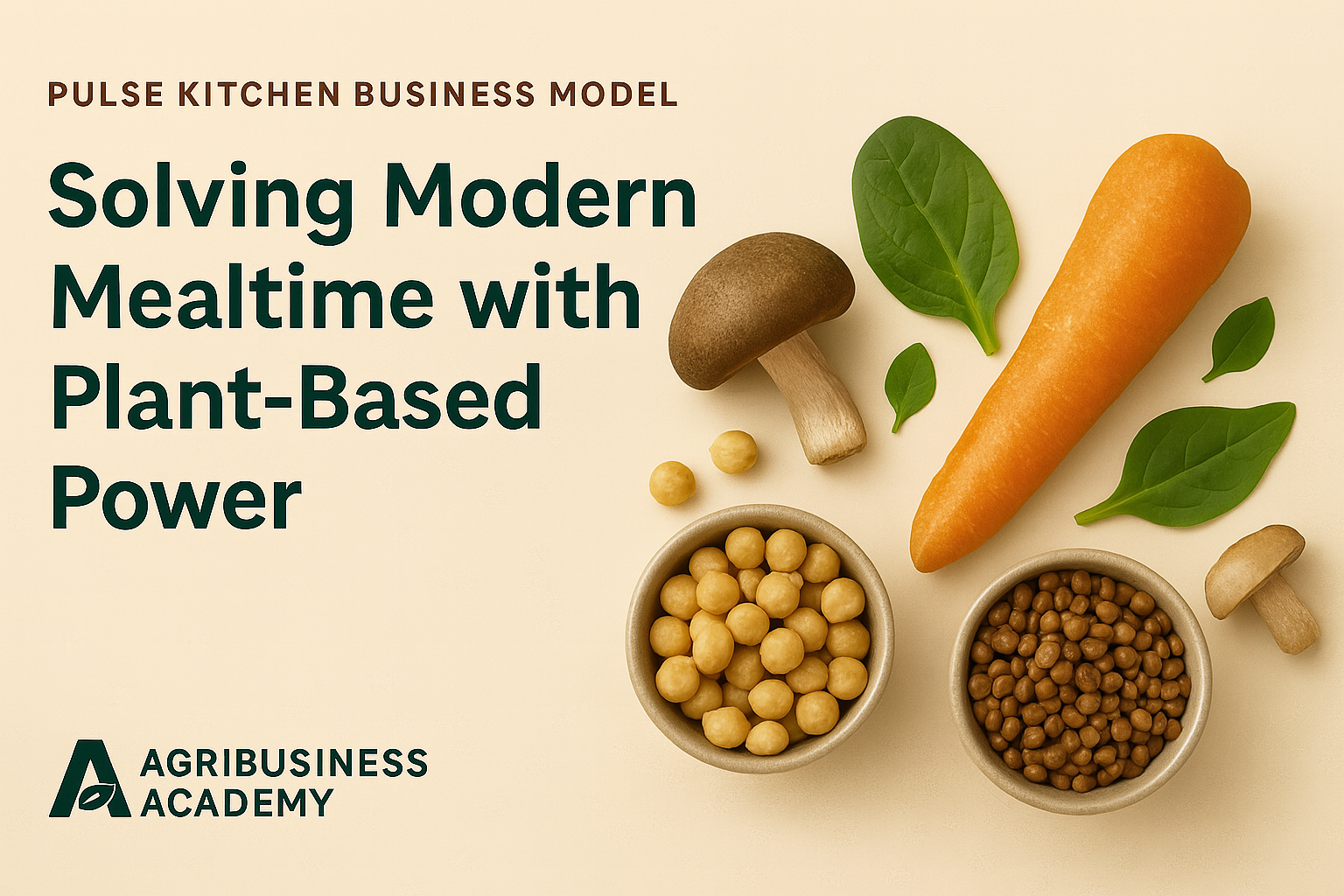
Pulse Kitchen Business Model: Solving Modern Mealtime with Plant-Based Power
The Pulse Kitchen Journey: From Kitchen Table to Market Trend
Sometimes, the biggest food revolutions begin in humble home kitchens. Pulse Kitchen’s origin is rooted in a passionate team’s mission: make every meal both healthy and sustainable without sacrificing taste or convenience. Recognizing how busy lifestyles force many to choose between nutrition and flavor, they set out to bridge this divide with a product that’s as good for you as it is for the planet.
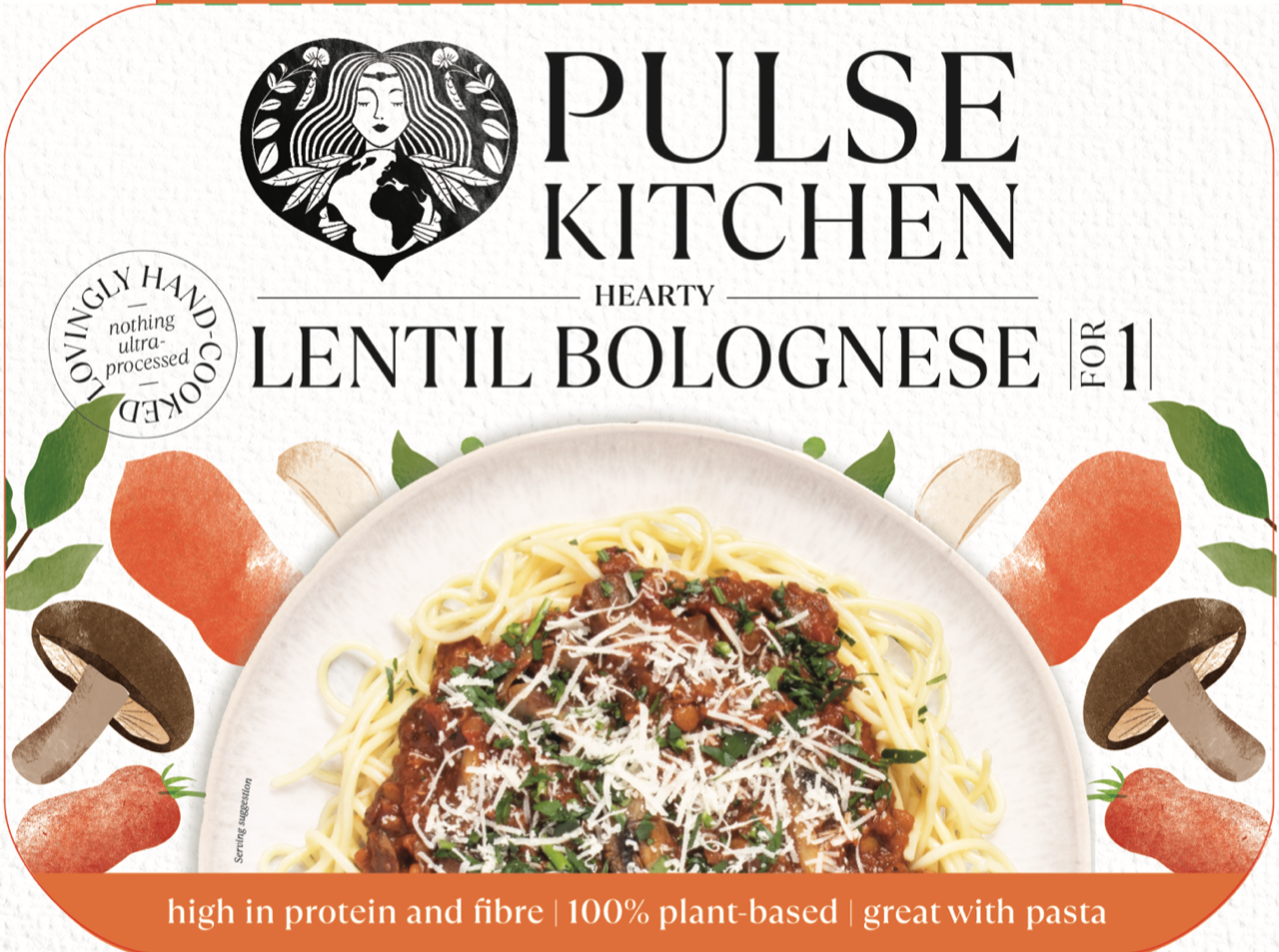
Before Pulse Kitchen, ready meals, even those billed as “healthy,” often relied on ultra-processed ingredients or animal protein. Yet, pulses—beans, lentils, peas—have nourished civilizations for centuries, celebrated across cultures for their dense nutrition, affordability, and minimal ecological footprint. Pulse Kitchen’s founders saw the potential to make pulses the centerpiece of modern meals, using them as a base for chef-developed, crave-worthy dishes.
In the current food landscape, global consumers are shifting dramatically: flexitarians, vegetarians, and health-focused individuals are all looking for options that align with their wellness and environmental values. The “protein-conscious” shopper scrutinizes both ingredients and carbon footprints. Meanwhile, food professionals—from chefs to caterers—face mounting demand for plant-based, clean-label menu items that don’t add complexity or cost.
The market potential is enormous. As sustainability concerns rise, demand for plant-powered, ready-to-eat foods is skyrocketing. Pulse Kitchen is positioned at this intersection, serving home cooks and commercial kitchens with genuinely healthy, easily adaptable meal bases, delivered conveniently. The company’s expansion in the UK and its eye on partnerships with food service providers shows a savvy understanding of both market needs and future opportunities.
Introducing the Institute of Food and Agribusiness Leadership (IFAL) Business Model Framework
Pulse Kitchen’s business model potential can be assessed around four critical elements:
Value Proposition: Defines the core customer/consumer segment and the key product/service attributes that segment pays for.
Distribution Strategy: Explains the revenue model and the channels through which products reach the target segment.
Complementary Partnerships: Highlights crucial alliances that support scale, R&D, and optimal delivery.
Sustainability Elements: Reviews the economic, social, and environmental outcomes embedded in the business model.
🎯 Target Segment & Value Proposition
Pulse Kitchen targets two primary groups:
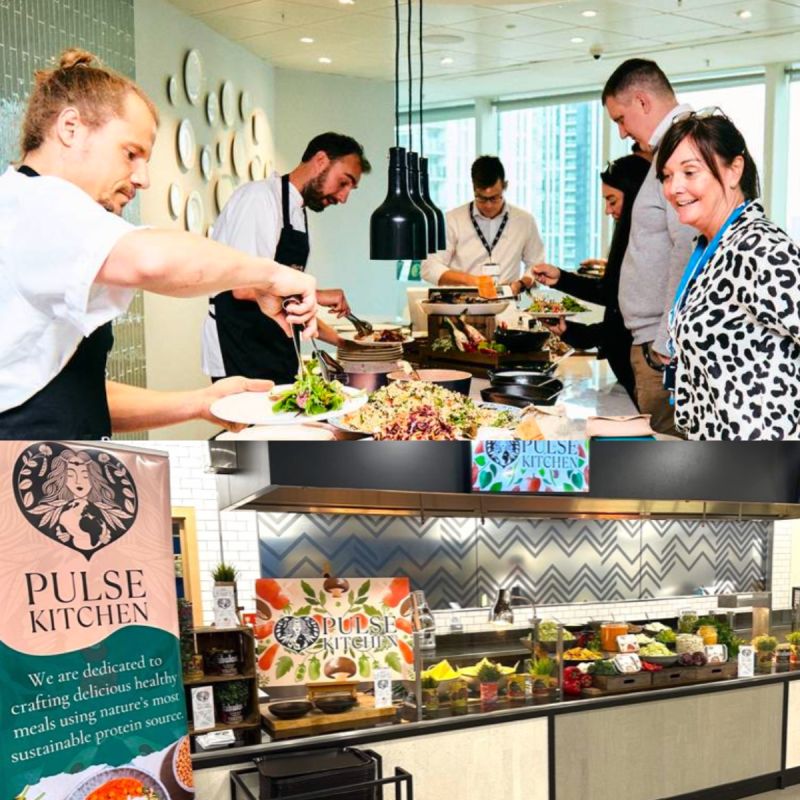
Health-conscious consumers (ages 25–55): Urban professionals, busy families, and flexitarians searching for convenient, genuinely nutritious meals.
Food professionals: Restaurants, kitchens, and caterers eager to offer vibrant, plant-based options without increasing kitchen complexity.
Why They Pay
Pure Plant Power: 100% plant-based, protein- and fiber-rich, free from additives and ultra-processing.
Real Food Convenience: Meal bases save time, reduce planning stress, and transform humble ingredients into standout meals.
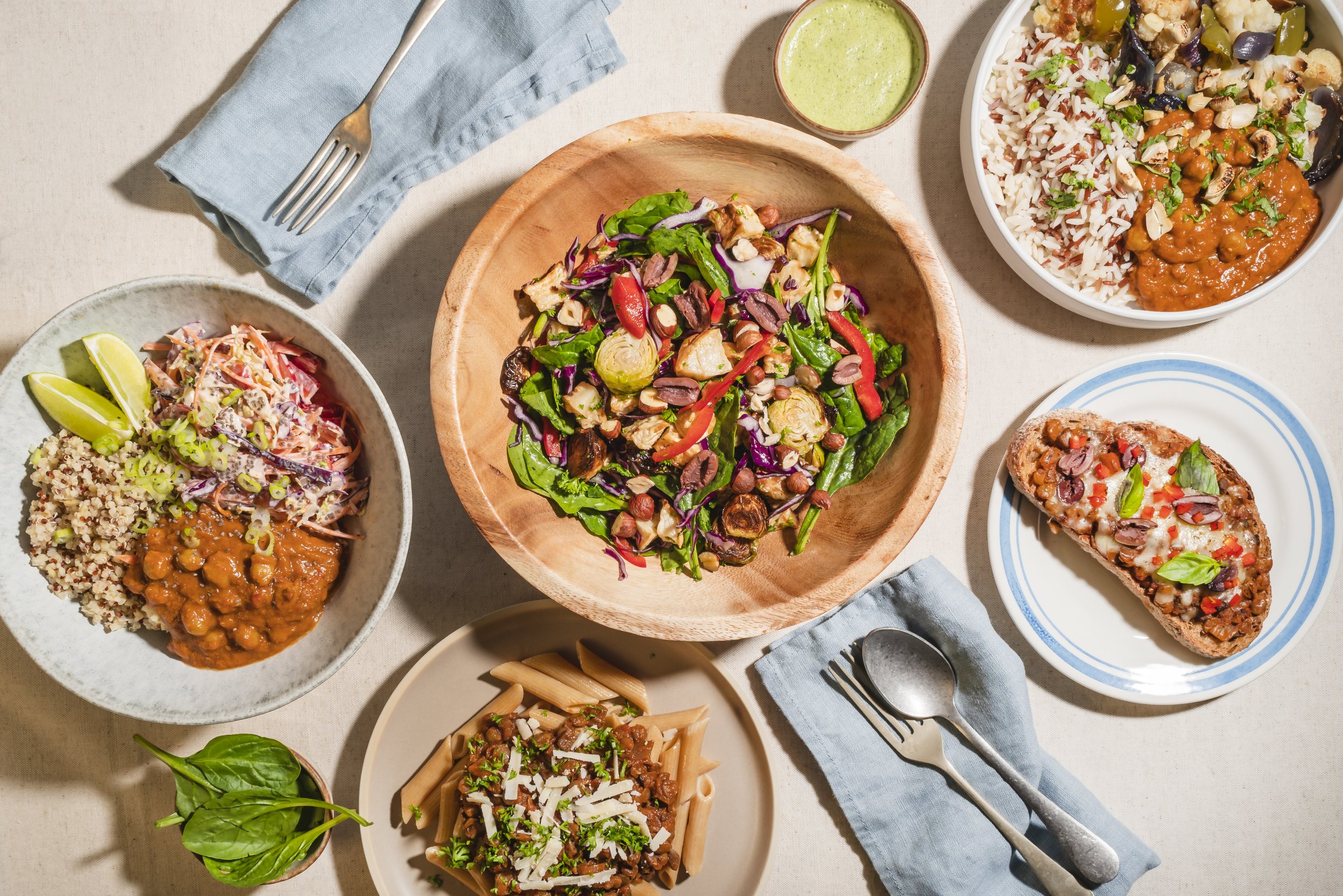
Taste and Versatility: Chef-developed recipes encourage personalization and fit a wide range of eating styles.
Environmental & Ethical Assurance: Customers support food that nourishes both people and the planet, appealing to deeper values than taste alone.
By combining genuine “real food” values with exquisite flavor and absolute convenience, Pulse Kitchen fills a gap that few others address—it’s not just plant-based, but delicious, flexible, and easy to use in home or commercial kitchens.
🛒 Distribution Strategy
Pulse Kitchen operates a hybrid approach:
Direct-to-Consumer: Online ordering and UK-wide delivery mean that busy shoppers can access meal bases quickly. Social channels offer ongoing inspiration and brand engagement.
Food Service Partnerships: Professional kitchens, from restaurants to catering firms, can order in bulk, integrating meal bases as the backbone for innovative plant-powered menus.
Collaborations & Pilots: Pop-up chef events, recipe collaborations, and partnership pilots drive awareness and function as R&D testbeds.
Looking forward, there’s clear potential for expansion into retail grocery channels, global B2B food service, and digital meal-planning apps to support further growth.
🤝 Complementary Partnerships
Producer and Supplier Networks: Pulse Kitchen partners with family-run and local ingredient suppliers, ensuring traceability and community economic benefit.
Chef and Culinary Advisors: Regular collaborations with chefs and nutrition experts help develop new products and creative menu solutions.
Hospitality and Distribution Partners: Extending reach through hotels, delivery services, and institutional kitchens.
Advocacy Groups: Collaboration with sustainability, food-waste, and healthy eating organizations strengthens brand reputation and mission alignment.
Such connections amplify impact, underpin innovation, and allow Pulse Kitchen to scale with authenticity.
🌎 Sustainability at the Core of the Business Model
Pulse Kitchen’s model doesn’t just nod to sustainability—it makes it the hero ingredient:
Environmental: Pulses are low-impact protein sources that enrich soil, require less water, and generate fewer emissions than animal proteins. Plant-powered meal bases lower the carbon footprint of every plate.
Social: By democratizing access to nutritious, affordable eating and nurturing small supplier partnerships, Pulse Kitchen strengthens local food economies and public health.
Economic: The model helps home cooks and professional kitchens serve “good food, done right,” reducing waste and encouraging resilient, less resource-intensive food systems.
Sustainability at Pulse Kitchen means business success goes hand-in-hand with environmental advocacy and social value creation.
AI Readiness Assessment for Pulse Kitchen
Pulse Kitchen’s digital footprint—vibrant website, active social channels, direct consumer touchpoints—reveals clear readiness for AI-driven business development. Their integrated online presence is primed for advanced marketing automation, customer analytics, and smart content generation. However, significant headroom remains:
Content marketing stands to gain from automated social posting, dynamic recommendations, and targeted SEO strategies.
B2B lead generation could be supercharged by AI segmentation, automated proposal generation, and rapid lead qualification.
Customer Engagement: Chatbots and virtual assistants can offer personalized help, increasing conversion and loyalty.
Based on market best practices and the trajectory of other food innovators, AI integration can lower acquisition costs, boost rapid experimentation, and create more tailored experiences—all without adding team headcount or stress. The B2B opportunity, particularly in food service, makes AI ideal for automating outreach, follow-up, and nurturing relationships.
Leveraging AI for Process Efficiency, Value Creation, and Delivery
Food innovation leaders are already harnessing AI for efficiency and customer delight. For Pulse Kitchen, the following applications are especially relevant:
Smart Inventory & Supply Chain Management: Machine learning can accurately forecast demand, reduce ingredient waste, and ensure seamless ingredient replenishment.
Hyper-Personalized Marketing: AI can segment audiences, recommend tailored offers or recipes, and analyze purchase behavior to drive repeat rates.
Accelerated R&D: Predictive analytics spot emerging ingredient and menu trends, enabling faster development of new meal bases.
Operational Uplift: Automation in manufacturing planning, compliance, and logistics slashes manual workloads and preserves consistent quality.
As demonstrated by leading meal kit and plant-based brands, these AI applications are now public standards for competitive, efficient food operations.
Relevance of AI Agents for Business Development
Three specialized AI agents can immediately elevate Pulse Kitchen’s business development impact:
📰 Content Lead Agent
What it does: Automates SEO blog creation, curates customer stories, and highlights nutrition facts across campaigns.
Business Impact: Increases inbound leads, cements authority in sustainable, plant-based eating, and frees the team from content production bottlenecks.
📣 Content Marketing Agent
What it does: Manages social posts, personalizes email sequences, and amplifies top-performing recipes or testimonials.
Business Impact: Deepens brand trust, extends engagement on multiple platforms, and uses analytics to optimize campaigns—without enlarging the team.
🤖 Lead Generation & RFP Agent
What it does: Identifies new B2B opportunities, automates tailored proposals to restaurants and distributors, and filters top leads for speedy follow-up.
Business Impact: Powers scalable partnerships and foodservice expansion, cutting time-to-close and enabling growth without increased hiring.
Together, these agentic solutions offer Pulse Kitchen an integrated path for scaling customer acquisition, maximizing marketing returns, and supporting sustained, profitable growth.
Key Takeaways
Pulse Kitchen is revolutionizing ready meals with sustainable, flavorful, plant-based bases—a real solution for modern eaters and food professionals.
Their business model stands apart for prioritizing health, convenience, flexible distribution, and measurable sustainability.
With strong digital assets, Pulse Kitchen is prepared to harness AI for automated marketing, smarter lead generation, and rapid innovation.
Specialized AI agents can substantially boost efficiency, orchestrate personalized journeys, and unlock new B2B opportunities.
Plant-forward brands like Pulse Kitchen are not just meeting consumer demand—they’re shaping a food future that’s healthier for people and the planet.
Ready to become a leader in sustainable food systems?
Take the Next Step
If you’re ready to advance your career in food and agribusiness:
Explore Avila University’s Agribusiness Certificate Programs
Identify the certificate that aligns with your career stage
Connect with admissions advisors to plan your learning pathway
Learn more:
https://www.avila.edu/avila-agribusiness-programs/
Disclaimer:
The above business model analysis is presented strictly within the IFAL analytical framework and is intended solely for educational purposes. While every effort has been made to provide a comprehensive perspective, this narrative may not capture the full depth or nuance of Pulse Kitchen’s business operations or strategies. It should not be construed as an official or exhaustive evaluation. Readers, professionals, and stakeholders are encouraged to engage, question, and debate this analysis to further enrich the collective understanding of sustainable food business models.