Starting a Poultry Venture? Learn from These 4 Innovative Models
From nutrition to traceability, emerging poultry models are transforming how we think about food systems. Here’s how four bold enterprises are redefining poultry — and why this matters if you’re looking to build a career in sustainable agribusiness.
 Why Should You Care About Poultry?
Poultry is no longer just about broiler numbers or egg trays. It’s about:
Healthy protein access for growing populations
New opportunities for smallholder integration
Transparent and sustainable business models
For professionals and entrepreneurs entering the agri-food space, poultry offers an accessible, fast-moving, and innovation-ready value chain.
And that’s exactly the kind of system thinking our Mini MBA in Sustainable Food Supply Chains is designed to develop.
You’ll see how businesses win — not just by producing, but by creating value through design, branding, and partnerships.
Let’s explore some real-world models shaping the future of poultry.
 What’s Changing in Poultry Value Chains?
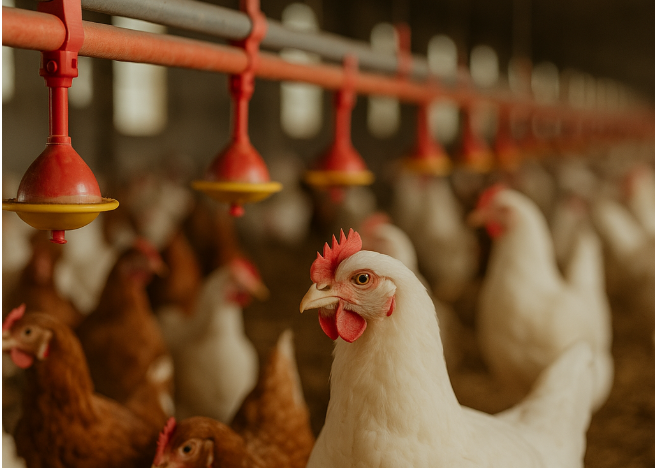
In traditional settings, poultry has been treated like a commodity: scale it fast, sell it cheap. But new businesses are flipping that logic.
Today’s leading poultry brands are:
Focusing on health and safety
Targeting specific customer segments (chefs, health-conscious families)
Building trust with technology and traceability
Creating business models around partnerships, not just production
These changes open up roles in sustainability, operations, digital agriculture, branding — all of which require an evolved skillset.
 4 Models Rethinking the Poultry Business
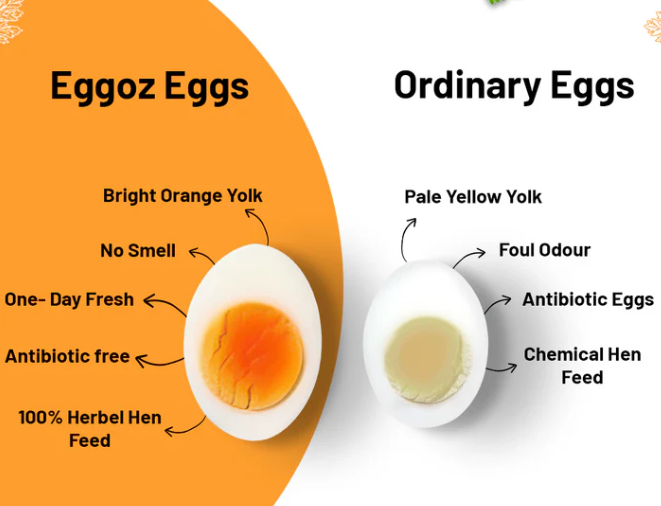
 Eggoz Nutrition (India): Redefining Eggs as a Clean Label Health Product
What They Offer:
Fresh, chemical-free, farm-to-urban eggs from smallholder farmers, delivered with safety and nutritional assurance.
How They Work:
Partner with rural poultry farmers.
Support farmers with vet care, nutrition planning, and tech tools.
Use branding and cold-chain logistics to reach urban consumers via D2C and retail.
What’s Sustainable:
Reduces food waste with quality controls.
Increases farmer incomes.
Meets urban demand for traceable, protein-rich food.
Lesson for you: A simple product like eggs can become a differentiated brand with the right partnerships and value chain model — a topic we unpack in the Mini MBA.
 Darag Native Chicken Cooperatives (Philippines): Building Community-Based Premium Poultry
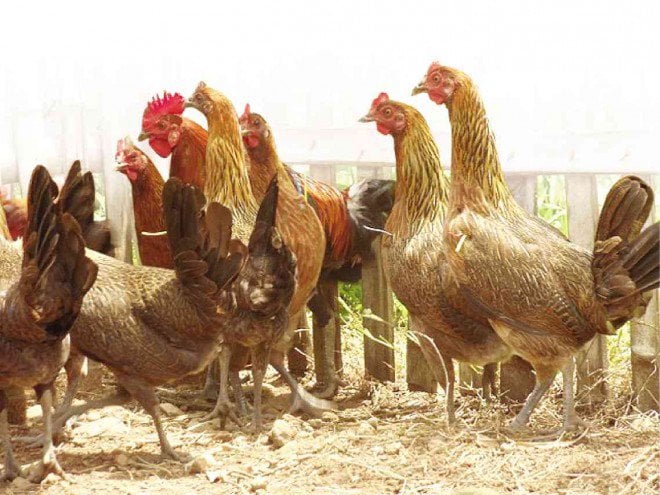
What They Offer:
Native, slow-growing Darag chickens, prized for their flavor and cultural value, raised without antibiotics and marketed through structured cooperatives.
How They Work:
Collaborate with rural farming communities across Iloilo, Guimaras, and other parts of Western Visayas.
Supported by the Department of Agriculture, local universities, and NGOs for training, breed preservation, and cooperative management.
Sell through government hubs, online retail, restaurants, and provincial trade fairs.
What’s Sustainable:
Supports native biodiversity and slow-breed conservation.
Creates dignified rural employment through cooperative structures.
Promotes ethical farming with premium pricing for producers.
Lesson for you: A traditional breed can be transformed into a high-value market offering when backed by cooperative governance, stakeholder partnerships, and clear product positioning — all part of the systems thinking we build through the Mini MBA.
 Aurum Poultry Co. (Australia): Designed for Chefs, Not Just Consumers

What They Offer:
Ethically raised, chef-grade poultry and heritage birds tailored for fine dining and foodservice professionals.
How They Work:
Focus on culinary quality and breed characteristics.
Distribute through a chef-focused e-commerce platform.
Customize offerings based on seasonal menus and kitchen needs.
What’s Sustainable:
Slower growth cycles reduce stress and improve welfare.
Minimal use of chemicals or hormones.
Local production reduces food miles.
 GoGoChicken (China): Using Blockchain to Build Consumer Trust
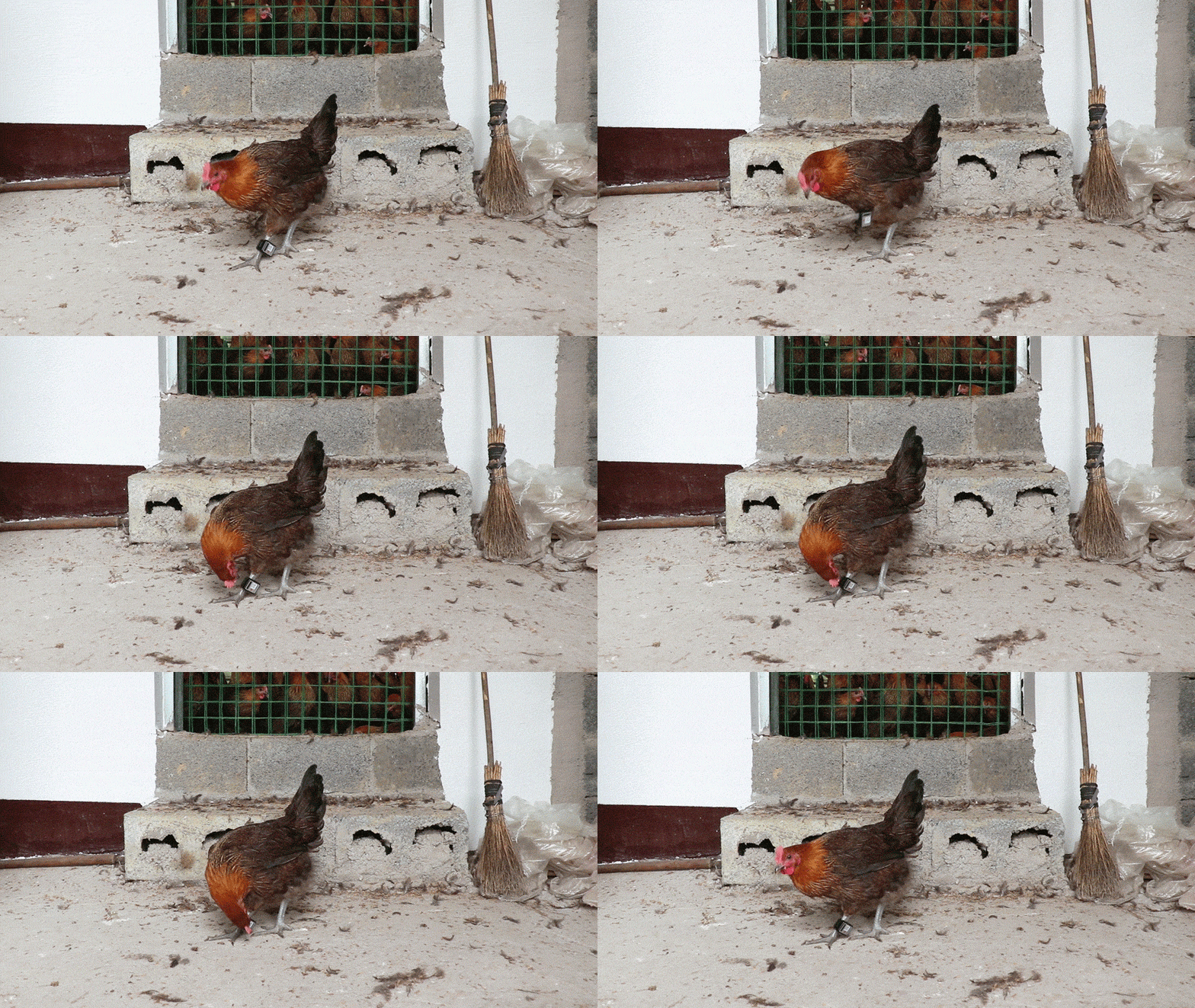
What They Offer:
Each chicken comes with a digital identity — consumers scan a QR code to view the bird’s feed, vaccination, and growth timeline.
How They Work:
Track chickens from birth to slaughter using blockchain.
Allow buyers to verify rearing conditions.
Partner with farmers and regulators to enforce standards.
What’s Sustainable:
Transparency builds consumer trust and food safety.
Premium pricing for verified clean poultry.
Encourages ethical treatment and regulation compliance.
 Why These Models Matter (And Why You Should Study Them)
Each of these businesses has rethought the poultry value chain not just to produce food — but to create value across stakeholders:
| Focus Area | What They Did Differently |
|---|---|
| Health & Safety | Eggoz and Kroodi emphasized clean feed and rearing. |
| Customer-Centricity | Aurum tailored products for chefs, not just retail. |
| Transparency | GoGoChicken built trust with traceability tech. |
| Partnership Ecosystems | All four relied on shared capabilities — not just control. |
These aren’t isolated innovations. They represent a wider shift in agri-food business thinking — one where leaders need a systems mindset, sustainability fluency, and value chain strategy.
Take the Next Step
If you’re ready to advance your career in food and agribusiness:
Explore Avila University’s Agribusiness Certificate Programs
Identify the certificate that aligns with your career stage
Connect with admissions advisors to plan your learning pathway
Learn more:
https://www.avila.edu/avila-agribusiness-programs/
 References:
[Kroodi Chicken – NGO-led value chain documentation, Philippines]

Dr. Chaitra Bharath - Author
Chaitra is a Country Director at Agribusiness Academy, passionate about building future-ready talent for food and agribusiness. She brings expertise in program delivery, soft skills, coaching, and learner engagement.