Tony’s Chocolonely and the Sweet Revolution of Sustainable Chocolate
The Bitter Reality Behind Cocoa: Sustainability Challenges in the Value Chain
Cocoa is the lifeblood of the global chocolate industry—but the value chain that brings it from bean to bar is riddled with problems. Despite the global cocoa market being valued at over $15 billion, most cocoa farmers live below the poverty line. The West African region, particularly Ghana and Côte d’Ivoire, supplies about 60% of the world’s cocoa, yet child labor, deforestation, unfair wages, and opaque supply chains remain rampant.
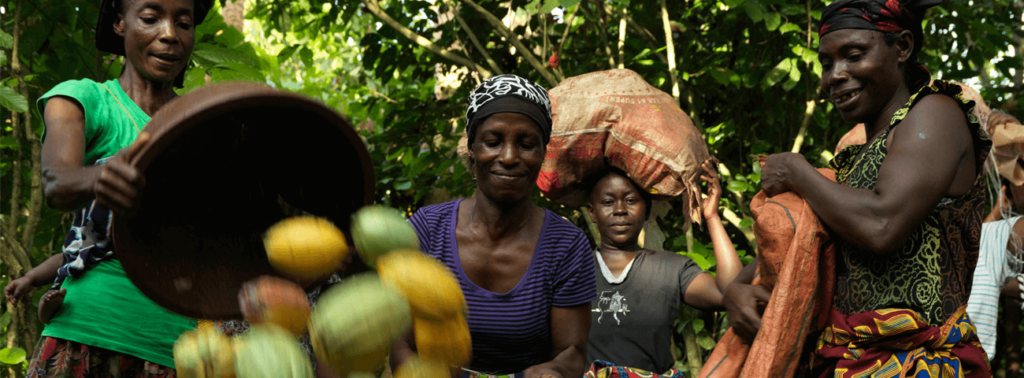
These sustainability challenges boil down to:
- Poverty among cocoa farmers due to unequal value distribution
- Widespread child labor and lack of access to education
- Lack of transparency in sourcing and middlemen exploitation
- Environmental degradation from unsustainable farming practices
This bitter truth sparked the founding of one of the most daring chocolate brands of our time—Tony’s Chocolonely.
If you’re passionate about creating ethical, sustainable, and profitable food businesses, explore our Mini MBA in Sustainable Food Value Chains—a hands-on, industry-relevant program designed to help professionals and entrepreneurs like you.The Birth of a Chocolate Activist: Tony’s Chocolonely Story

In 2003, Dutch journalist Teun van de Keuken launched a crusade against the slavery underpinning the chocolate industry. When he discovered that most major chocolate companies were profiting from forced labor and child exploitation, he took an unusual step: he ate chocolate bars on live television and turned himself in to the police for knowingly consuming slave-made goods.
This bold act led to the founding of Tony’s Chocolonely in 2005 with one audacious mission: make 100% slave-free chocolate the norm.
From the beginning, Tony’s was not just a chocolate brand—it was a movement. It set out to challenge the status quo by proving that chocolate could be delicious, profitable, and ethical.
Turning Ethics Into Action: How Tony’s Tackles Sustainability Challenges
Tony’s Chocolonely developed a five-principle roadmap to build a fairer cocoa supply chain:
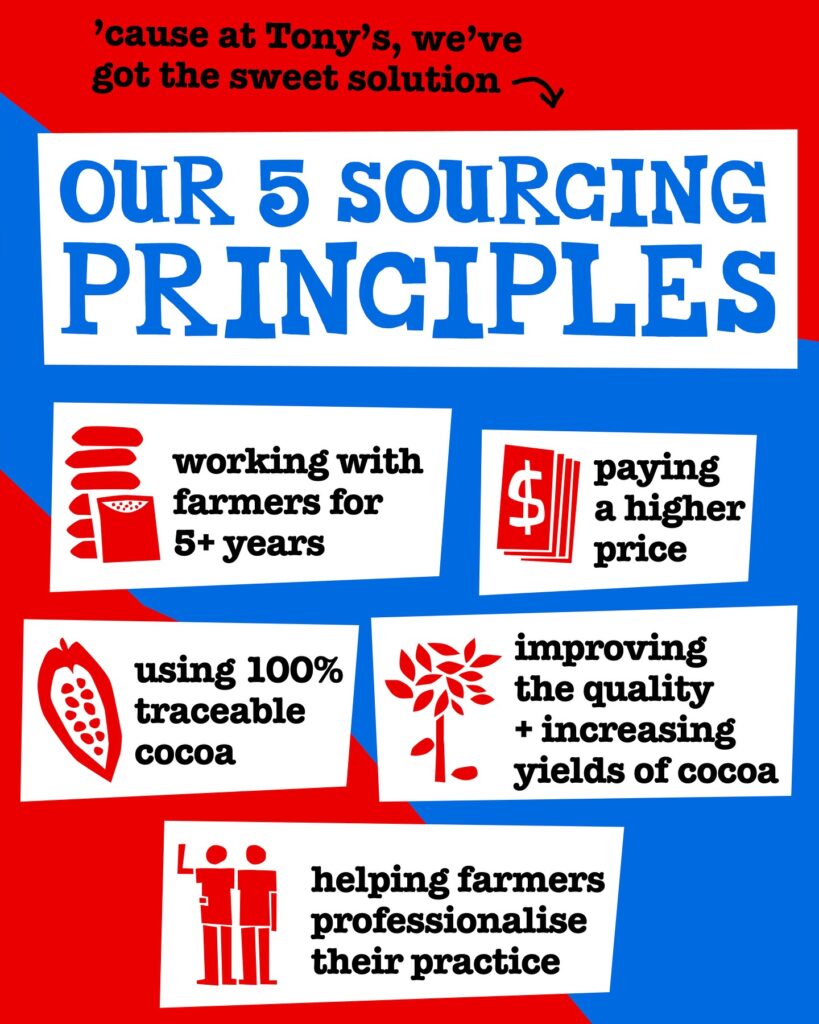
- Traceable Bean Sourcing: They work directly with farmer cooperatives in Ghana and Côte d’Ivoire, ensuring full traceability of cocoa beans.
- Paying a Living Income Reference Price: They pay above Fairtrade premiums to help farmers achieve a living income.
- Strengthening Farmer Relationships: Long-term contracts give farmers income security and incentivize sustainable practices.
- Promoting Productivity and Quality: Through training and agronomic support, they help farmers increase yields sustainably.
- Encouraging Industry Adoption: Their open-source approach shares best practices with competitors to push the entire industry toward change.
This integrated approach embeds sustainability into the DNA of their value chain—from soil to shelf.
From Bean to Brand: Building a Business Model Around Chocolate with Purpose
Tony’s Chocolonely didn’t just create a product—they created a movement with mass appeal. Their success lies in harmonizing taste, transparency, and ethics:
- Product Quality: Premium ingredients, unique flavors (like milk caramel sea salt), and chunky, unevenly divided bars that symbolize inequality in the supply chain.
- Brand Story: A bold, activist tone that challenges industry giants and educates consumers on the cocoa crisis.
- Packaging with Purpose: Every bar tells the Tony’s story, educating consumers while standing out on shelves.
Because of this authenticity, Tony’s was able to command a premium price—and consumers are happy to pay it.
Who Buys Tony’s and Where?
Tony’s Chocolonely primarily targets ethical consumers—socially conscious millennials, Gen Z shoppers, and families who value transparency and sustainability. But their appeal has broadened to the mainstream as sustainability has become a core consumer demand.
Their distribution is as thoughtful as their sourcing:
- Retail Stores: Available in major supermarkets and ethical food stores across Europe and North America.
- E-commerce: A strong online presence supports storytelling, education, and direct-to-consumer sales.
- Corporate Gifting & Partnerships: Collaborations with brands like Ben & Jerry’s and Oatly bring sustainability into new sectors.

Competing with the Chocolate Giants—and Winning
Despite competing with legacy brands like Nestlé, Mars, and Mondelez, Tony’s has carved out a niche by placing ethics at the core of profitability. They’re not just riding the sustainability wave—they’re creating it.
Their radical transparency, bold marketing, and commitment to impact have earned them cult status, especially in markets where sustainability and brand values matter.
By aligning their value proposition with the growing demand for ethical consumption, they’ve proven that doing good is good business.
The Bigger Lesson: Sustainability is the New Competitive Advantage
Tony’s Chocolonely shows that sustainability is not a trade-off—it’s a strategy for growth. Their success underscores a crucial insight for modern agribusinesses and food entrepreneurs:
To compete in today’s market, you must think beyond the product. You must solve real problems—ethically, transparently, and creatively.
Whether you’re selling cocoa, coffee, or cassava, the path to competitiveness lies in building trust, creating value for every stakeholder, and being brave enough to challenge the status quo.
Final Thoughts: From Sweet Story to Systemic Change
Tony’s Chocolonely has done more than create a popular chocolate bar—they’ve sparked a global conversation and inspired a new generation of ethical brands.
Their journey reminds us: Sustainability isn’t just a checkbox—it’s the future of food. And for those who dare to lead with purpose, the market is ready.
Want to Build the Next Sustainable Brand?
Take the Next Step
If you’re ready to advance your career in food and agribusiness:
Explore Avila University’s Agribusiness Certificate Programs
Identify the certificate that aligns with your career stage
Connect with admissions advisors to plan your learning pathway
Learn more:
https://www.avila.edu/avila-agribusiness-programs/
Key Takeaways
 The cocoa industry is facing critical sustainability challenges, from poverty to child labor. Tony’s Chocolonely was born out of activism, with a mission to create slave-free chocolate. Their five-principle sourcing model focuses on fairness, traceability, and long-term farmer partnerships. They’ve built a strong brand around taste, storytelling, and ethical production. By embedding sustainability into their core business model, they attract ethical consumers and command a premium. Competing with big players is possible when your values align with changing consumer expectations.
References
- Tony’s Chocolonely Official Website: https://tonyschocolonely.com
- World Cocoa Foundation: https://www.worldcocoafoundation.org
- Fairtrade Foundation: https://www.fairtrade.org.uk
- Statista: Global Cocoa Market Data
- Ethical Consumer Reports on Chocolate Industry
- Tony’s Annual Fair Report
- Cover image credits: Tony’s chocolonely