Agritech & Food Tech Innovations in Southeast Asia: Opportunities, Challenges & The Road Ahead
Introduction: The Food Revolution in Southeast Asia
Southeast Asia’s food industry is undergoing rapid transformation, driven by technology, climate change concerns, and evolving consumer demands. In Thailand, AI-powered rice quality inspection is improving export efficiency, while Indonesia’s aquaculture sector is leveraging IoT-based smart feeders to optimize fish farming. Meanwhile, Singapore is leading the way in cultivated meats, and biotech innovations are enhancing seed genetics, bio-fertilizers, and crop resilience.
While these advancements promise a more efficient and sustainable food system, they also come with significant challenges, such as high implementation costs, regulatory hurdles, and consumer adoption barriers.
Want to dive deeper into the future of food and agribusiness? The Mini MBA in Sustainable Food Supply Chains equips you with the knowledge and skills to navigate global food systems, sustainability challenges, and emerging innovations in agritech and food supply chains. Join today to stay ahead in the evolving food industry!
This blog explores the key innovations in agritech and food tech, examining both the opportunities and challenges that come with transforming Southeast Asia’s food industry.
1. Agritech Innovations: Smarter & More Sustainable Farming
Precision Agriculture & AI-Powered Farming
Farming in Southeast Asia is becoming more data-driven, with AI, drones, and IoT improving productivity and reducing waste.
Example: EasyRice (Thailand) – AI-Powered Rice Quality Inspection
EasyRice, an agritech startup, has developed AI-driven rice sorting technology, enabling:
Detection of impurities and defects with 95% accuracy
Increased efficiency for over 20,000 farmers and rice processors
Higher export quality, boosting revenue for Thai rice exporters
Opportunities: AI and data-driven solutions can enhance efficiency, reduce losses, and increase farm profitability.
Challenges: High setup costs and the need for farmer training are major barriers to widespread adoption.
Drones & Automation in Agriculture
Drones are revolutionizing precision farming, helping farmers monitor crops, spray pesticides efficiently, and optimize resource usage. However, the high costs of robotic harvesters and AI-driven machinery remain a concern.
Perspective on Robotic Harvesters in Southeast Asia
Globally, robotic harvesting is advancing in apples and strawberries, but its adoption in Southeast Asia’s mango, durian, and rice farms remains limited.
Potential Benefits: Reduced labor dependency, increased efficiency, minimized crop damage
Challenges: High development costs, adaptability issues, and limited infrastructure for automation
2. Biotech Innovations in Agriculture
Advanced Seed Genetics & Bio-Fertilizers
Biotech is playing a critical role in increasing crop resilience, enhancing yields, and reducing reliance on chemical fertilizers.
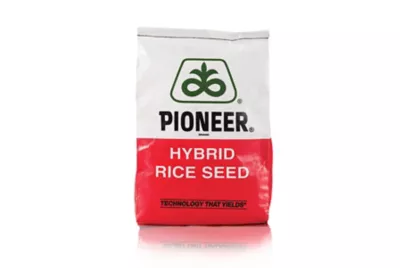
Example: Hybrid Rice Seeds in the Philippines
Corteva Agriscience has introduced hybrid rice seeds that:
Increase yields by up to 20%
Require less water, improving drought resistance
Reduce pesticide reliance with built-in pest resistance
Opportunities: Hybrid seeds and bio-fertilizers can help smallholder farmers improve productivity and climate resilience.
Challenges: Concerns over seed affordability, genetic diversity, and regulatory restrictions on biotech crops remain key issues.
Bio-Based Fertilizers & Sustainable Pest Management
Example: BioLoop (Malaysia) – Organic Fertilizers from Food Waste
BioLoop is transforming food waste into nutrient-rich organic fertilizers, reducing landfill dependency and synthetic fertilizer use.
Opportunities: Eco-friendly fertilizers can reduce soil degradation and cut carbon emissions.
Challenges: Scaling production to compete with cheaper chemical fertilizers remains a challenge.
3. Urban Farming & Controlled Environment Agriculture
Vertical Farming & Hydroponics in Cities
With land scarcity and food security concerns growing in urban centers, startups are exploring vertical farming, hydroponics, and AI-based indoor agriculture.
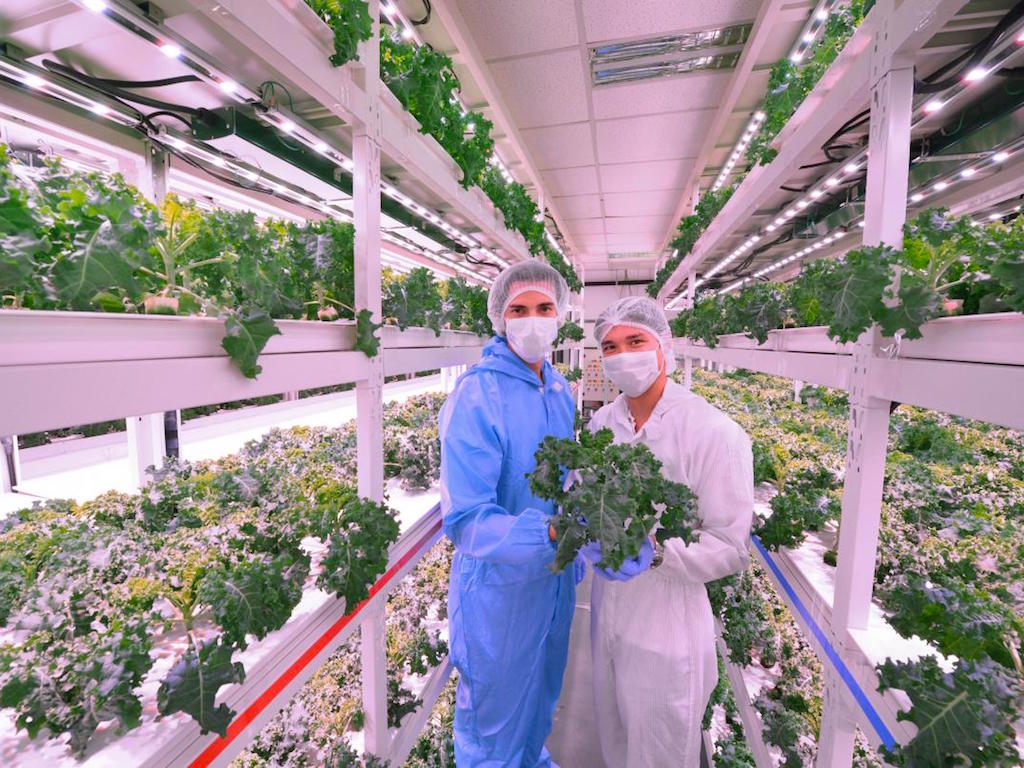
Example: Sustenir Agriculture (Singapore) – Smart Vertical Farming
Sustenir Agriculture grows high-nutrient greens using:
Climate-controlled hydroponic systems
90% less water than conventional farming
AI-powered monitoring for precision growth
Opportunities: Vertical farming improves food security and reduces reliance on imports.
Challenges: High energy costs, complex logistics, and scalability are barriers to profitability.
4. Food Tech: Alternative Proteins & Supply Chain Innovation
The Alternative Protein Movement
Plant-based and lab-grown proteins are gaining traction, but affordability and consumer acceptance remain key challenges.
Example: Green Rebel Foods (Indonesia) – Localizing Plant-Based Meats
Developing regionally inspired flavors like rendang & satay
Expanding retail partnerships across Southeast Asia
Competing with global brands by reducing costs
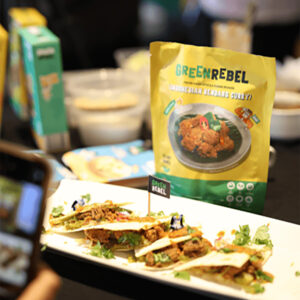
Opportunities: The alternative protein market has strong growth potential in Southeast Asia.
Challenges: Higher costs, taste adaptation, and consumer education are needed for mass adoption.
Supply Chain & Blockchain for Food Traceability
Example: DiMuto (Singapore) – Blockchain for Food Supply Chains
DiMuto enables end-to-end traceability for fresh produce exports:
Ensuring food safety compliance with international standards
Preventing fraud & reducing food loss in transit
Gaining $5.9M in Series A funding to expand operations
Opportunities: Blockchain can improve food transparency and efficiency in the supply chain.
Challenges: Widespread adoption requires infrastructure upgrades and education.
Key Takeaways & What’s Next?
Agritech Innovations Must Be Affordable – Cost-effective AI & precision agtech solutions can drive adoption among small farmers.
Biotech Will Improve Resilience – Hybrid seeds and bio-fertilizers enhance sustainability in food production.
Urban Farming is Expanding – Smart city agriculture will play a growing role in food security.
Alternative Proteins Need Localization – Affordability & culturally relevant flavors will determine success.
Blockchain for Food Safety is Scaling – Digital food traceability is gaining traction but faces adoption barriers.
The Road Ahead: Startups solving cost, infrastructure, and education barriers will shape the future of agrifood innovation in Southeast Asia.
What’s Next?
As food security and sustainability become global priorities, ASEAN nations are positioned to lead the next wave of food innovation.
Which technology do you think will have the biggest impact?
Take the Next Step
If you’re ready to advance your career in food and agribusiness:
Explore Avila University’s Agribusiness Certificate Programs
Identify the certificate that aligns with your career stage
Connect with admissions advisors to plan your learning pathway
Learn more:
https://www.avila.edu/avila-agribusiness-programs/
References & Data Sources
- AgFunderNews – Southeast Asia’s Biotech Boom
- Straits Times – Singapore’s Vertical Farming Revolution
- Tech Collective SEA – Blockchain & Alternative Proteins
- Top10 Asia – EasyRice AI-Powered Rice Sorting
- EDB Singapore – AgriFoodTech Ecosystem Report
- Cover Image by jcomp on Freepik