Investment Trends in Agribusiness: Emerging Opportunities and Future Prospects
1. Introduction: The Growing Investment Appeal of Agribusiness
Agribusiness is undergoing a profound transformation, driven by technological advancements, sustainability concerns, and evolving consumer preferences. Investors are recognizing its potential as a high-growth sector, with opportunities spanning from AgTech startups to large-scale regenerative farming projects.
The global food and agriculture market is projected to reach $10 trillion by 2050, with rising demand for sustainable and tech-driven solutions. With climate change, food security, and efficiency at the forefront, agribusiness is no longer just about farming—it’s about innovation, technology, and financial returns.
In this blog, we explore the latest investment trends in agribusiness, key sectors attracting capital, and the future outlook for investors looking to tap into this dynamic industry.
2. Market Overview: The Agribusiness Investment Landscape
Global Agribusiness Market Trends
- Agribusiness accounts for nearly 10% of global GDP, making it one of the most significant economic sectors.
- Investment in AgTech reached $29.6 billion in 2023, with expectations to rise as demand for precision agriculture, automation, and sustainable solutions grows.
- Government initiatives worldwide are fueling agribusiness innovation—through subsidies, tax incentives, and R&D funding.
Regions Leading Agribusiness Investments
- North America: Dominates AgTech funding, with the U.S. leading in venture capital investments.
- Europe: Focused on sustainable and organic farming initiatives.
- Asia-Pacific: Rising investments in food security and vertical farming.
- Africa & Latin America: Increasing funding in regenerative agriculture and supply chain improvements.
3. Top Agribusiness Investment Trends in 2025
a) AgTech & Digital Transformation
Technology is reshaping agribusiness, making farms smarter and more efficient. Investments in AgTech have skyrocketed, driven by:
- AI and Machine Learning: Optimizing crop yields, predicting weather patterns, and automating farming processes.
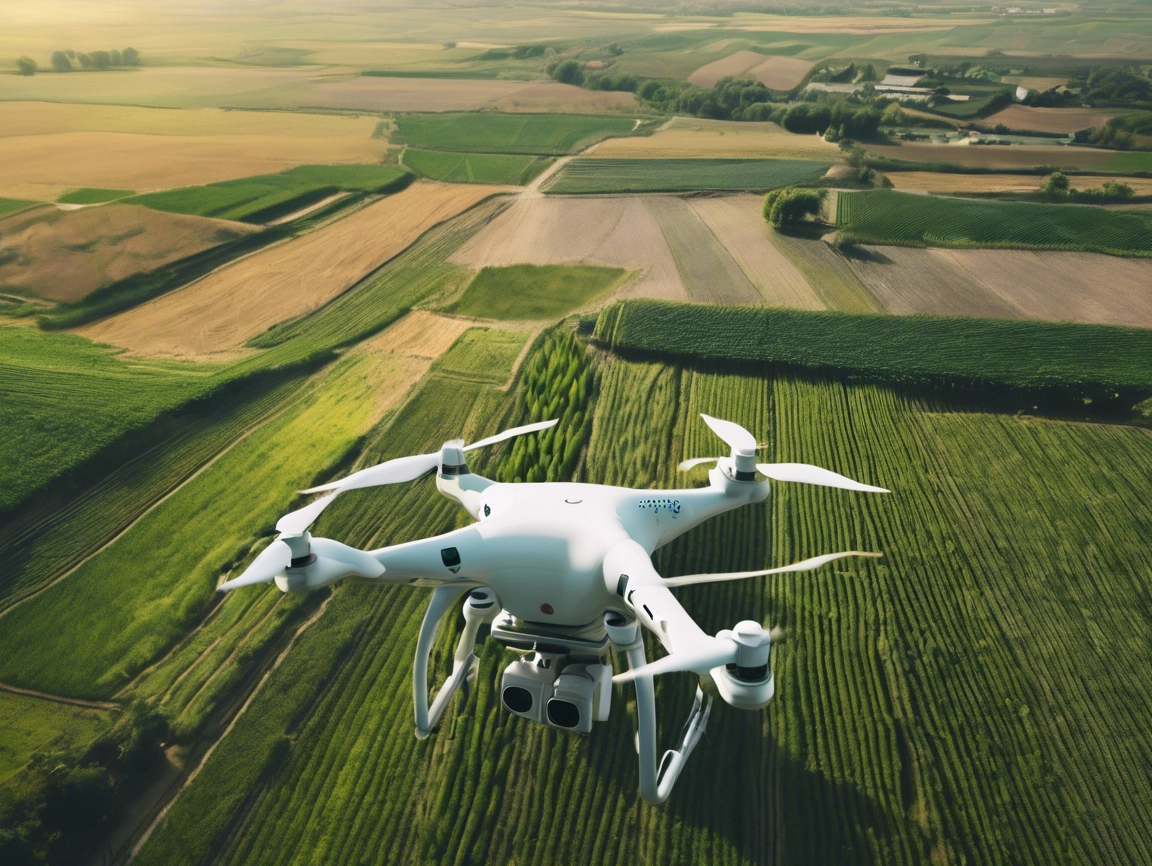
- IoT in Smart Farming: Sensors tracking soil health, moisture levels, and pest activity in real time.
- Blockchain in Agriculture: Ensuring supply chain transparency and traceability of food products.
Example: Companies like Indigo Ag and FarmWise are securing millions in funding for AI-powered farm solutions.
b) Regenerative & Sustainable Agriculture
Investors are focusing on regenerative agriculture, a practice that improves soil health while reducing carbon emissions.
Key trends include:
- Carbon Credits & Sustainability Investing: Companies are monetizing carbon sequestration through soil regeneration.
- Organic and Biodynamic Farming: Growing market demand for chemical-free and ethically produced food.
- Sustainable Inputs: Biopesticides, biofertilizers, and natural soil enhancers attracting investment.
Example: Agri-business giants like Danone and Unilever are investing heavily in regenerative farming projects.
c) Alternative Proteins & Food Tech Innovations
The global shift toward plant-based and lab-grown food is driving billions in investments into food tech. Key areas include:
- Plant-Based Proteins: Companies like Beyond Meat and Impossible Foods are raising large funding rounds.
- Lab-Grown Meat: The cellular agriculture industry is projected to be a $25 billion market by 2030.
- Fermentation-Based Food Production: Startups using microbes to create protein-rich food alternatives.
Example: Perfect Day has raised over $750 million to produce dairy-free proteins using fermentation technology.
d) Vertical Farming & Controlled Environment Agriculture (CEA)
With urbanization on the rise, investors are backing indoor farming technologies that allow for year-round food production with minimal land use. Trends include:
- Hydroponics & Aeroponics: Growing crops without soil, maximizing water efficiency.
- AI-Driven Greenhouses: Precision-controlled environments optimizing plant growth.
- Government Support: Cities like Singapore and Dubai are investing in vertical farming to ensure food security.
Example: Plenty, an indoor farming startup, secured $400 million from SoftBank and Walmart for high-tech vertical farms.
e) Agri-Fintech & Supply Chain Innovations
Investors are funding fintech solutions that empower farmers with better access to capital and markets. Key trends:
- Crowdfunding for Farmers: Platforms like Kiva allow small farmers to access microloans.
- Blockchain in Supply Chains: Ensuring traceability of food from farm to table.
- AI in Logistics: Optimizing food distribution networks, reducing food waste.
Example: Agri-fintech startup DeHaat raised $115 million to provide financing, inputs, and market linkages for farmers.
4. Investment Vehicles & Strategies in Agribusiness
Investors have multiple avenues to tap into the agribusiness boom:
- Venture Capital & Private Equity: Investing in AgTech startups with high growth potential.
- Corporate Investments & M&A: Large agribusinesses acquiring innovative companies.
- Government & Institutional Funding: Public-private partnerships to drive agricultural innovation.
- Crowdfunding & Impact Investing: Platforms connecting investors with sustainable agriculture projects.
Example: Bill Gates’ Breakthrough Energy Ventures is funding climate-smart agriculture solutions.
5. Key Challenges & Risks for Investors in Agribusiness
Despite strong growth, agribusiness investments come with risks:
- Climate Change Risks: Unpredictable weather patterns affecting yield stability.
- Regulatory Barriers: Government policies and trade restrictions impacting investments.
- Supply Chain Disruptions: Global uncertainties affecting food logistics and pricing.
Investors must adopt risk-mitigation strategies by diversifying portfolios and leveraging new technologies.
6. Future Outlook: What’s Next for Agribusiness Investments?
The future of agribusiness investment is data-driven, sustainable, and tech-focused. Key predictions:
- Increased Automation & Robotics: AI-powered farm operations will become mainstream.
- Expansion of ESG & Sustainable Investing: Climate-smart farming will attract more funding.
- Growth of Alternative Protein Industry: Market expected to reach $290 billion by 2035.
- Investment in Emerging Markets: Africa and Southeast Asia will see significant agribusiness funding growth.
Investors who enter the agribusiness sector today will be ahead of the curve in the next decade.
7. Conclusion: Why Now is the Right Time to Invest in Agribusiness
Agribusiness is at the center of global economic and environmental transformation. With rising food demand, technological advancements, and increasing sustainability investments, now is the perfect time to invest.
Take the Next Step
If you’re ready to advance your career in food and agribusiness:
Explore Avila University’s Agribusiness Certificate Programs
Identify the certificate that aligns with your career stage
Connect with admissions advisors to plan your learning pathway
Learn more:
https://www.avila.edu/avila-agribusiness-programs/