Sustainability (ESG) Reporting in Food and Agribusiness: Challenges, Best Practices & Success Stories
Introduction
Sustainability reporting in food and agribusiness has transitioned from a voluntary initiative to a strategic necessity. As climate change, ethical sourcing, and responsible food production become global priorities, businesses are under growing pressure to measure, report, and improve their Environmental, Social, and Governance (ESG) performance.
However, many food and agribusinesses—especially small and medium enterprises (SMEs)—struggle with data collection, compliance, and transparency. This article explores:
✅ Why ESG reporting matters
✅ Challenges companies face in implementation
✅ Best practices for effective ESG reporting
✅ Case studies of small startups & big agribusinesses like Cargill, Nestlé, Oatly & Tony’s Chocolonely
Why ESG Reporting Matters in Food & Agribusiness
The agrifood industry has a significant environmental footprint:
🌱 Agriculture contributes 23% of global greenhouse gas emissions
🚰 70% of global freshwater is used for farming
♻️ One-third of all food produced is wasted
Key Drivers of ESG Reporting
🔹 Regulatory Compliance: Companies must meet CSRD, SEC, TCFD, and SASB standards.
🔹 Investor & Financial Pressure: ESG-linked financing is on the rise.
🔹 Consumer Demand: 81% of global consumers prefer sustainable food brands.
🔹 Competitive Advantage: Transparent ESG reports build brand loyalty & trust.
🗣️ “Companies with strong ESG performance see 20% higher revenue growth compared to peers.” – PwC ESG Report
Challenges in ESG Reporting for Food & Agribusiness
Despite its benefits, many companies—especially SMEs—struggle with ESG reporting.
1️⃣ Data Collection & Measurement Issues
🔹 Many small farms & food processors lack digital tools to track emissions, water use, and ethical sourcing.
🔹 ESG reporting requires real-time data, which is challenging in fragmented supply chains.
💡 Solution: AI & Blockchain-based ESG tracking tools (e.g., IBM’s ESG solutions)
2️⃣ Cost & Resource Constraints
🔹 ESG compliance requires expertise, which small businesses often lack.
🔹 High costs for certifications (e.g., Fairtrade, Rainforest Alliance).
💡 Solution: Leverage government incentives and low-cost sustainability frameworks.
3️⃣ Greenwashing & Transparency Risks
🔹 Some companies exaggerate sustainability claims, damaging credibility.
🔹 Regulatory bodies are cracking down on misleading ESG disclosures.
💡 Solution: Follow GRI & SASB standards and third-party verification.
4️⃣ Regulatory Complexity & Changing Standards
🔹 ESG regulations vary by region, making compliance difficult.
🔹 SMEs often lack legal expertise to keep up with evolving requirements.
💡 Solution: Partner with ESG consultants & sustainability tech firms.
Case Studies: How Food Businesses Are Leading in ESG Reporting
🚀 Case Study 1: Cargill – Corporate Sustainability at Scale
Industry: Global Agribusiness 🌍
Challenge: Reducing emissions across its massive supply chain
ESG Strategy:
✅ Achieved 20% reduction in GHG emissions from operations (Scope 1 & 2)
✅ Targets net-zero carbon emissions by 2050
✅ Launched Cargill RegenConnect, incentivizing regenerative agriculture
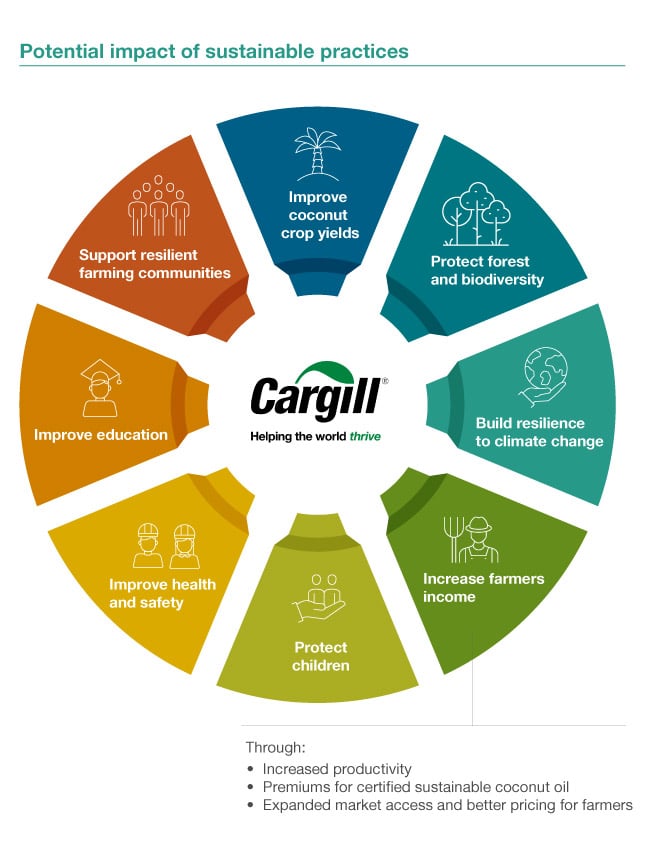
📊 Impact: Cargill’s 2024 Sustainability Report highlights supply chain transparency & climate resilience.
🔗 Cargill’s 2024 Impact Report
🚜 Case Study 2: Nestlé – ESG Leadership in Food & Beverage
Industry: Packaged Foods 🥛
Challenge: Sustainable sourcing for cocoa, dairy, and palm oil
ESG Strategy:
✅ Achieved 100% sustainable palm oil sourcing
✅ Reduced carbon footprint by 12% since 2020
✅ Pioneering sustainable dairy production models
📊 Impact: Nestlé’s Net-Zero Roadmap is setting industry benchmarks for sustainability.
🔗 Nestlé’s ESG & Sustainability Report
🥛 Case Study 3: Oatly – A Sustainability-Driven Startup
Industry: Plant-Based Dairy 🌱
Challenge: Scaling up production while maintaining sustainability
ESG Strategy:
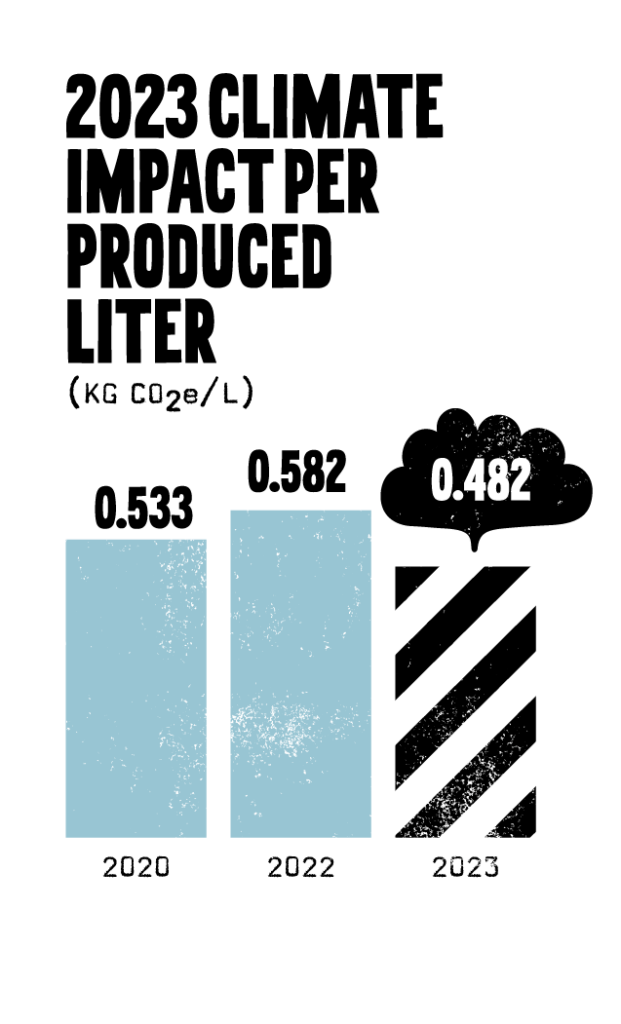
✅ Reports carbon footprint per liter of oat milk
✅ Invests in regenerative oat farming
✅ Uses GRI standards for ESG transparency
📊 Impact: Oatly is now a global leader in plant-based dairy with strong ESG credibility.
🔗 Oatly’s Sustainability Report
🍫 Case Study 4: Tony’s Chocolonely – Ethical Cocoa Sourcing
Industry: Chocolate 🍫
Challenge: Combating child labor & unethical supply chains.
ESG Strategy:
✅ Transparent cocoa supply chain tracking using blockchain
✅ Advocates for fair wages & ethical farming practices
✅ Publishes annual ESG impact reports
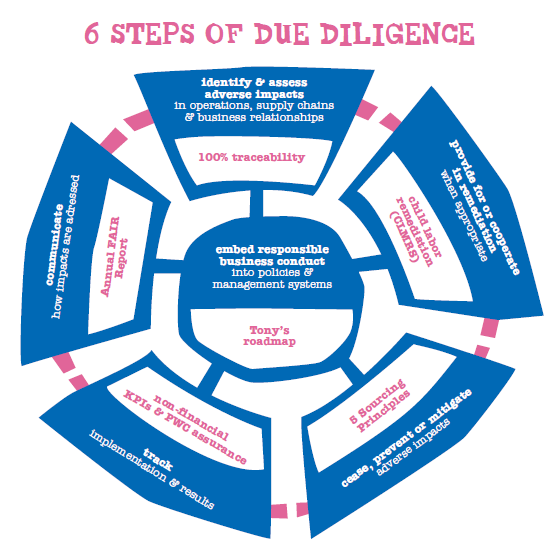
📊 Impact: The company now influences industry-wide ESG policies in the cocoa sector.
🔗 Tony’s Chocolonely’s Impact Report
🌾 Case Study 5: Nature Bio Foods – Organic Farming Startup’s ESG Journey
Industry: Organic Farming 🌿
Challenge: Competing with large food corporations on ESG while maintaining profitability
ESG Strategy:
✅ Uses low-cost carbon tracking tools to measure environmental impact
✅ Certified by Rainforest Alliance & Organic Certifications for responsible sourcing
✅ Partners with local farmers for fair-trade sourcing to promote rural development
✅ Reduces food miles & packaging waste through a localized supply chain
📊 Impact:
- Nature Bio Foods has successfully expanded into global organic markets, proving that small agribusinesses can implement effective ESG reporting.
- By promoting biodiversity & carbon sequestration, the company is a leader in regenerative organic agriculture.

Source: Naturebio Foods
🔗 Nature Bio Foods’ Sustainability Report
How Food & Agribusinesses Can Improve ESG Reporting
✅ 1️⃣ Identify Key ESG Priorities: Focus on the most material ESG issues (e.g., emissions, labor, waste).
✅ 2️⃣ Adopt the Right Reporting Framework: Use GRI, SASB, and TCFD standards for credibility.
✅ 3️⃣ Leverage Digital Tools: Use AI & blockchain for real-time ESG tracking.
✅ 4️⃣ Engage Stakeholders: Collaborate with farmers, suppliers & investors to align ESG goals.
✅ 5️⃣ Ensure Transparency: Publish annual ESG reports and avoid greenwashing.
“Transparency in ESG reporting is not just about compliance; it’s about building long-term trust with stakeholders.” – Harvard Business Review
Key Takeaways from Leading ESG Companies
📌 1️⃣ Transparency is Essential – Consumers and investors demand authentic ESG reports (e.g., Nestlé, Cargill).
📌 2️⃣ Small Businesses Can Lead Too – Startups like Oatly, Tony’s Chocolonely & Nature Bio Foods prove sustainability is profitable.
📌 3️⃣ ESG Tech is the Future – AI & blockchain enhance ESG tracking in food supply chains.
📌 4️⃣ Regulations are Getting Tougher – Companies must stay ahead of evolving global ESG standards.
Conclusion: Sustainability Reporting is No Longer Optional
Sustainability reporting in food and agribusiness is shaping the future of the industry. Companies that embrace transparent, data-driven ESG reporting will attract investors, build trust, and gain a competitive edge.
The question is not “Should you report ESG?” but rather “How quickly can you implement it?” 🚀
Take the Next Step
If you’re ready to advance your career in food and agribusiness:
Explore Avila University’s Agribusiness Certificate Programs
Identify the certificate that aligns with your career stage
Connect with admissions advisors to plan your learning pathway
Learn more:
https://www.avila.edu/avila-agribusiness-programs/
📌 Sources & Further Reading
🔹 Harvard Business Review: How Food Companies Can Measure Their Sustainability
🔹 PwC ESG Reporting Guidelines
🔹 IBM on ESG
🔹 Cargill’s 2024 Impact Report
🔹 Nestlé’s ESG Report
🔹 Oatly’s Sustainability Report
🔹 Tony’s Chocolonely’s Impact Report
🔹 Nature Bio Foods’ Sustainability Report
🔹Cover Image by redgreystock on Freepik