Business Model Design Case: Rebel Foods – A Disruptive Food Value Chain Case Study
Estimated reading time: 8 minutes
Key Takeaways
- Rebel Foods has revolutionized the traditional restaurant model through innovative cloud kitchen operations.
- The company’s multi-brand strategy and technology-driven operations have disrupted the food value chain.
- Understanding disruptive food value chains is crucial for innovation in the agribusiness sector.
- Rebel Foods’ model emphasizes cost efficiency, operational flexibility, and data-driven decision-making.
- This case study offers insights into how innovative business models can transform established industry practices.
Table of Contents
Introduction
Business model design in the agribusiness sector encompasses the strategic structuring of key business elements—from value proposition to customer segments, revenue streams, and cost structures. It’s about creating competitive advantages in the increasingly dynamic agri-food market.
Rebel Foods exemplifies this transformation perfectly. Starting as a single quick-service restaurant chain, it has evolved into the world’s largest cloud kitchen company, fundamentally changing how restaurants operate and deliver value to customers. Business of Agritech Innovation
The importance of studying such disruptive food value chain case studies cannot be overstated. They provide tangible examples of how innovative business models can transform established industry practices, offering valuable insights for others looking to innovate in the sector. FAO Report on Innovative Business Models
Understanding Disruptive Food Value Chains
A disruptive food value chain represents an innovative approach that fundamentally alters traditional methods of food production, distribution, and consumption. These disruptions often leverage technology and novel business models to create more efficient, sustainable, and consumer-centric food systems.
Key drivers of disruption in modern agribusiness include:
- Changing consumer preferences
- Technological advancements
- Growing sustainability concerns
- Need for cost efficiency
- Demand for improved food quality and safety
Innovative business models are driving these changes through:
- Integration of AI and IoT technologies (Business of Agritech Innovation)
- Creation of direct-to-consumer channels
- Implementation of sustainable practices (Sustainable Farming Practices)
- Data-driven personalization (Food & Agribusiness Trends 2024)
- Development of collaborative ecosystems (Agribusiness Value Chain Guide)
These approaches are reshaping the agribusiness landscape, making it more responsive to global challenges and consumer needs. Agriculture Business Model Transformation
Rebel Foods Case Study
Overview of Rebel Foods
Founded in 2011 by Jaydeep Barman and Kallol Banerjee, Rebel Foods has grown from a single restaurant chain (Faasos) to become a global cloud kitchen powerhouse. Current operations include:
- 450+ cloud kitchens
- Presence in 60+ cities across 10 countries
- Management of 45+ brands
- Unicorn status with $1.4 billion valuation
- Revenue of ₹557.5 crore in FY2020 (83% YoY growth)
Visit their official site: Rebel Foods
Business Model Design
Rebel Foods’ innovative approach centers on several key elements:
Multi-brand Strategy:
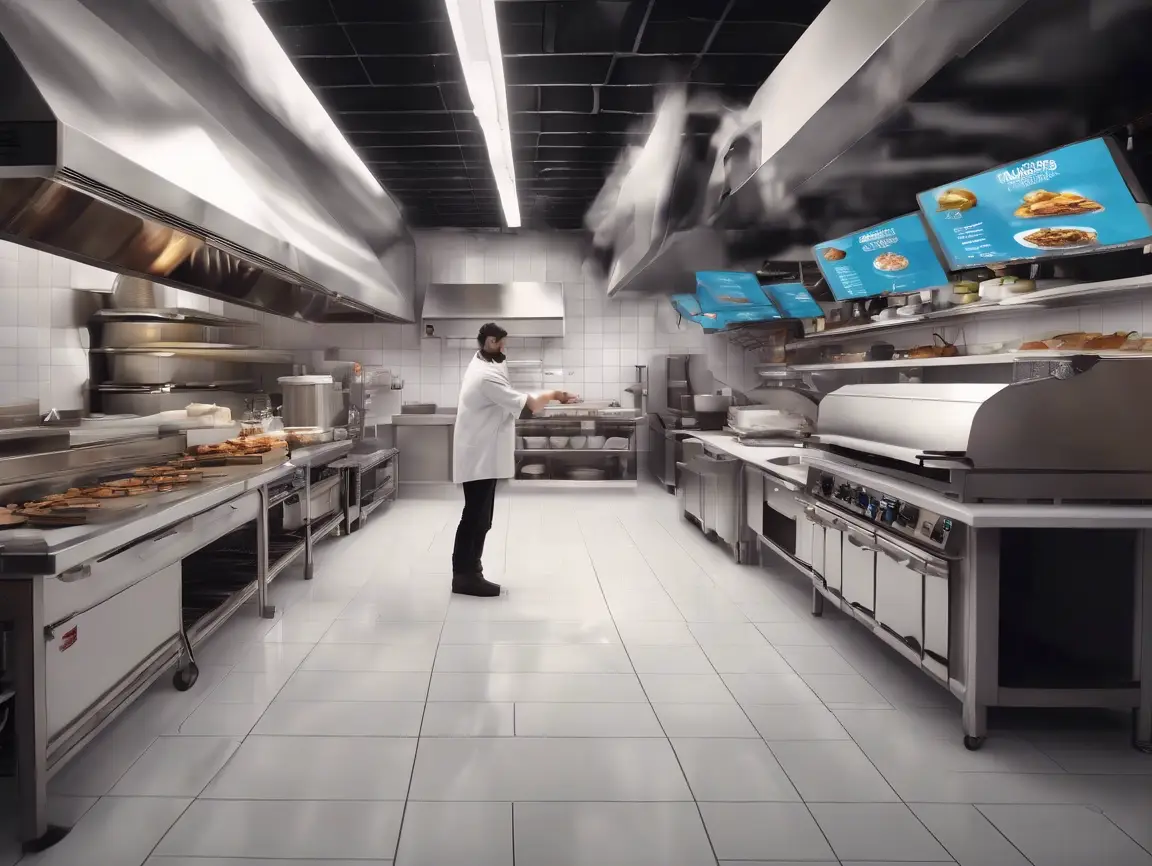
- Operating multiple virtual restaurant brands from single kitchens
- Optimizing kitchen utilization
- Diversifying revenue streams
Technology-driven Operations:
- AI-powered menu optimization
- Data analytics for demand forecasting
- Real-time quality control systems
Standardized Processes:
- Consistent food quality across locations
- Automated cooking procedures
- Centralized quality monitoring
Asset-light Model:
- Focus on delivery-only kitchens
- Reduced real estate costs
- Flexible scaling capabilities
Explore their business canvas: Rebel Foods Business Model Canvas
Impact on the Food Value Chain
Rebel Foods has redefined traditional food service by:
Operational Innovations:
- Eliminating prime location requirements
- Reducing overhead costs
- Enabling rapid menu adaptation
- Improving food safety standards (Sustainable Farming Practices)
Technology Integration:
- Cloud-based kitchen management
- Real-time monitoring systems
- Data-driven decision making (Food & Agribusiness Trends 2024)
- Automated quality control
These innovations have disrupted the traditional food value chain, making it more efficient and responsive. Read more: Business Model Innovation in the Agri-food Sector
Challenges and Lessons Learned
Despite its success, Rebel Foods has faced challenges:
- Customer Trust: Building trust without physical storefronts requires exceptional service and branding.
- Operational Complexity: Managing multiple brands and cuisines increases operational demands.
- Regulatory Compliance: Navigating food safety regulations across different regions.
- Competition: Rising competition in the cloud kitchen space necessitates continuous innovation.
Lessons Learned:
- Embrace technology for scalability.
- Focus on customer experience.
- Adapt quickly to market changes.
- Invest in brand building.
Implications for Agribusiness
Rebel Foods’ success offers valuable insights for the agribusiness sector:
- Vertical Integration: Control over the supply chain can enhance efficiency and quality.
- Data Utilization: Leveraging data analytics can optimize operations and meet consumer demands.
- Sustainability: Implementing sustainable practices appeals to environmentally conscious consumers.
- Innovation: Disruptive models can open new markets and revenue streams.
Understanding these implications can help agribusinesses adapt and thrive in a changing landscape. Learn more: Food & Agribusiness Strategy and Management
Take the Next Step
If you’re ready to advance your career in food and agribusiness:
Explore Avila University’s Agribusiness Certificate Programs
Identify the certificate that aligns with your career stage
Connect with admissions advisors to plan your learning pathway
Learn more:
https://www.avila.edu/avila-agribusiness-programs/
Frequently Asked Questions
A cloud kitchen is a restaurant that operates solely for delivery, without a physical dine-in facility. It relies on online orders through apps and websites.
How does Rebel Foods utilize technology?
Rebel Foods uses AI and data analytics for menu optimization, demand forecasting, and real-time quality control, enhancing efficiency and customer satisfaction.
What can agribusinesses learn from Rebel Foods?
Agribusinesses can learn the importance of innovation, technology integration, and agility in adapting to market changes to stay competitive.
How does the multi-brand strategy benefit Rebel Foods?
It allows them to cater to diverse customer preferences, optimize kitchen resources, and increase market reach without significant additional costs.
What are the future trends in the food value chain?
Future trends include increased digitalization, sustainability practices, direct-to-consumer models, and personalized nutrition offerings.