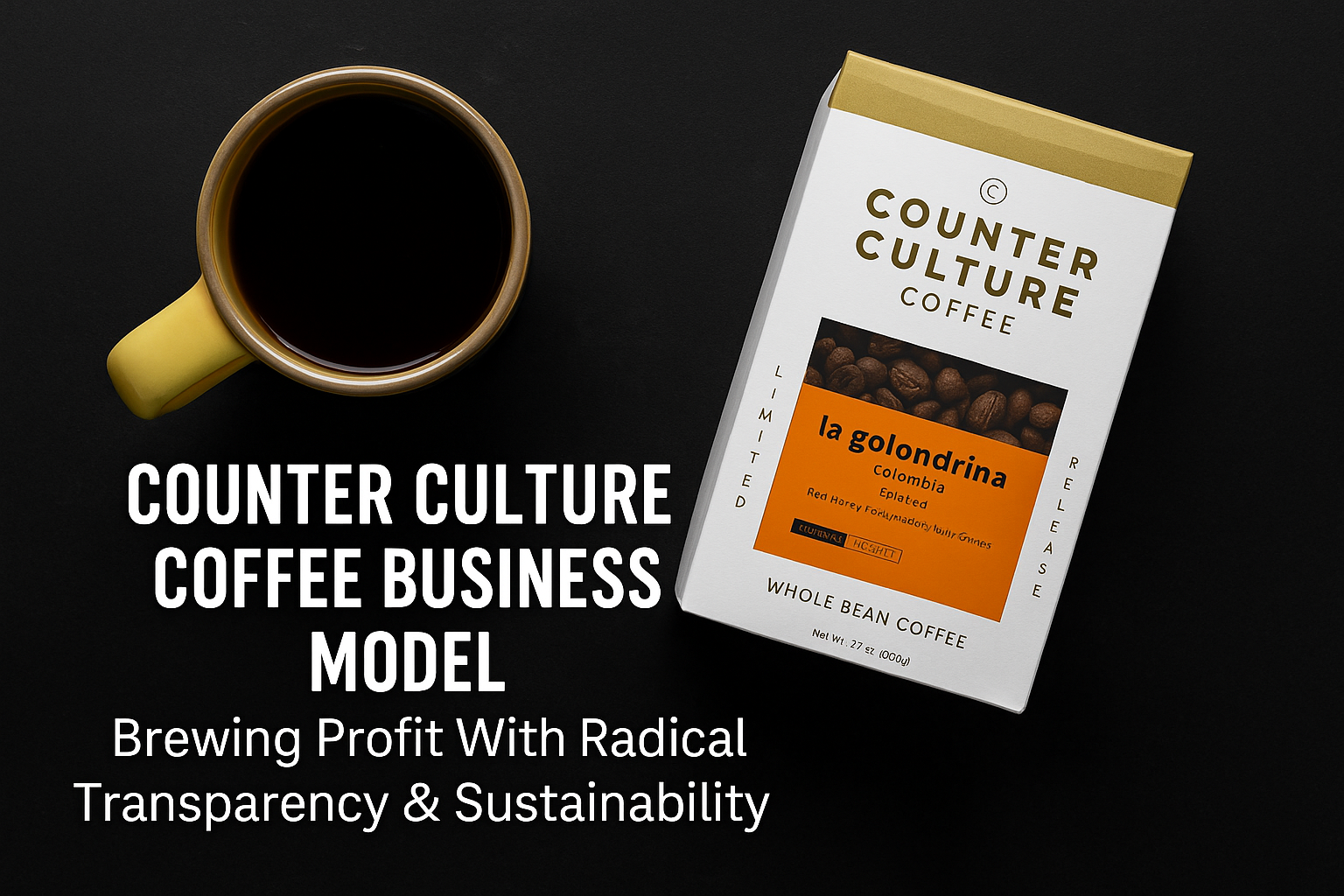
☕ Counter Culture Coffee Business Model: Brewing Profit With Radical Transparency & Sustainability
From Kitchen Table to Coffee Vanguard: The Counter Culture Coffee Story
In 1995, amidst North Carolina’s burgeoning culinary scene, Brett Smith and Fred Houk set out to reshape how Americans experience coffee. Their vision? Not just better beans or bolder flavors, but a transparent supply chain that honors both farmer and earth—a rarity when commodity coffee ruled by price, not principle.
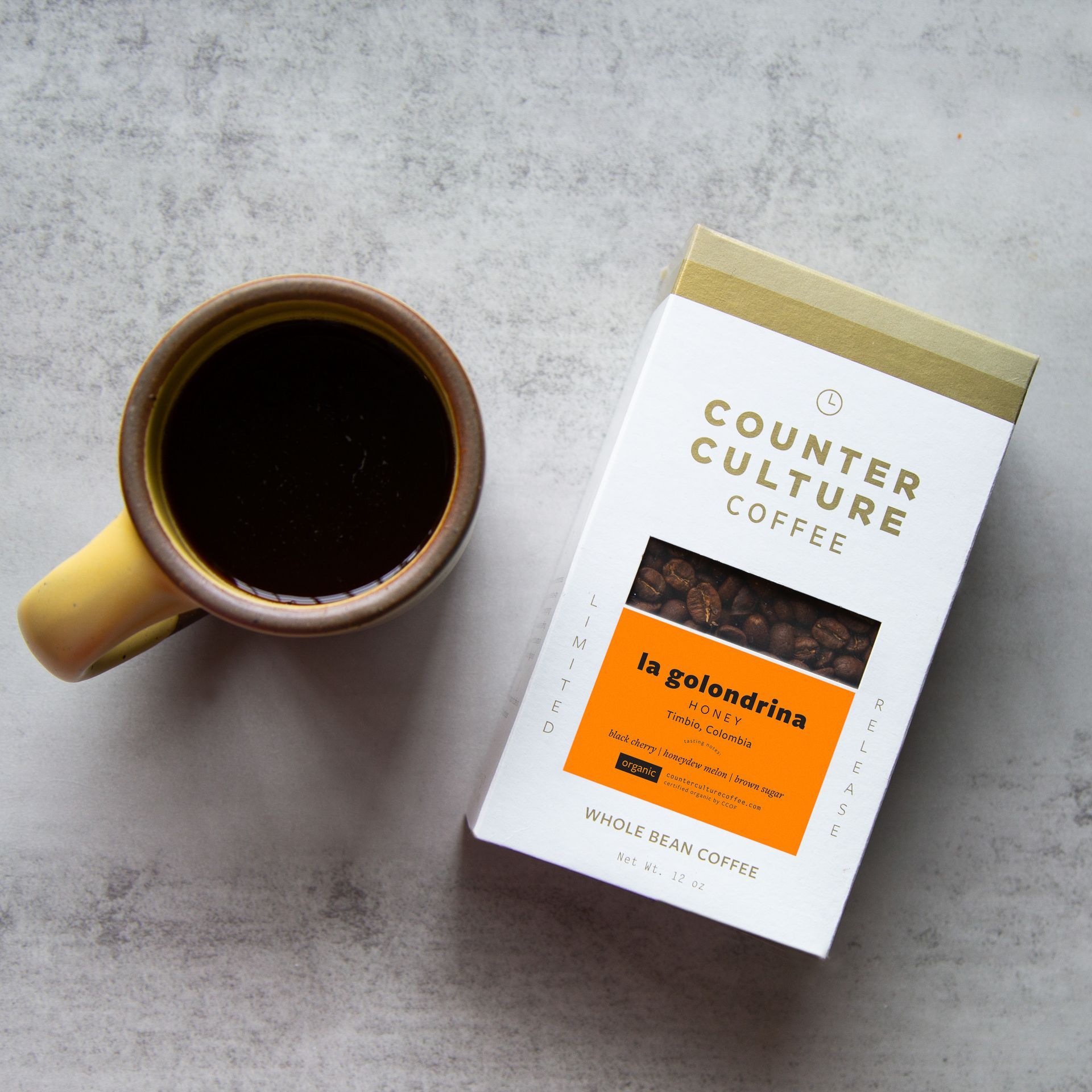
As the U.S. developed a thirst for specialty coffee, Counter Culture Coffee (CCC) carved its niche. While many roasters prioritized margins and speed, CCC fostered long-term global relationships with small producers, paying 3x+ the commodity rate per pound. Their commitment to “seed-to-cup” traceability, quality education, and climate action resonated with a new wave of coffee drinkers—those seeking more than just caffeine.
Today, CCC stands as a B Corp-certified leader. From curated single-origin subscriptions to innovative blends, their offerings fuse flavor with purpose: every bag tells a story of empowerment, environmental care, and craft. Specialty coffee is now poised for a 12% CAGR through 2030, making CCC’s reputation for trust and transparency a springboard for scaling impact—online, in breakrooms, and beyond.
Meeting Unmet Needs in the Market
Transparency: CCC’s publicly shared FOB prices and carbon data build unparalleled trust.
Sustainability: Investments in renewable energy and farmer projects elevate both origin and outcome.
Education: National training centers cultivate baristas and customers alike.
With over 100 coffee varieties and a dedication to innovation, CCC isn’t just selling beans—they’re shaping the evolving, ethical coffee market from root to roast.
Introducing the Business Model Analysis Framework
Every standout company wins with four interlocked pillars:
Value Proposition: What core attributes delight their ideal customer and convince them to pay?
Distribution Strategy: Which channels are used to reach and deliver value to end users?
Complementary Partnerships: Which external players are vital for scaling up and optimizing economics?
Sustainability Elements: How does the company enhance its economic, social, and environmental impact?
🎯 Target Segment & Value Proposition
Counter Culture Coffee’s mission appeals to a cross-section of modern coffee lovers and businesses:
Target Segments
Consumers: Discerning, eco-conscious individuals seeking traceable, high-quality beans.
Businesses: Cafes, restaurants, and offices prioritizing reliability, ethics, and premium product.

Why customers pay:
Traceability: CCC discloses sourcing details, building rare confidence.
Quality: Average coffee scores above 86, curated from a global network of expert producers.
Ethical Sourcing: Farmers earn notably more per pound, driving loyalty and bragging rights for consumers.
Education: Barista and brewing education fosters a community committed to excellence.
Customer Flexibility: Subscription models allow personalized, no-commitment deliveries.
🛒 Distribution Strategy
CCC’s current approach to reaching and serving customers is multi-pronged:
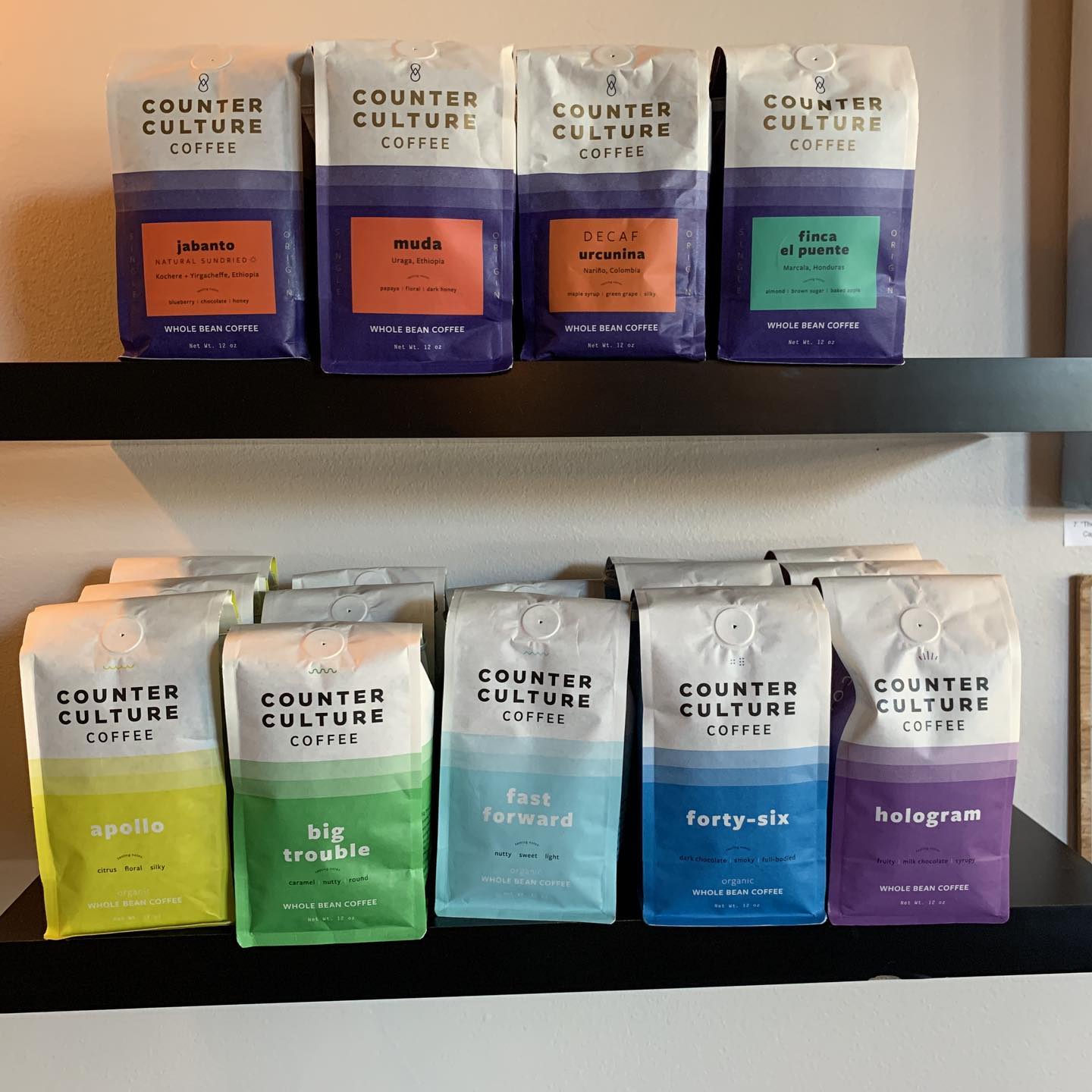
E-commerce
Flexible subscription packages (1–2 bags, blends, bulk, decaf) with customization.
No-commitment setup—customers can pause, change, or cancel anytime.
Wholesale/B2B
Trusted by high-profile cafes, restaurants, and offices for consistent quality.
Education & Training
12 nationwide centers offering courses to both enthusiasts and professionals.
Future Potential:
Data-driven micro-targeting for emerging regional and corporate needs.
Expansion into new markets using predictive demand analytics and curated bundles.
🤝 Complementary Partnerships
CCC harnesses key external collaborations, each essential for amplifying its value:
Farmers & Producer Organizations
Long-term, trust-based relationships enable crop diversification and social projects.
Certification & Standards Bodies
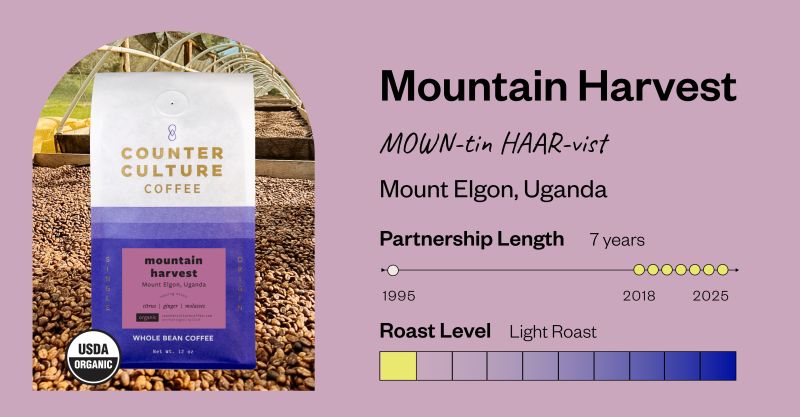
B Corp, USDA Organic, and similar certifications verify credibility.
Technology Providers
E-commerce platforms (Shopify) and customer experience analytics (Medallia).
Logistics Partners
Carbon-neutral distribution increases delivery scale and shrinks environmental footprint.
These partnerships enable CCC to consistently deliver on quality, sustainability, and customer trust without scaling costs unchecked.
🌎 Sustainability at the Core of the Business Model
Preserving planet and people is more than a marketing gambit for CCC—it’s core to value delivery and brand loyalty.
Economic: Direct, transparent supply chains optimize costs and shun exploitative middlemen.
Social: Investments in DEI, 16+ annual sustainability projects, and the Seeds Program ($0.01/lb to income-boosting farmer projects).
Environmental: Adoption of renewable energy in roasting, zero-waste targets, and meticulous carbon tracking across transport and logistics.
Transparency: Publicly sharing detailed impact data builds lasting relationships with conscious consumers and stakeholders.
📊 AI Readiness Assessment
CCC’s digital footprint—robust e-commerce, dynamic subscription data, educational assets—equips them for AI-powered business development.
Strengths:
Diverse, engaged online community.
Nimble e-commerce CMS and experience optimization tools.
Rich historical data from subscriptions, e-learning, and customer feedback.
Opportunities:
Use predictive AI for inventory and demand management, reducing stockouts and waste.
Auto-personalization engines to recommend new coffees based on past purchases or preferences.
Automated content creation: brew guides, customer reviews, and market insights for coffee enthusiasts and foodservice partners.
External Trend Reference:
As AI adoption accelerates in food and beverage, companies leveraging automation in marketing and supply forecasting achieve faster revenue growth without inflating team costs1.
🤖 Leveraging AI for Process Efficiency, Value Creation, and Delivery
Coffee’s complexity—from farm to cup—requires coordination and communication at scale. AI can drive:
Process Automation: Dynamic pricing, customer segmentation, and smart logistics routing cut manual work.
Content at Scale: NLP-powered agents extract insights from customer reviews to update guides and FAQs, providing up-to-date value for both B2B and B2C segments.
Predictive Analytics: Subscription insights train AI tools to optimize inventory, spot trends, and reduce overstock.
Education Delivery: Script and video generation streamline certification prep and enhance accessibility for dispersed learners.
Concrete example: An AI recommender could flag rising office demand in a specific city, prompting regional distribution focus and tailored B2B outreach.
🌐 Relevance of AI Agents for Business Development
Three agentic solutions, tailored for business development acceleration, unlock transformative potential for companies like CCC:
Content Lead Agent (CLA)
Auto-generates and iterates on blog posts, brew guides, and customer-facing materials by mining web, training, and review data.
Powers superior inbound marketing, ensuring fresh, SEO-aligned content with minimal manual hours.
Lead Generation Agent (LGA)
Identifies and prioritizes new B2B or office clients based on CRM, web, and regional analytics.
Streamlines cold outreach, enabling rapid piloting of new subscription models or bundles in targeted areas.
Request for Proposal Agent (RFPA)
Automates generation of tailored, data-rich responses for large B2B inquiries.
Cuts proposal turnaround times, increasing close rates and freeing specialists for higher-value relationship building.
These agents empower scaling without swelling team size, ensure rapid response to market shifts, and maintain service quality—vital levers for profit and resilience.
Key Takeaways
Radical transparency attracts loyalty in a complex, crowded market.
Paying premium prices direct to producers is not just ethical—it’s a marketable business advantage.
Multi-channel distribution and education create new revenue streams and position CCC as a tastemaker.
AI readiness ensures profitable scaling, empowering CCC to innovate while controlling costs.
Specialized AI agents can transform content, lead generation, and proposal management—integral for next-stage growth.
Ready to become a disruptor in agribusiness?
Take the Next Step
If you’re ready to advance your career in food and agribusiness:
Explore Avila University’s Agribusiness Certificate Programs
Identify the certificate that aligns with your career stage
Connect with admissions advisors to plan your learning pathway
Learn more:
https://www.avila.edu/avila-agribusiness-programs/
References:
Forbes—”AI Adoption In Food & Beverage: 2023 And Beyond”
Specialty Coffee Association—”The US Coffee Market And Its Growth Drivers”
Counter Culture Coffee, 2025 Transparency Report
Disclaimer: This post is for educational and illustrative purposes as part of the Agribusiness Academy Blog and is intended to guide learning and discussion. The analysis may not fully represent the proprietary business practices of Counter Culture, and all facts are based solely on external/public sources. We invite corrections or debate on any points presented.