Disrupting the Plate: How Innovative Food Models Are Redefining Agribusiness in Nigeria
Introduction: A New Era of Agrifood Opportunity in Nigeria
Nigeria, Africa’s most populous country, stands at the intersection of enormous food demand and structural food insecurity. But within this challenge lies a massive opportunity. Across cities and rural communities, a new breed of food enterprises is deploying disruptive business models to solve specific problems in the food system—and they’re creating scalable change.
These ventures aren’t just startups; they are innovation labs turning broken systems into growth engines. From post-harvest storage and local food delivery to health-focused meals and value chain efficiency, each enterprise shows what’s possible when purpose meets precision.
Let’s explore five transformative models that are opening new frontiers in Nigeria’s agrifood economy.
Vendease: Powering the Backend of Nigeria’s Food Businesses
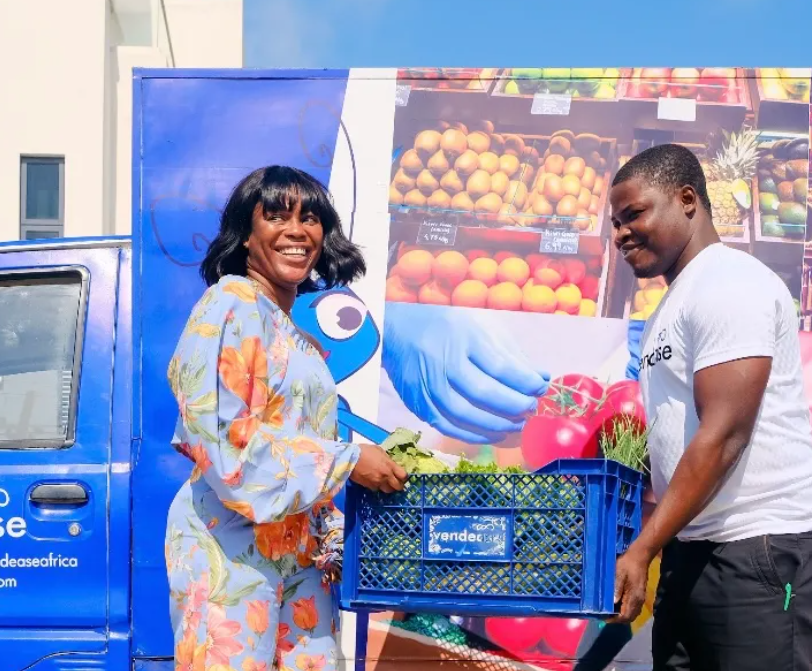
Take Vendease, for example—a Nigerian startup quietly solving one of the most frustrating challenges for food businesses: sourcing. What began as a tech-enabled solution for restaurants to order food supplies quickly evolved into a full-stack B2B platform streamlining procurement, logistics, and payments.
By digitizing the way food service businesses order ingredients—from vegetables to proteins—Vendease is helping reduce waste, improve traceability, and unlock growth for thousands of SMEs in the food sector. Its impact isn’t just operational; it’s structural—offering a glimpse into how innovation at the backend can fuel quality, affordability, and consistency at the consumer end.
Releaf: Reinventing Palm Oil with Value Chain Tech
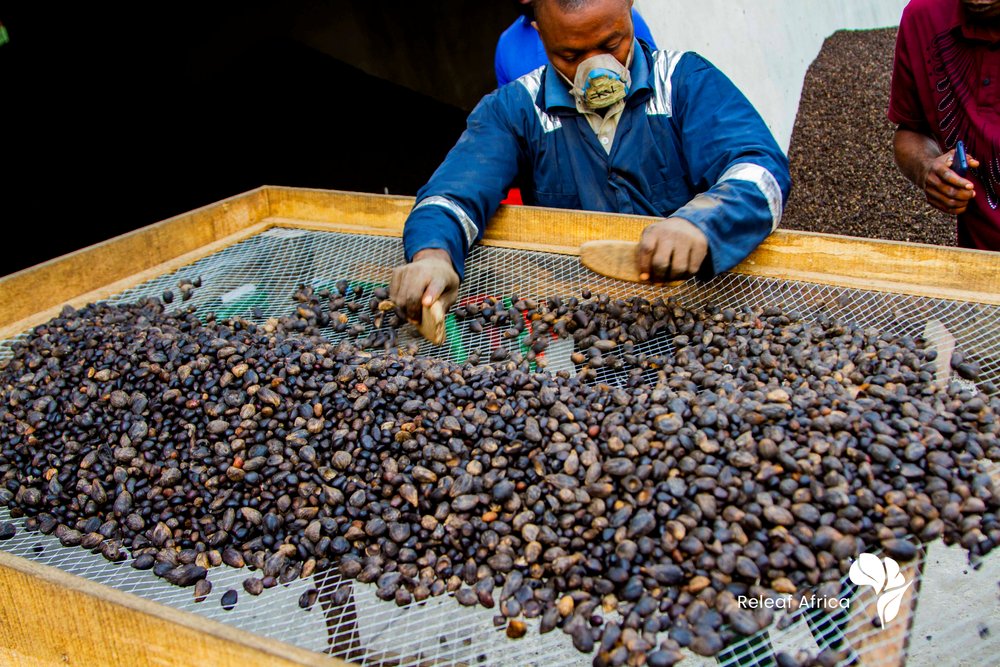
Nigeria’s palm oil sector is plagued by inefficiencies in processing and farmer coordination. Releaf stepped in with a sharp focus on one choke point: outdated processing.
By introducing portable, high-efficiency machinery and digital farmer networks, Releaf is turning a legacy crop into a scalable business opportunity. Their success shows how smart infrastructure in one stage of the value chain can transform the whole system.
ColdHubs: Climate-Smart Storage for Fresh Food Resilience
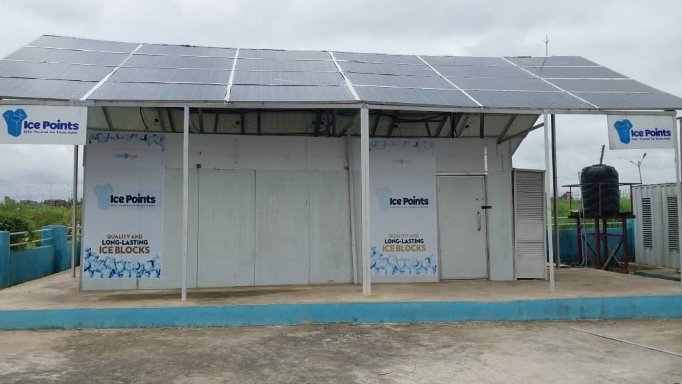
Every year, billions of naira are lost to post-harvest spoilage. ColdHubs offers a simple but powerful solution: solar-powered cold rooms installed in markets and rented by the day.
This modular model prevents food loss, increases farmer incomes, and supports climate resilience—all while being financially viable. It’s a win for the circular economy and food security.
So Fresh: Mainstreaming Health with Local Relevance
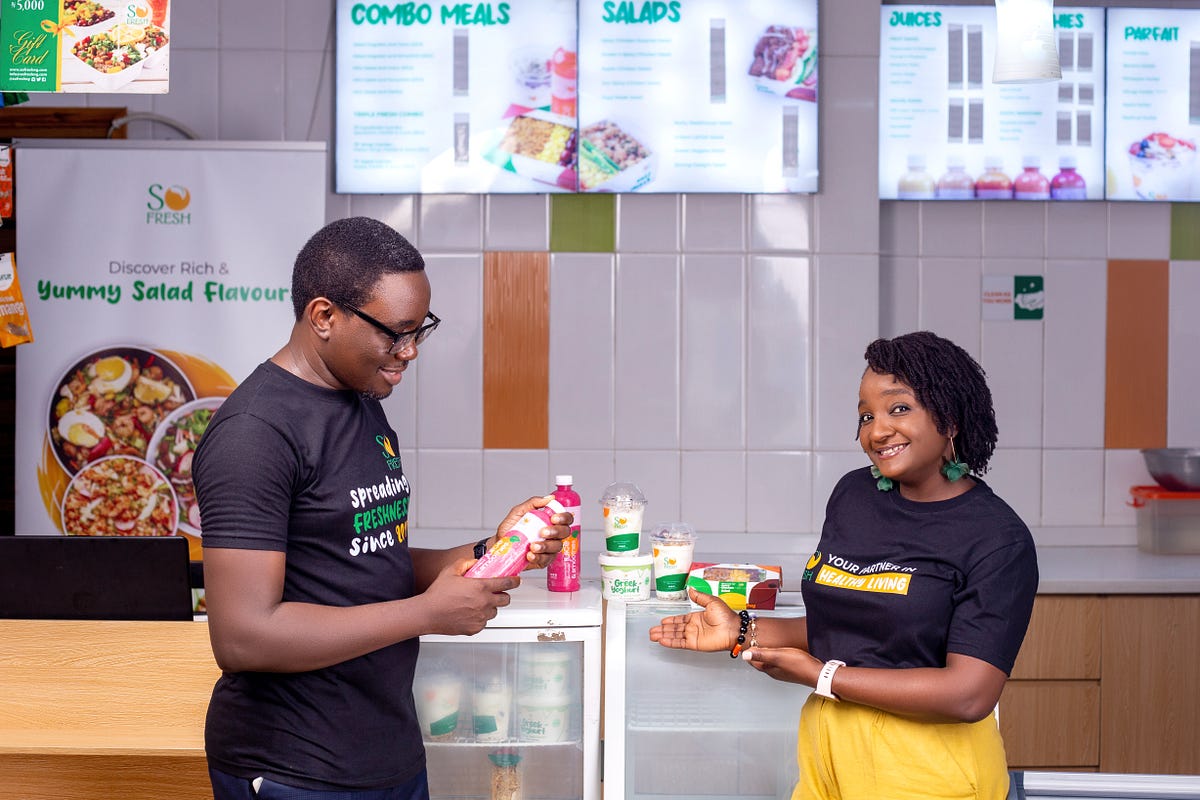
Riding the wave of wellness culture, So Fresh turned health food from a niche trend into a mainstream movement. By blending traditional flavors with nutrition-first recipes—think suya chicken salads and zobo detox drinks—they’ve built Nigeria’s most recognizable health-focused food chain.
With multi-channel delivery, dine-in, and B2B wellness programs, So Fresh captures the shift in urban eating habits—and shows how consumer wellness trends can fuel scalable enterprise.
Boomsky Smoothies: Redefining Beverage Culture with Nutrition
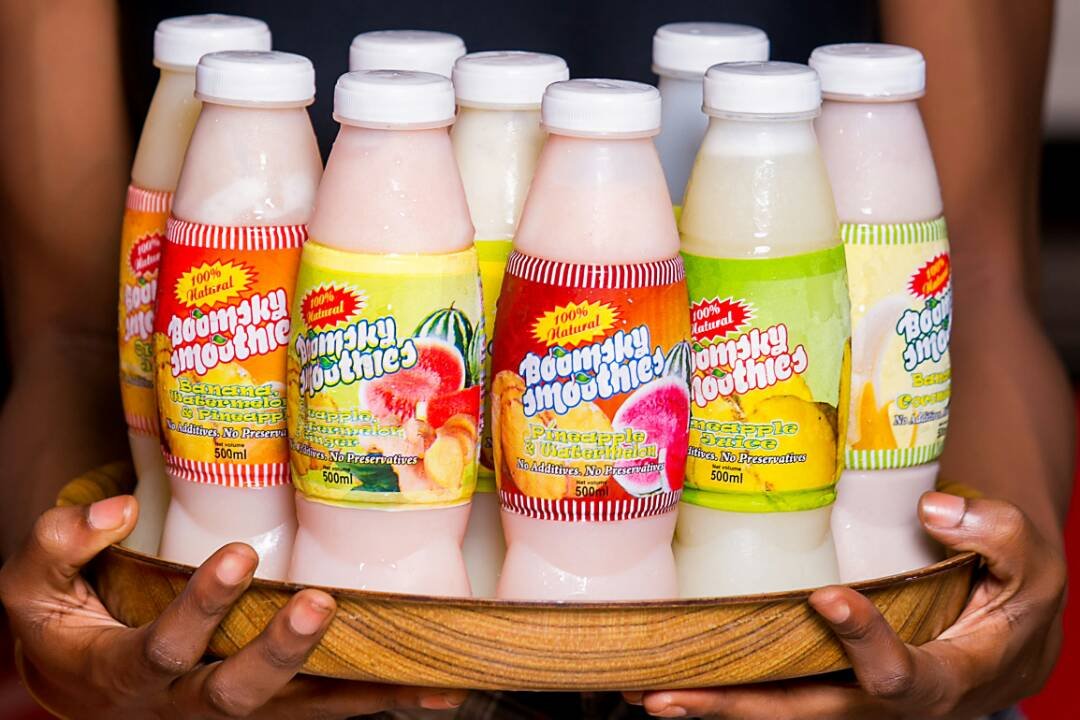
For years, the beverage market was dominated by sugary sodas. Then came Boomsky Smoothies, founded by Olubunmi Otufowora, offering natural, no-additive drinks from locally sourced fruits.
Beyond healthy refreshment, Boomsky is changing consumption patterns. With mobile delivery, retail pop-ups, and wellness branding, they’ve created a new lifestyle product rooted in Nigerian agriculture.
Why These Models Work
They solve targeted, real-world problems in the food chain.
They align with emerging consumer preferences—health, convenience, and quality.
They prove that lean, modular models can achieve scale.
They champion local relevance with global ambition.
What’s Still Needed
Better access to finance for growing agribusiness ventures
Investment in food processing and logistics infrastructure
Policy stability and public-private collaboration
Leadership and business training to scale ideas
The Role of Business Education
Behind every successful model is a leader who understands operations, markets, and scale. That’s where the Avila Agribusiness Programs makes a difference—helping entrepreneurs transition from execution to strategy.
Take the Next Step
If you’re ready to advance your career in food and agribusiness:
Explore Avila University’s Agribusiness Certificate Programs
Identify the certificate that aligns with your career stage
Connect with admissions advisors to plan your learning pathway
Learn more:
https://www.avila.edu/avila-agribusiness-programs/
Conclusion: The Opportunity is Now
From fast meals to cold storage, nutrition to processing, Nigeria’s food challenges are being turned into opportunities by a new class of visionary entrepreneurs.
The future of agribusiness isn’t about doing everything. It’s about doing one thing brilliantly—and building from there.
Whether you’re a policymaker, investor, or entrepreneur, the message is clear: Nigeria’s food system is ripe for transformation—and it’s already happening, one bold model at a time.
Key Takeaways:
Nigeria’s agrifood space holds untapped opportunities for smart, focused business models.
Disruptive models are solving structural problems across processing, delivery, storage, and consumer health.
Innovation is coming from context-aware, lean strategies—not big-budget plays.
Consumer trends like health, trust, and convenience are shaping demand.
Business education accelerates the growth and sustainability of these innovations.