The Clean Label Movement: How Brands Are Winning with Simplicity and Transparency
📖 A Story of Trust, One Label at a Time
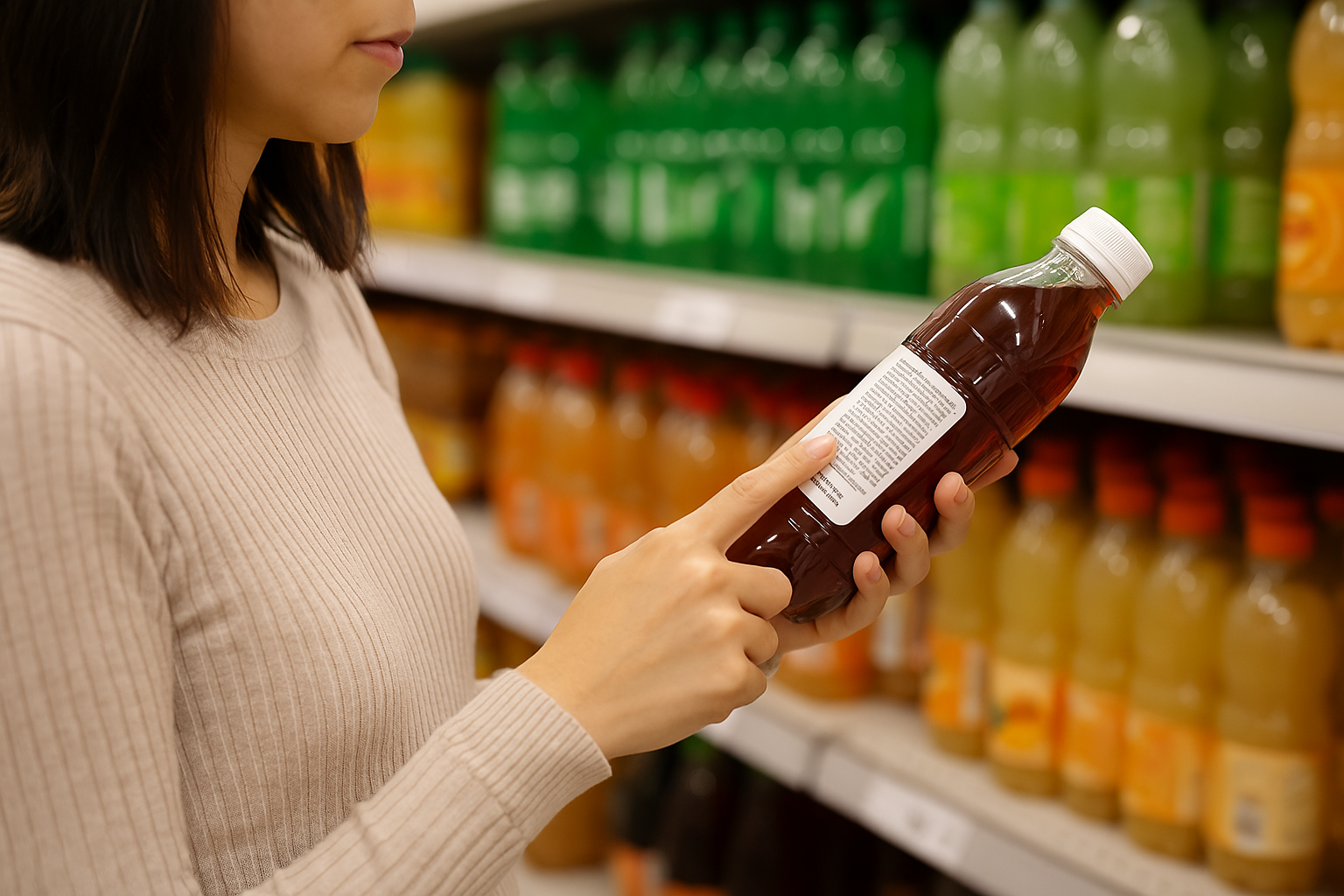
It started with a question.
“Why don’t I recognize half the ingredients in my granola bar?”
From the kitchen tables of New York to the food stalls of Lagos and the supermarkets of Mumbai, this simple question sparked a quiet revolution. A growing number of consumers, tired of confusing labels and artificial ingredients, started seeking transparency. They wanted food they could trust.
And so, the Clean Label Movement was born.
This is not just a trend — it’s a story of how clarity is replacing complexity, and how food brands are rebuilding trust in an age of skepticism.
🧼 What Is the Clean Label Movement?
The Clean Label Movement refers to food products made with:
Simple, recognizable ingredients
No artificial additives, preservatives, or colors
Transparent sourcing and processing
While there’s no universal legal definition, the movement is driven by consumer expectations, not regulation. For many, clean label = “Nothing to hide.”
🔥 Why It’s Gaining Momentum
💡 1. Health Awareness
The rise of chronic diseases and lifestyle-related conditions has consumers looking for food they can trust and pronounce.
🌐 2. Information is Power
Shoppers have access to more product info than ever before — and demand authenticity.
🧠 3. Psychology of Simplicity
Fewer ingredients = perceived quality and trustworthiness.
⬆️ 4. Retail and Regulatory Influence
Major retailers now prefer clean label formulations, and food authorities are tightening labeling norms for clarity and safety.
🌍 Global Case Studies: Brands Putting Clean Labels to Work
From startup disruptors to legacy giants, here are stories of how brands around the world are embracing clean label principles.
🇺🇸 Case Study: RXBAR – The Power of Radical Simplicity

“3 Egg Whites. 6 Almonds. 4 Cashews. 2 Dates. No B.S.”
That’s it. That’s the front of an RXBAR pack — and it worked. By 2017, the brand had grown so fast and so authentically that Kellogg’s acquired it for $600 million.
This was not a marketing gimmick. It was a product designed around transparency. RXBAR’s growth proved that honesty and minimalism aren’t just good values — they’re good business.
🇺🇸 Case Study: Panera Bread – The “No No List” Strategy

Panera took clean label to the next level by publicly sharing a list of 150+ banned ingredients, ranging from synthetic flavors to artificial preservatives. They called it the “No No List.”
The result? They built a menu that parents could trust, and a brand that aligned with the growing wellness movement in America.
🇺🇸 Case Study: KIND Snacks – Kindness in Every Bite
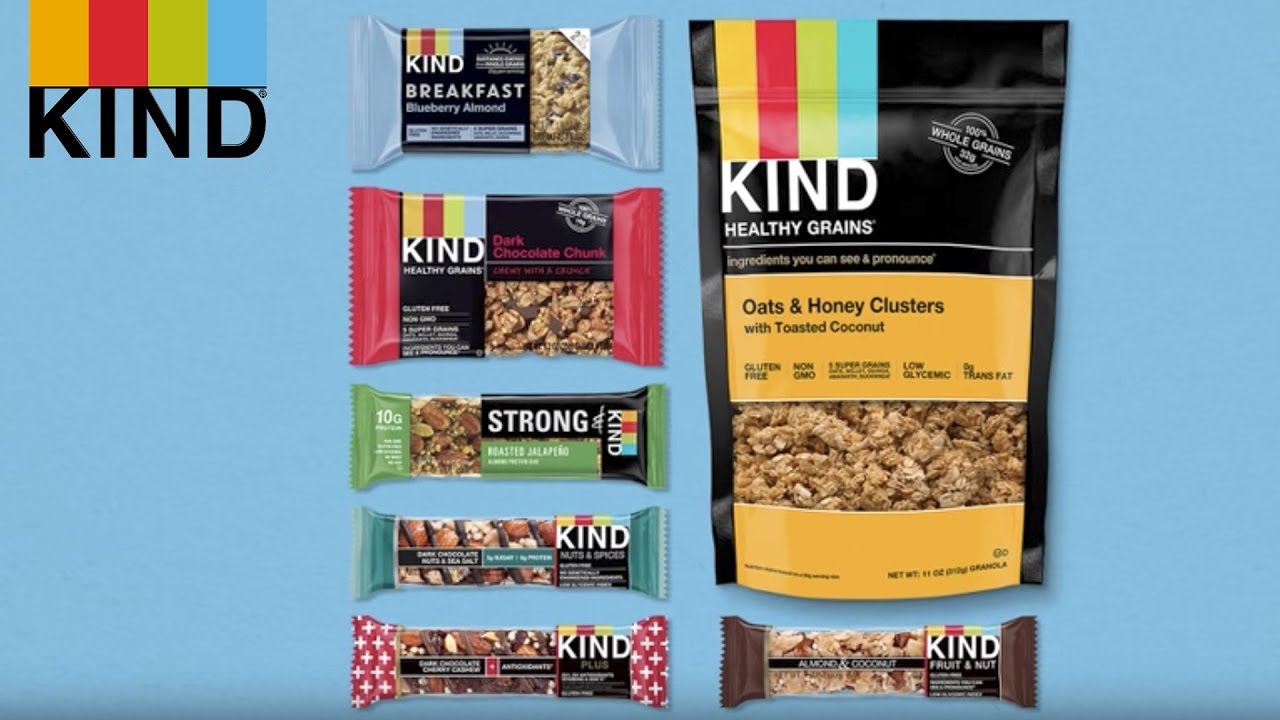
With its transparent packaging and visible ingredients, KIND Snacks didn’t just sell bars — it sold a promise: that what you see is what you get.
Their front-of-pack design, showing whole nuts, dried fruits, and seeds, became a blueprint for trust-building in the snack world.
🇮🇳 Case Study: The Whole Truth – India’s Clean Label Trailblazer
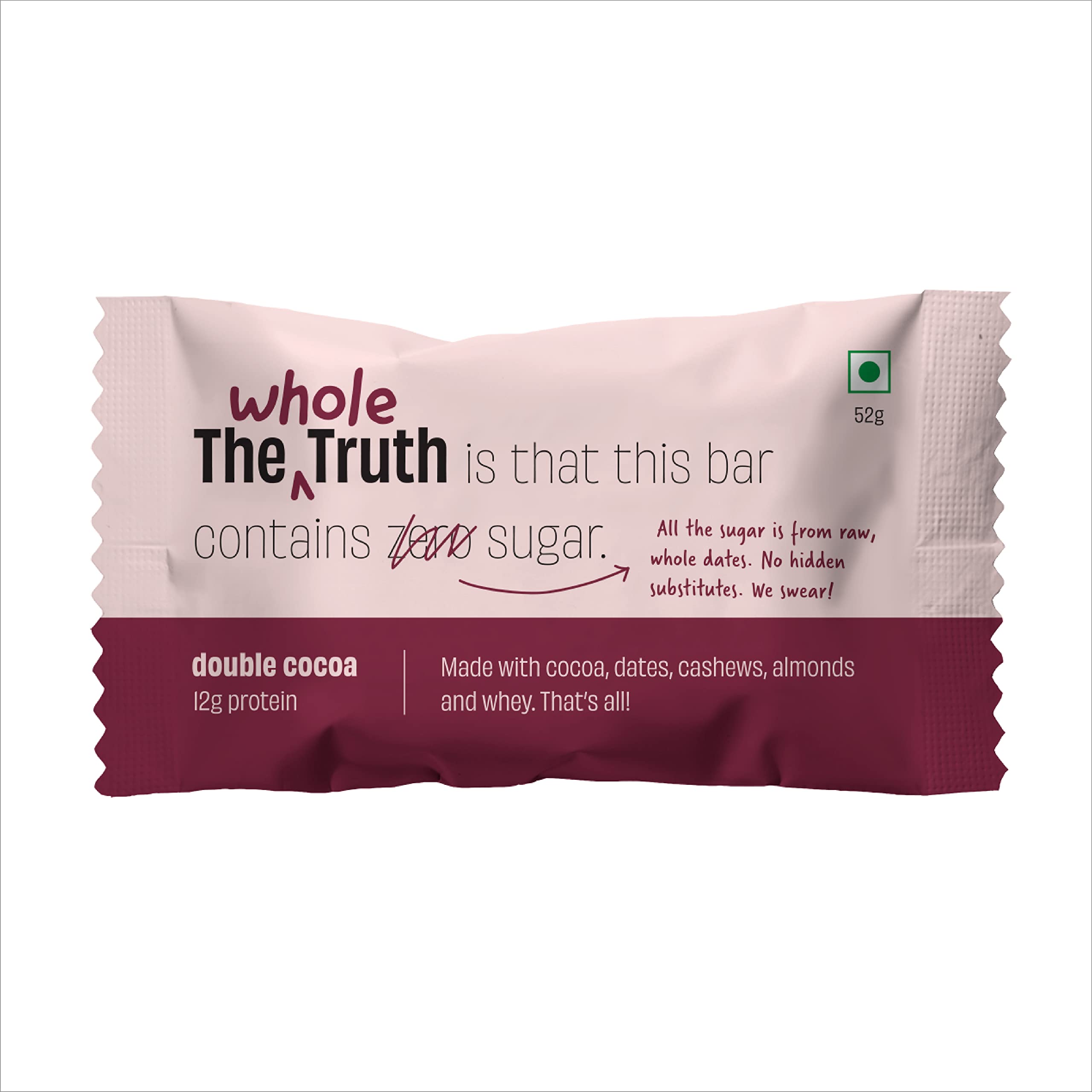
In India, a brand called The Whole Truth is rewriting the rules of packaged food. Their front labels list every ingredient, and their website offers videos showing exactly how products are made.
They avoid vague claims like “natural” and focus instead on radical honesty — even highlighting what they don’t use: no refined sugar, no palm oil, no preservatives.
The Whole Truth didn’t just build a brand. They built a movement.
🔁 Clean Labels Are Transforming the Supply Chain
The Clean Label Movement isn’t just about what’s on the packaging — it’s about how the entire food system operates.
🚜 For Farmers:
Increasing demand for residue-free, traceable crops
Shift toward regenerative agriculture and cleaner inputs
Direct linkages with processors who want clean-certified produce
🧪 For Ingredient Suppliers:
Moving from synthetic additives to natural alternatives (e.g., citrus extract, fermented sugar, beetroot coloring)
Need for documentation and verification of ingredient quality
🏭 For Food Processors:
Rethinking formulation for shorter ingredient lists
Innovating with natural preservation methods
Redesigning supply systems for batch-level traceability
📦 For Brands and Retailers:
Pressure to reformulate existing products
Building trust through QR-code enabled transparency
Creating brand loyalty through cleaner storytelling
The clean label philosophy forces every player in the chain to work backward from the consumer’s demand for honesty.
Take the Next Step
If you’re ready to advance your career in food and agribusiness:
Explore Avila University’s Agribusiness Certificate Programs
Identify the certificate that aligns with your career stage
Connect with admissions advisors to plan your learning pathway
Learn more:
https://www.avila.edu/avila-agribusiness-programs/
✅ Key Takeaways
Clean label = consumer trust + competitive edge
It’s a global movement thriving in both developed and emerging markets
Brands like RXBAR, Panera, KIND, The Whole Truth, and Wildea are reimagining what food branding means
Clean labels are reshaping the entire agri-food value chain
Transparency, innovation, and ethics are now essential to brand success
📚 References
[Wildea (Nigeria) – Official Website and Instagram Profiles]
Take the Next Step
If you’re ready to advance your career in food and agribusiness:
Explore Avila University’s Agribusiness Certificate Programs
Identify the certificate that aligns with your career stage
Connect with admissions advisors to plan your learning pathway
Learn more:
https://www.avila.edu/avila-agribusiness-programs/