Introduction: The Power of Distribution in Sustainable Agriculture
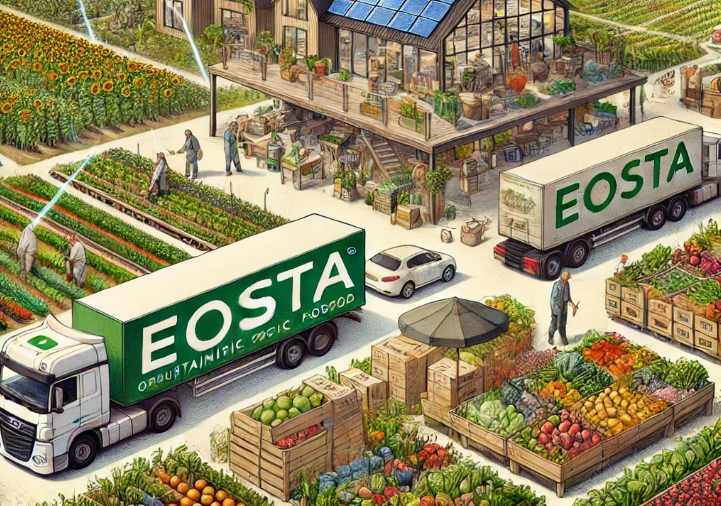
When we think about organic and sustainable agriculture, our focus often turns to farmers and their regenerative practices. However, one of the most critical yet overlooked players in the success of organic agriculture is distribution. Companies like Eosta, a Netherlands-based distributor of organic fruits and vegetables, have demonstrated how distribution can be a driving force behind sustainable food systems.
Eosta is not just another organic produce distributor; it has pioneered premium branding, fair pricing, and traceable supply chains, ensuring that sustainability does not stop at the farm but continues throughout the food system. This article explores Eosta’s journey, their role in organic transition, their premium market positioning, and the strategic partnerships that fuel their success.
 The Mini MBA in Sustainable Food Supply Chains at Agribusiness Academy offers in-depth insights into building resilient, ethical, and future-proof food systems.
Learn More & Enroll Here: Mini MBA Program
 Source: Eosta
1. Eosta’s Journey: From Distributor to Sustainability Champion
Founded in 1990 in the Netherlands, Eosta started as an importer and distributor of organic fresh fruits and vegetables. The company was established by Volkert Engelsman, with the vision of bringing organic produce to a global market while ensuring that sustainability is embedded at every level of the supply chain.
Eosta quickly recognized that organic farming alone is not enough. Without strong distribution networks, organic farmers struggle to reach high-value markets, and sustainable farming practices cannot scale. Eosta took on the responsibility of building a transparent and fair distribution model, which not only ensured farmers received a fair price but also educated consumers on the true cost of food production.
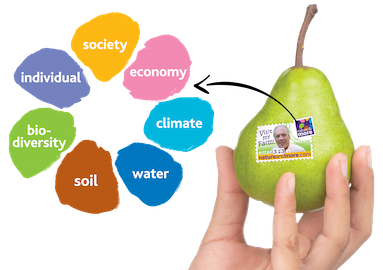
With initiatives like Nature & More, Eosta transformed from a mere distributor into a force for sustainable change, providing transparency to consumers and ensuring that organic produce carried social and environmental value beyond just being chemical-free.
 Source: Eosta
2. Distribution: The Missing Link in Sustainable Agriculture
Sustainable agriculture does not always start at the farm. In many cases, it is the distributor who plays a pivotal role in shaping the supply chain and ensuring that farmers have access to sustainable practices, fair compensation, and market opportunities.
Eosta’s business model highlights that organic farming can only succeed when there is a structured and value-driven distribution system to support it. Here’s how Eosta has enabled the organic transition in agriculture through its distribution strategies:
- Fair Trade and Organic Certification Support: Eosta provides certification assistance to farmers, helping them transition from conventional to organic and biodynamic farming.
- Logistics and Market Access: By connecting farmers in developing regions with high-value European retail markets, Eosta ensures that sustainable farmers can thrive economically.
- Consumer Awareness: Through Nature & More, Eosta educates consumers on the true cost of food, influencing demand for sustainable products and thereby encouraging more farmers to transition.
- Sustainability Innovations: Their True Cost Accounting (TCA) model highlights the hidden environmental and social costs of conventional agriculture, strengthening the case for organic production.
By acting as a bridge between farmers and consumers, Eosta has successfully demonstrated that organic agriculture is not just a farming decision—it is a market-driven transformation.
3. Premium Positioning: Branding Organic Produce for High-Value Markets
Eosta has strategically positioned itself as a premium brand in the organic sector, ensuring that farmers receive fair prices and consumers recognize the added value of their products.
Premium Retail Partnerships
Eosta’s organic produce is available in some of Europe’s leading premium retailers, including:
- Dennree (Germany) – A leading organic supermarket chain.
- ICA (Sweden) – A premium grocery retailer supporting organic initiatives.
- Ekoplaza (Netherlands) – A 100% organic supermarket chain.
- Alnatura (Germany) – One of Europe’s most established organic grocery brands.
These retailers prioritize organic transparency, making Eosta a perfect fit for their supply chains. By focusing on high-end grocery stores, organic specialty markets, and direct-to-consumer models, Eosta has been able to build a brand that stands for premium quality, sustainability, and traceability.
4. Strategic Partnerships Driving Eosta’s Success
To maintain its leadership in organic distribution, Eosta collaborates with key stakeholders across the food system, ensuring a strong, transparent, and sustainable value chain:
A. Small-Scale Farmers & Grower Cooperatives
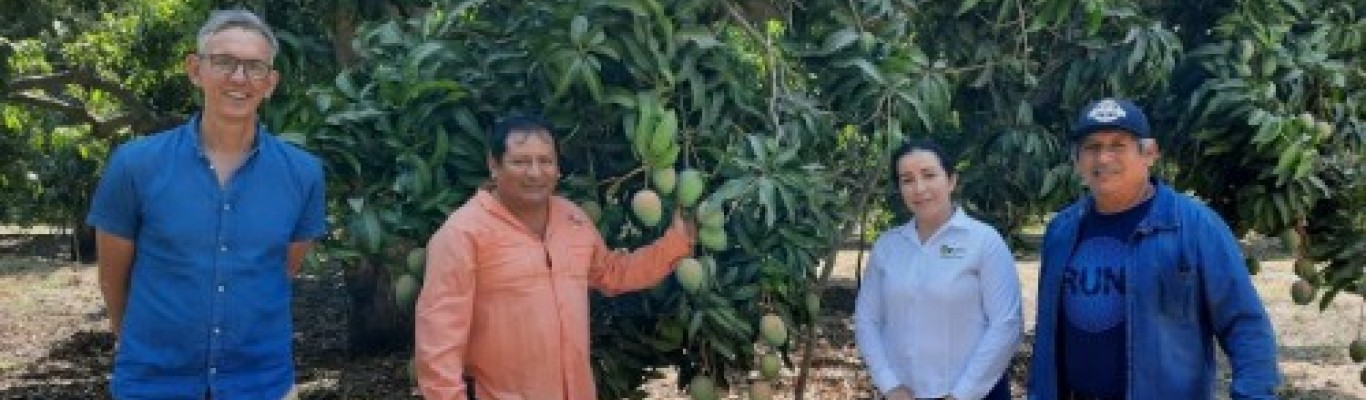
- Works directly with smallholder farmers in Kenya, Peru, and South Africa to help them transition to organic farming.
- Provides training, certification, and logistical support to ensure compliance with EU organic regulations.
 Source: Eosta
B. Logistics & Packaging Innovations
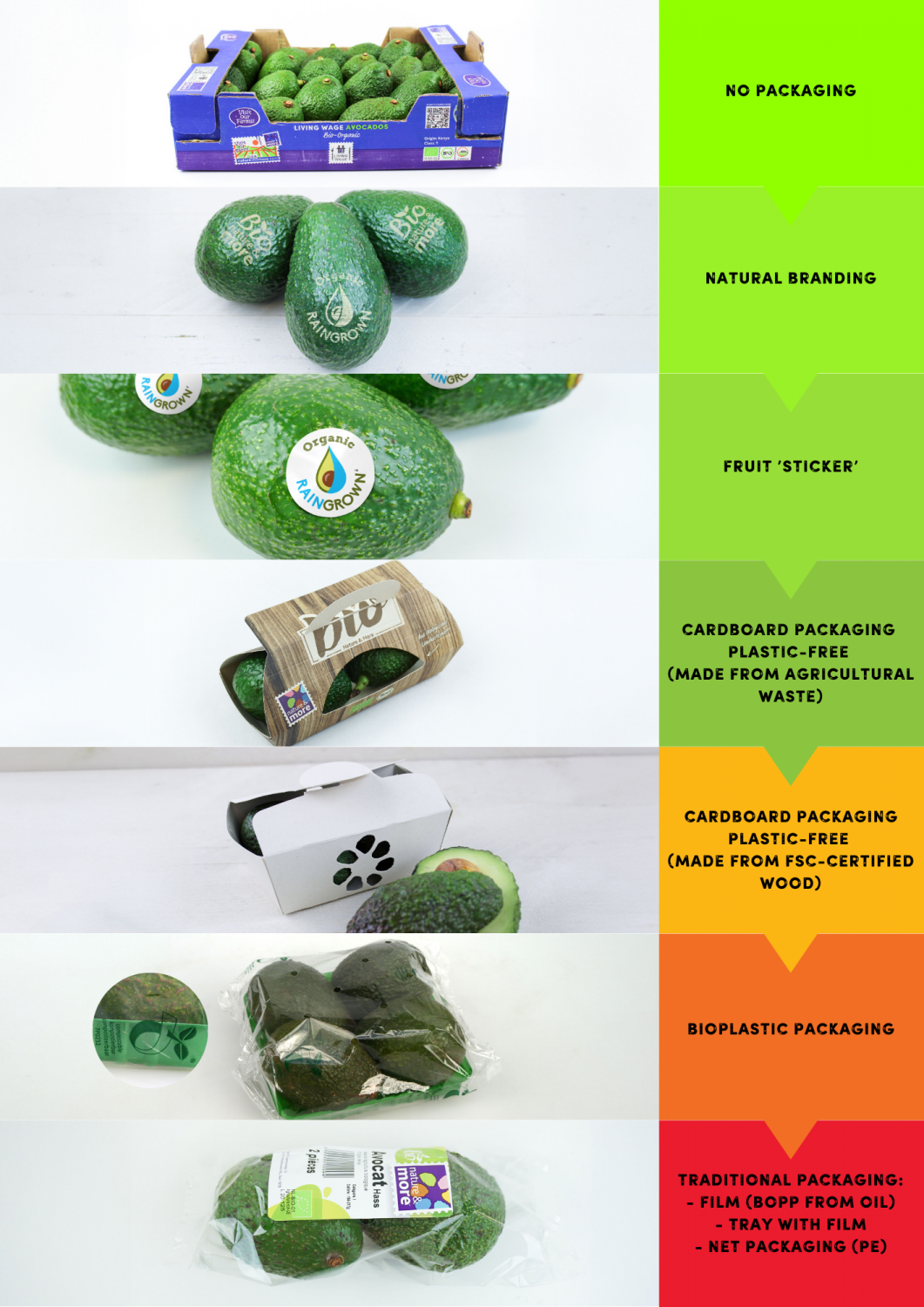
- Developed Natural Branding, an innovative laser-marking technology that eliminates plastic stickers and reduces packaging waste.
- Uses eco-friendly packaging solutions to meet strict sustainability standards of premium retailers.
 Source: Eosta
C. Research Institutions & Policy Advocacy
- Collaborates with Wageningen University on soil health and carbon farming initiatives.
- Engages in policy discussions with EU regulatory bodies to advocate for organic farming incentives and true cost accounting.
5. Key Learnings from Eosta’s Business Model
Eosta’s success provides valuable lessons for agribusiness professionals looking to build sustainable food supply chains:
- Sustainable farming requires a strong distribution network – Organic farmers need market access, fair pricing, and logistical support to succeed.
- Transparency drives consumer trust – Educating consumers on why organic costs more and showing farmers’ impact stories creates brand loyalty.
- Innovation in packaging & logistics can reduce environmental impact – Natural Branding and compostable packaging show that sustainability doesn’t stop at farming.
- Premium positioning ensures financial sustainability – Targeting better-value retailers and conscious consumers makes organic farming economically viable.
- Partnerships are key – From farmers to policymakers, collaboration fuels the success of sustainable food systems.
Want to Build a Sustainable Food Supply Chain?
Eosta’s story is a masterclass in sustainable food system transformation. If you are an agribusiness professional, food entrepreneur, or supply chain expert, understanding how to integrate sustainability into distribution and retail is crucial for success.
Take the Next Step
If you’re ready to advance your career in food and agribusiness:
Explore Avila University’s Agribusiness Certificate Programs
Identify the certificate that aligns with your career stage
Connect with admissions advisors to plan your learning pathway
Learn more:
https://www.avila.edu/avila-agribusiness-programs/
Join the movement towards a more sustainable food future!
#SustainableAgriculture #OrganicFarming #FoodSupplyChains #Eosta #NatureAndMore #RegenerativeAgriculture #Sustainability #MiniMBA