Exploring Global Food Distribution and Retail Trends: Navigating the Future of International Food Logistics
Estimated reading time: 10 minutes
Key Takeaways
-
- The global food distribution landscape is rapidly evolving, reshaping the journey from farm to table.
-
- Sustainability, digital transformation, and local sourcing are key trends driving industry changes.
-
- Understanding international food logistics challenges is crucial for ensuring global food security.
-
- The future holds increased automation, sustainability efforts, and innovative retail solutions.
For a comprehensive understanding of sustainable food distribution and retail trends, consider enrolling in Agribusiness Academy’s Mini MBA in Sustainable Food Supply Chains. This six-month online program equips professionals with the knowledge to develop business models and supply chains that benefit both business and the planet.
Table of contents
The landscape of food distribution and retail trends is rapidly evolving, reshaping how food moves from farm to table across the globe. In today’s interconnected market, understanding these trends is crucial for businesses and consumers alike. The global food and grocery retail market, currently valued at USD 11,932.5 billion in 2023, is projected to grow at a CAGR of 3.2% from 2024 to 2030, driven by changing consumer preferences, technological advancements, and evolving retail formats.
Global food distribution plays a vital role in connecting farmers in remote areas to consumers in urban centers, ensuring food security worldwide. This complex network of relationships and processes is continuously adapting to meet modern challenges and opportunities.
Global Food Distribution Overview
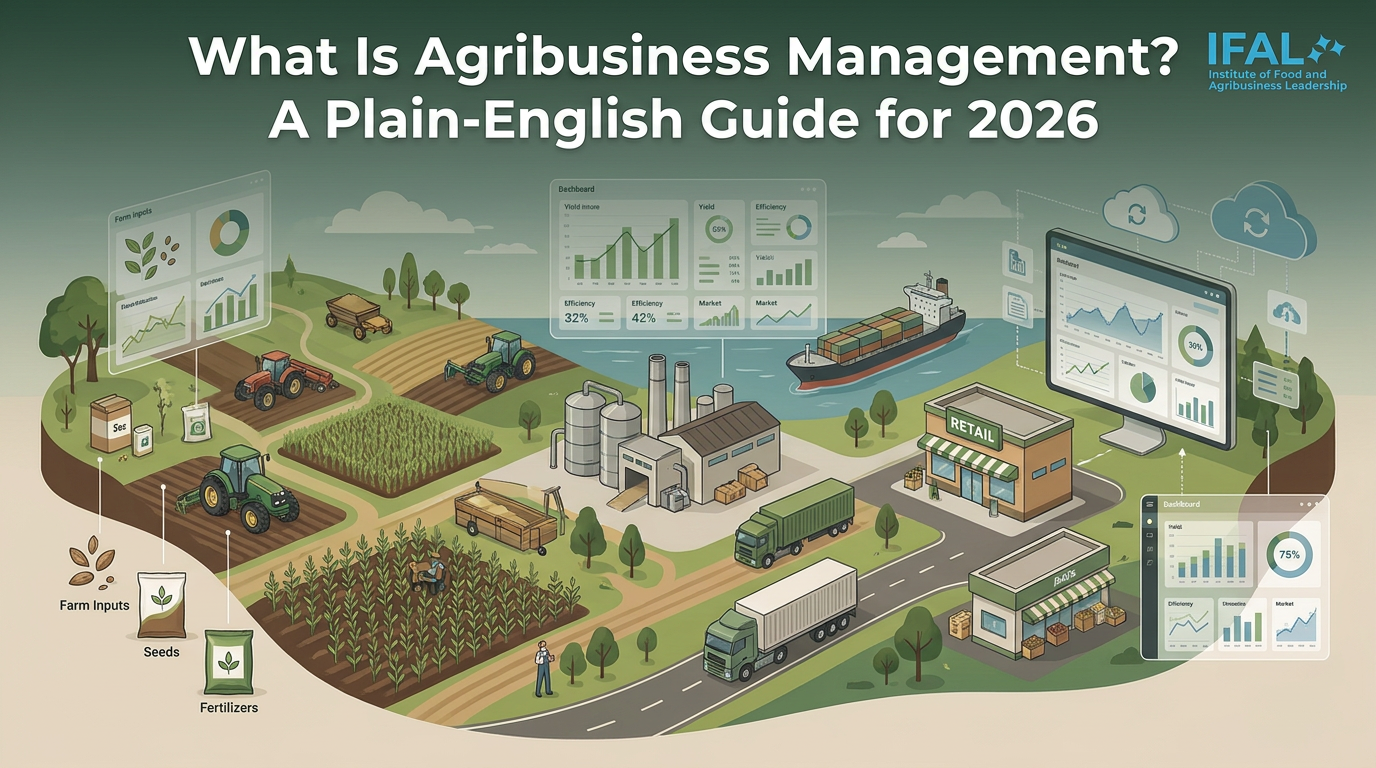
The intricate web of global food distribution involves multiple stakeholders working in harmony to deliver diverse food products across international borders. This system comprises several key players:
-
- Farmers and Producers: Responsible for cultivating raw food materials
-
- Food Processors: Transform raw ingredients into consumable products
-
- Distributors and Wholesalers: Facilitate bulk movement of food
-
- Retailers: Provide direct access to consumers
-
- Logistics Providers: Manage transportation and storage
-
- Regulatory Bodies: Ensure compliance with safety standards
-
- Consumers: Drive demand and influence market trends
The system operates across major regions including North America, Europe, Asia-Pacific, Latin America, and the Middle East & Africa, each with distinct market characteristics and growth patterns.
Current Food Distribution Trends
Sustainability Initiatives
Companies are increasingly focusing on sustainable practices throughout the global food distribution network. This includes:
-
- Implementation of renewable energy in transportation
-
- Adoption of biodegradable packaging materials
-
- Reduction of carbon footprints
For more insights on sustainable supply chains, visit Sustainable Food Supply Chain Training: Everything You Need to Know for a Greener Future.
Local Sourcing Movement
There’s a growing preference for locally sourced foods, particularly in Europe. This trend:
-
- Boosts local economies
-
- Reduces environmental impact
-
- Increases transparency in food origins
Supply Chain Resilience
Companies are strengthening their supply chains through:
-
- Diversification of supplier bases
-
- Investment in risk management technologies
-
- Adaptation to global disruptions
Enhancing supply chain resilience is crucial for staying ahead in Food and Agribusiness Trends and Developments: A Comprehensive Guide for 2024 and Beyond.
Digital Transformation
The industry is experiencing significant digitalization through:
-
- Advanced inventory management systems
-
- Customer relationship management software
-
- Omnichannel retail strategies
Further details on digital strategies can be found in our Mini MBA in Sustainable Food Supply Chains program.
Modern Delivery Solutions
New delivery models are emerging, including:
-
- Buy Online Pickup In-Store (BOPIS)
-
- Curbside pickup options
-
- Direct-to-door delivery services
International Food Logistics
Transportation Challenges
The movement of food products across borders faces several challenges:
-
- Customs delays
-
- Infrastructure limitations
-
- Quality maintenance during transit
Regulatory Compliance
Companies must navigate:
-
- Varying food safety standards
-
- International trade agreements
-
- Packaging and labeling regulations
Perishability Management
Solutions for handling perishable goods include:
-
- Temperature-controlled containers
-
- Advanced monitoring systems
-
- Expedited shipping methods
Learn more about reducing food losses with our guide on Reducing Food Losses and Waste: Effective Post-Harvest Technologies and Best Practices.
Global Retail Food Trends
E-commerce Expansion
Online grocery shopping is experiencing rapid growth, particularly in Asia-Pacific regions, driven by:
-
- Increased smartphone penetration
-
- Convenience demands
-
- Digital payment adoption
Omnichannel Integration
Retailers are creating seamless shopping experiences through:
-
- Integration of online and offline channels
-
- Mobile applications
-
- Digital payment systems
Shifting Consumer Behaviors
Consumer preferences are evolving toward:
-
- Organic and natural products
-
- Locally sourced foods
-
- Sustainable packaging
Explore how consumer trends are shaping the future in Exploring Novel Foods and Alternative Food Trends: Shaping Consumer Preferences and the Future of Nutrition.
Digital Distribution in Food
Blockchain Implementation
Blockchain technology is enhancing:
-
- Supply chain transparency
-
- Product traceability
-
- Food safety measures
IoT Integration
Internet of Things technology enables:
-
- Real-time inventory monitoring
-
- Temperature control
-
- Automated ordering systems
AI-Powered Solutions
Artificial Intelligence is improving:
-
- Demand forecasting
-
- Inventory management
-
- Customer service
Future Outlook
The future of food distribution and retail will likely see:
-
- Increased automation and robotics
-
- Enhanced sustainability measures
-
- Greater digital integration
-
- Expanded delivery options
-
- Innovation in urban farming
Conclusion
The food distribution and retail landscape continues to evolve rapidly, driven by technological advancement, changing consumer preferences, and global challenges. Success in this dynamic environment requires adaptability, innovation, and a commitment to sustainability. Stakeholders must stay informed and proactive in embracing these changes to remain competitive and meet evolving consumer demands.
Take the Next Step
If you’re ready to advance your career in food and agribusiness:
Explore Avila University’s Agribusiness Certificate Programs
Identify the certificate that aligns with your career stage
Connect with admissions advisors to plan your learning pathway
Learn more:
https://www.avila.edu/avila-agribusiness-programs/