Food Sustainability: A Comprehensive Guide to Building a Better Food Future
Estimated reading time: 10 minutes
Key Takeaways
- Food sustainability involves eco-friendly, economically viable, and socially responsible agricultural practices.
- Sustainable food systems consider every aspect from production to waste management.
- Implementing food sustainability is crucial due to challenges like climate change and population growth.
- Nine key strategies outlined by UNDP help guide sustainable development in food systems.
- Individuals can contribute by choosing local foods, reducing waste, supporting sustainable producers, and spreading awareness.
Table of Contents
- Food Sustainability: A Comprehensive Guide to Building a Better Food Future
- Understanding Food Sustainability
- Sustainable Development in Food Systems
- Sustainable Food Supply Chains
- Sustainable Business Models in Agrifood
- Current Food Sustainability Trends
- Challenges and Opportunities
- Future Outlook
- Take Action
- Frequently Asked Questions
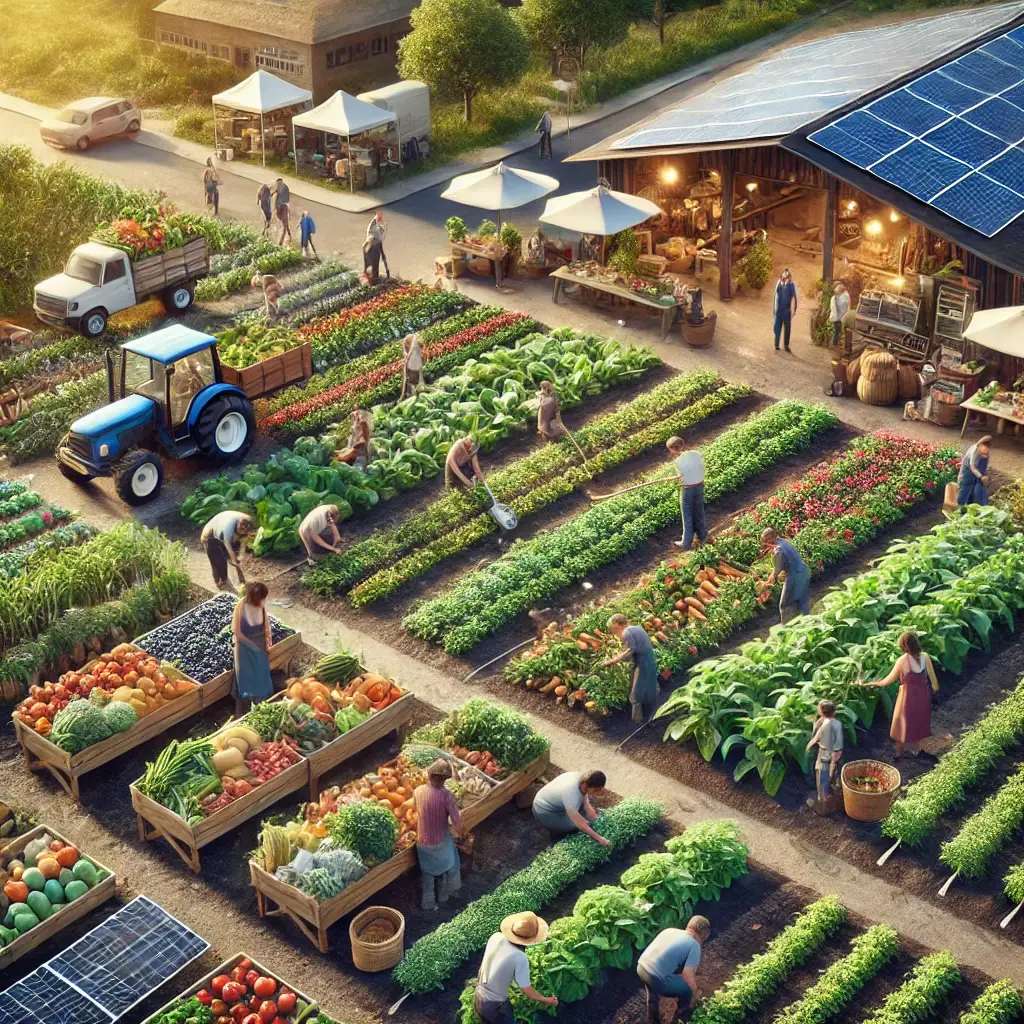
Food sustainability is at the forefront of global discussions about our planet’s future. It encompasses eco-friendly agricultural practices that are economically viable and socially responsible, ensuring we can feed our growing population while protecting the environment and supporting local communities. From farm to fork, sustainable food systems consider every aspect of food production, distribution, consumption, and waste management.
As we face unprecedented challenges like climate change, population growth, and environmental degradation, understanding and implementing food sustainability has never been more crucial. Let’s explore the fundamentals of food sustainability and how we can all contribute to a more sustainable food future.
Understanding Food Sustainability
Definition and Concept
Food sustainability focuses on meeting current food needs without compromising future generations’ ability to meet theirs. It’s built on three fundamental pillars:
- Environmental stewardship
- Economic viability
- Social responsibility
This integrated approach ensures that sustainable food systems protect ecosystems, support local economies, and promote fair labor practices while delivering nutritious food to consumers.
Why Food Sustainability Matters [1]
The importance of sustainable food systems cannot be overstated. Consider these critical factors:
- Global population is projected to exceed 10 billion by 2050, requiring a 60-70% increase in food production
- Traditional farming generates more greenhouse gas emissions than the transportation sector
- Agriculture consumes approximately 70% of the planet’s freshwater resources
- Nearly 9% of the world’s population currently faces food insecurity
These statistics highlight the urgent need for sustainable solutions in our food systems.
Sustainable Development in Food Systems
The Food Systems Approach
Sustainable development in food requires a holistic perspective that considers all aspects of the food system. The Wageningen University & Research model [2] identifies four crucial domains:
- Food Security: Ensuring sufficient food availability
- Healthy Diets: Promoting nutritional well-being
- Fair Cost Distribution: Supporting equitable economic practices
- Environmental Protection: Addressing climate change and biodiversity
Nine Key Strategies for Sustainable Development [3]
The United Nations Development Programme (UNDP) outlines nine essential strategies:
- Improve Food Systems Governance
- Implement bottom-up approaches
- Foster stakeholder collaboration
- Strengthen Social Protection
- Support vulnerable populations
- Enhance resource access
- Make Healthy Diets Accessible
- Promote nutritious options
- Reduce costs through subsidies
- Address Gender Inequality
- Empower women in agriculture
- Ensure equal representation
- Protect Ecosystems
- Preserve biodiversity
- Implement sustainable land use
- Reduce Climate Impact
- Adopt low-emission farming
- Promote carbon sequestration
- Reduce Fossil Fuel Dependency
- Increase renewable energy use
- Implement energy-efficient technologies
- Diversify Food Production
- Support local farming
- Reduce import dependency
- Strengthen Supply Chains
- Create direct producer-consumer connections
- Minimize intermediaries
Benefits of Sustainable Supply Chains [4]
Implementing sustainable supply chains offers multiple advantages:
Environmental Benefits:
- Reduced carbon footprint through local sourcing
- Decreased greenhouse gas emissions
Economic Benefits:
- Enhanced local farmer support
- Strengthened community economies
Social Benefits:
- Fresher, more nutritious food
- Improved transparency and consumer trust
Sustainable Business Models in Agrifood
Key Components
Successful sustainable business models incorporate:
- Circular Economy Principles
- Zero waste design
- Material reuse
- Natural system regeneration
- Regenerative Agriculture
- Soil health enhancement
- Biodiversity promotion
- Climate resilience
- Innovative Technologies
- Precision agriculture implementation
- IoT and AI integration
- Resource efficiency optimization
- Fair Trade Practices
- Ethical sourcing
- Fair compensation
- Community development
Success Stories
Explore case studies of businesses that have successfully integrated sustainability into their value proposition, creating lasting value for their customers. To design and lead similar initiatives, review Agribusiness Academy’s education programs, which provide strategic insights to develop truly sustainable supply chains tailored to your context.
Current Food Sustainability Trends
Industry-Shaping Trends
Several key trends are driving food sustainability:
- Plant-Based Movement
- Growing vegetarian/vegan markets
- Reduced environmental impact
- Precision Agriculture
- Technology-driven farming
- Resource optimization
- Urban Farming
- Vertical agriculture growth
- Local food production
- Waste Reduction
- Farm-to-fork efficiency
- Technology-based solutions
Consumer Behavior
Modern consumers increasingly:
- Demand transparency
- Support ethical brands
- Choose local producers
- Accept premium pricing for sustainable products
Challenges and Opportunities
Key Challenges
The industry faces several obstacles:
- Balancing production with environmental protection
- Adapting to climate change
- Managing food waste
- Ensuring fair compensation
- Accessing resources and financing
Growth Opportunities
Promising areas for development include:
- Technological innovation in farming
- Alternative protein markets
- Circular economy implementation
- Local food network expansion
Future Outlook
Expected Developments
The future of food sustainability will likely feature:
- Widespread agroecological practices
- Advanced technology integration
- Plant-based diet normalization
- Enhanced biodiversity focus
- Resilient local supply chains
Frequently Asked Questions
What is food sustainability?
Food sustainability refers to the ability to provide food for the current population without compromising the ability of future generations to meet their food needs. It involves environmentally friendly practices, economic viability, and social responsibility.
Why is food sustainability important?
Food sustainability is crucial because it addresses global challenges like climate change, resource depletion, and population growth. Sustainable practices ensure long-term food security and environmental health.
How can individuals contribute to food sustainability?
Individuals can support food sustainability by choosing local and seasonal foods, reducing food waste, supporting sustainable producers, and raising awareness about sustainable practices.
What are sustainable food systems?
Sustainable food systems are networks that produce food in a way that is environmentally sound, economically viable, and socially responsible. They consider every aspect from production to consumption and waste management.
Take the Next Step
If you’re ready to advance your career in food and agribusiness:
Explore Avila University’s Agribusiness Certificate Programs
Identify the certificate that aligns with your career stage
Connect with admissions advisors to plan your learning pathway
Learn more:
https://www.avila.edu/avila-agribusiness-programs/