India’s Agritech Sector: Trends, Innovations, and Lessons Learned
India’s agritech sector is undergoing a transformative shift, driven by technological advancements, increasing investment, and the need for sustainable farming practices. With a projected market size of $24 billion by 2025, agritech startups are gaining traction, offering solutions that enhance productivity, optimize supply chains, and empower farmers. However, challenges such as high costs, fragmented supply chains, and low digital literacy still hinder widespread adoption.
In this blog post, we explore India’s agritech investment trends, upstream and downstream innovations, biotech advancements, production efficiency breakthroughs, market intelligence platforms, and key case studies—highlighting both successes and failures.
Want to master the business side of agritech and food supply chains? Enroll in the Mini MBA in Sustainable Food Supply Chains— online program designed for professionals looking to drive innovation and sustainability in agribusiness.
🔗 Learn More & Enroll Here: Mini MBA in Sustainable Food Supply Chains
1. Agritech Investment Trends in India
The Indian agritech sector has seen rapid investment growth, with venture capital (VC) and private equity firms fueling its expansion.
Key Highlights of Agritech Funding:
- India’s agritech sector raised $1.33 billion across 139 deals between 2020 and mid-2022.
- In 2021, agrifood tech funding peaked at $3.6 billion, followed by $2.4 billion in 2022 amid global economic slowdowns.
- India is now the second-largest agritech investment market globally, surpassing China.
- Top investors include Sequoia, Accel, Omnivore, SoftBank, and Temasek.
While funding dipped in 2023 (down 60% to under $1 billion), investor interest remains strong, especially in upstream agritech solutions that directly impact farm productivity and market access.
2. Upstream and Downstream Investment Trends
Agritech investments are flowing into two major segments:
Upstream (Farm-Level Innovations)
Investment Growth: +50% YoY in 2022
- Agribusiness marketplaces & agri-fintech: $428 million raised in 2022.
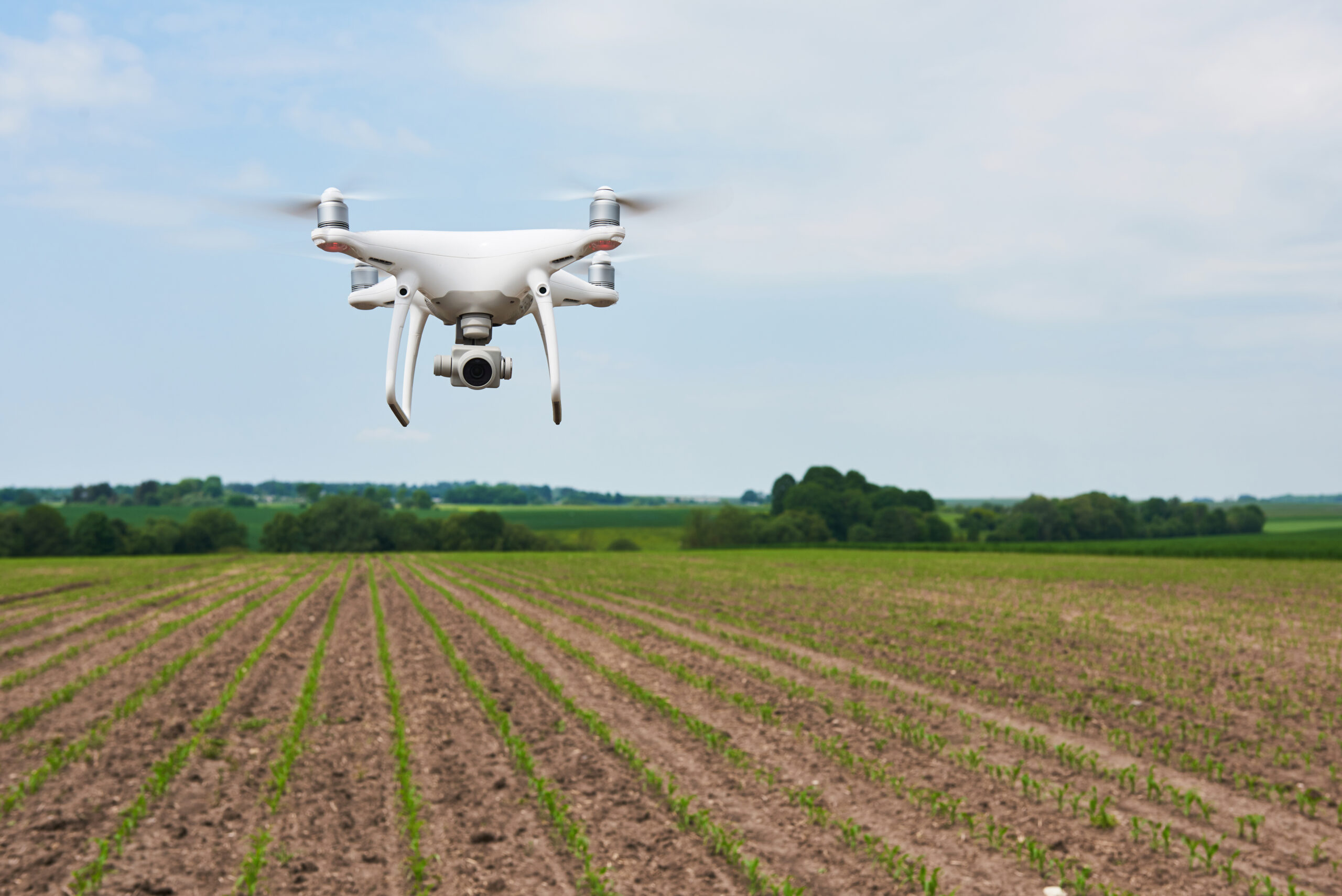
- Precision agriculture & farm automation: IoT-based irrigation, drone spraying, and AI-driven pest control.
- Sustainable farming: Increased funding for bio-fertilizers, soil health monitoring, and regenerative agriculture.
Downstream (Post-Harvest & Market Linkages)
Investment Decline: -37% YoY in 2022
- E-grocery platforms: Raised $776 million in 2022 but face consolidation.
- Food supply chain startups: Companies like Ninjacart optimize farm-to-market logistics.
- D2C agrifood brands: Growing interest in traceable, farm-to-table products.
While downstream agritech startups face saturation, upstream innovations are attracting more funding, as they solve fundamental yield, cost, and efficiency issues at the farm level.
3. Biotech Trends in Seeds, Fertilizers, and Crop Production
With climate change and food security concerns rising, biotech advancements are playing a key role in agriculture sustainability.
Latest Trends in Agri-Biotech:
- GM Crops: Approval of GM mustard (DMH-11) in 2022 marks a shift in India’s biotech policy.
- Bio-fertilizers & sustainable inputs: Startups like Sea6 Energy and String Bio are pioneering bio-based fertilizers.
- Precision breeding: Gene-editing techniques like CRISPR are being explored for drought-resistant crops.
- AI-powered pest control: Companies like Fasal integrate AI with real-time disease prediction.
The biotech revolution in Indian agriculture is paving the way for higher-yielding, climate-resilient crops with reduced dependency on chemical inputs.
4. Production Efficiency Innovations
Improving farm efficiency and resource utilization is a top priority for agritech startups.
Key Innovations in Farm Productivity:
- AI-powered advisory: ITC’s MAARS app provides hyper-local crop advisories.
- Smart irrigation: Fasal’s IoT system has saved 80 billion liters of water across 75,000 acres.
- Drones in farming: Drone spraying reduces pesticide use by 70% while increasing yields by 30%.
- Soil health management: AI-driven nutrient analysis helps optimize fertilizer use.
These innovations are enhancing productivity while ensuring sustainable farming practices.
5. Market Intelligence: B2B Marketplaces & Food E-Commerce
Agritech startups are disrupting the traditional mandi system by offering direct market access to farmers.
Notable Platforms Transforming Agri-Markets:
 Ninjacart: India’s largest fresh produce supply chain, moving 1,400+ tons daily. DeHaat: One-stop agritech platform serving 1.5 million farmers. e-NAM: India’s government-led digital mandi, connecting 17.7 million farmers to buyers. Otipy: Community-based fresh produce delivery, reducing food waste.
By eliminating middlemen and providing transparent pricing, these digital agrimarketplaces are increasing farmer incomes and reducing food wastage.
6. Agritech Case Studies: Success & Failures
Success Story: DeHaat
Challenges Overcome: Fragmented farmer base → Built a strong micro-entrepreneur network. Logistics issues → Invested in rural warehousing & data-driven supply chain. Farmer trust → Created hybrid (physical + digital) service model.
 Impact: Now serving 1.5 million+ farmers with a projected ₹2,300 crore revenue in FY23.
Failure Story: Greenikk
Challenges Faced: Over-expanded into agri-fintech → High loan defaults. Poor market validation → Product-market fit issues. Failed Series A funding → Cash flow crisis.
Lesson: Agritech startups must balance innovation with financial prudence.
7. Key Takeaways for the Future of Agritech in India
 Investment Focus is Shifting Upstream → More funding in input marketplaces, precision farming, and sustainability solutions.
 Biotech is Revolutionizing Agriculture → GM crops, AI-powered pest control, and bio-fertilizers are reshaping food production.
 Precision Agriculture is Scaling → IoT-based irrigation, drone spraying, and AI-driven advisory services are enhancing farm efficiency.
 Marketplaces Are Redefining Farm Economics → Digital agrimarketplaces like Ninjacart and e-NAM are connecting farmers directly to buyers.
 Fail Fast, Pivot Smartly → Agritech startups must ensure financial discipline, strong unit economics, and farmer-centric models.
Final Thoughts: Is Agritech the Future of Indian Agriculture?
With growing investments, increasing digital adoption, and breakthrough innovations, India’s agritech sector is poised for exponential growth.
However, scaling agritech solutions will require continued government support, financial backing, and localized implementation strategies. The next decade could see agritech transform Indian agriculture, making it more sustainable, profitable, and technologically advanced.
For entrepreneurs, investors, and policymakers, the opportunity is massive—but execution is key. 
Want to master the business side of agritech and food supply chains?
Take the Next Step
If you’re ready to advance your career in food and agribusiness:
Explore Avila University’s Agribusiness Certificate Programs
Identify the certificate that aligns with your career stage
Connect with admissions advisors to plan your learning pathway
Learn more:
https://www.avila.edu/avila-agribusiness-programs/
References:
- AgFunder Report on Agritech Investments (2023)
- NASSCOM & EY Agritech Study (2022)
- McKinsey India Agriculture Report (2023)
- Omnivore Agritech Investment Analysis (2022)
- AgriStartups Case Studies from DeHaat, Ninjacart, and Fasal