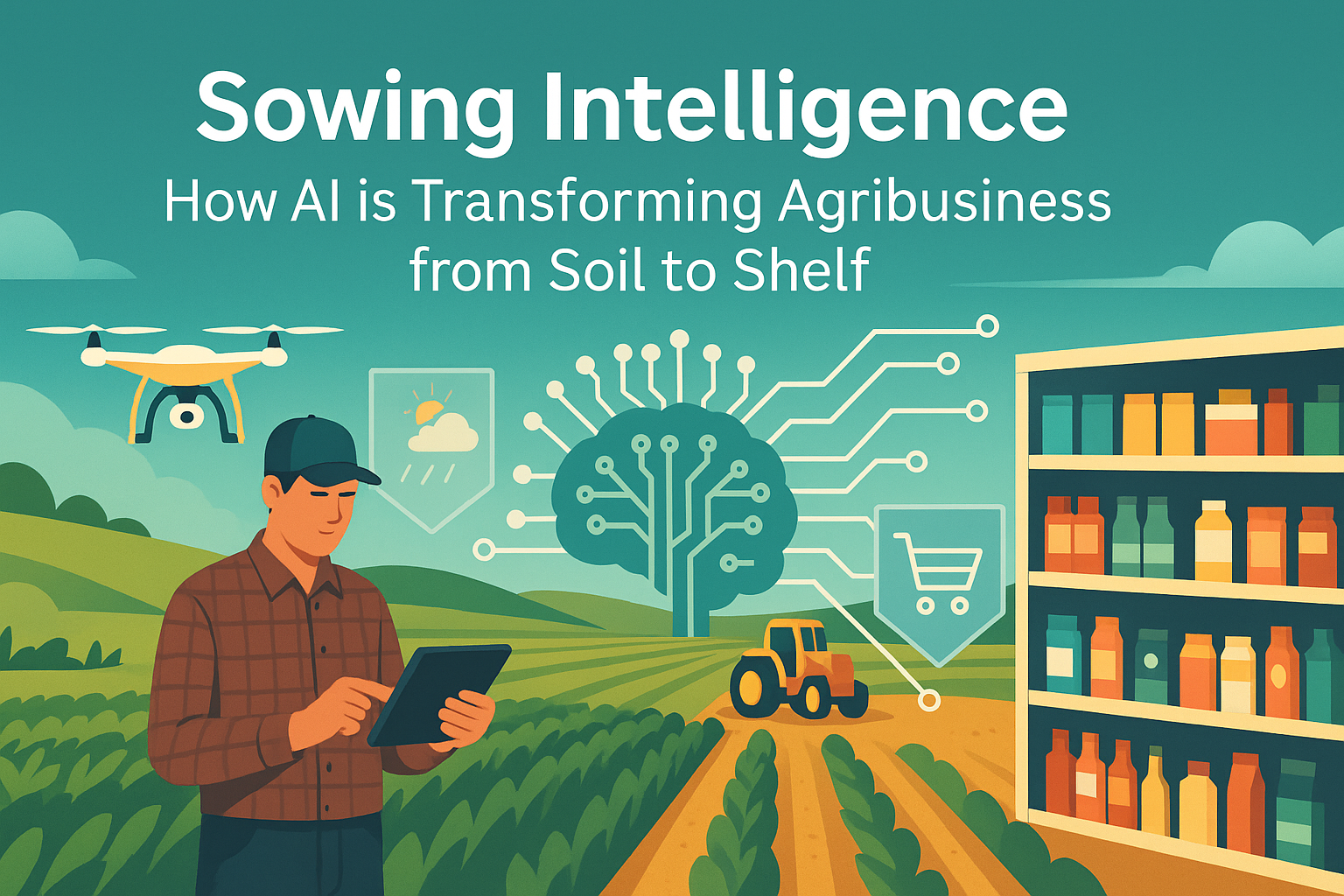
Sowing Intelligence: How AI is Transforming Agribusiness from Soil to Shelf
From remote fields to global food shelves, a quiet revolution is underway—driven not by fertilizers or fancy machines, but by algorithms and artificial intelligence. The future of food isn’t just about growing more—it’s about growing smarter. And AI is at the heart of this transformation.
At the Institute of Food and Agribusiness Leadership (IFAL) and Agribusiness Academy, we believe that AI won’t replace agribusiness professionals—but those who use it well will.
Let’s explore how AI is being woven into the fabric of agribusiness and what this means for leaders shaping the future of food.
🌍 Why Agribusiness Needs AI Now More Than Ever
The global food system is under pressure:
Climate change is making harvests unpredictable.
Labor shortages are straining production and logistics.
Consumer demands are rising for sustainability, traceability, and healthier foods.
Regulatory pressure is intensifying around safety and quality standards.
In this complex web, agribusinesses are expected to be productive, predictive, and profitable. AI is emerging as a powerful enabler to meet these demands—by turning raw data into real-time decisions across the value chain.
🚜 Where AI is Making an Impact: From Field to Fork
Let’s break down how AI is driving transformation at every stage:
1. Smart Farming & Crop Intelligence
AI-driven drones, IoT sensors, and satellite imagery now help farmers:
Monitor crop health
Detect pests and diseases early
Optimize irrigation and nutrient use
💡 Example: PEAT’s Plantix app diagnoses plant diseases using AI image recognition, empowering farmers in India and Africa.

💡 Example: IBM’s Watson Decision Platform combines weather, soil, and satellite data to deliver actionable insights to growers.
2. Predictive Agronomy and Weather Intelligence
AI algorithms analyze years of weather, soil, and yield data to:
Recommend optimal sowing and harvest times
Guide crop rotation
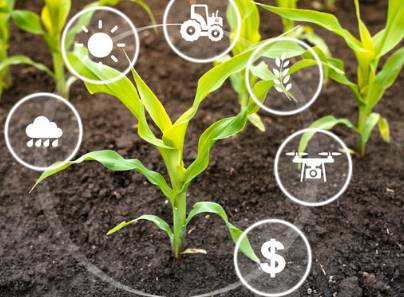
Source: Cropin Reduce risk from climate events
💡 Example: Cropin’s SmartFarm® platform provides end-to-end digital intelligence to agri-enterprises managing large farmer networks.
3. Supply Chain Optimization
AI enhances visibility and control over:
Crop aggregation and storage
Cold chain routing
Real-time demand-supply matching
Dynamic pricing strategies
💡 Example: ProducePay (USA) supports fresh produce exporters with AI-powered financing, market prediction, and trade analytics.
4. Food Processing & Quality Assurance
AI enables:
Automated sorting and grading
Detection of contaminants and foreign materials
Ensuring label accuracy and compliance
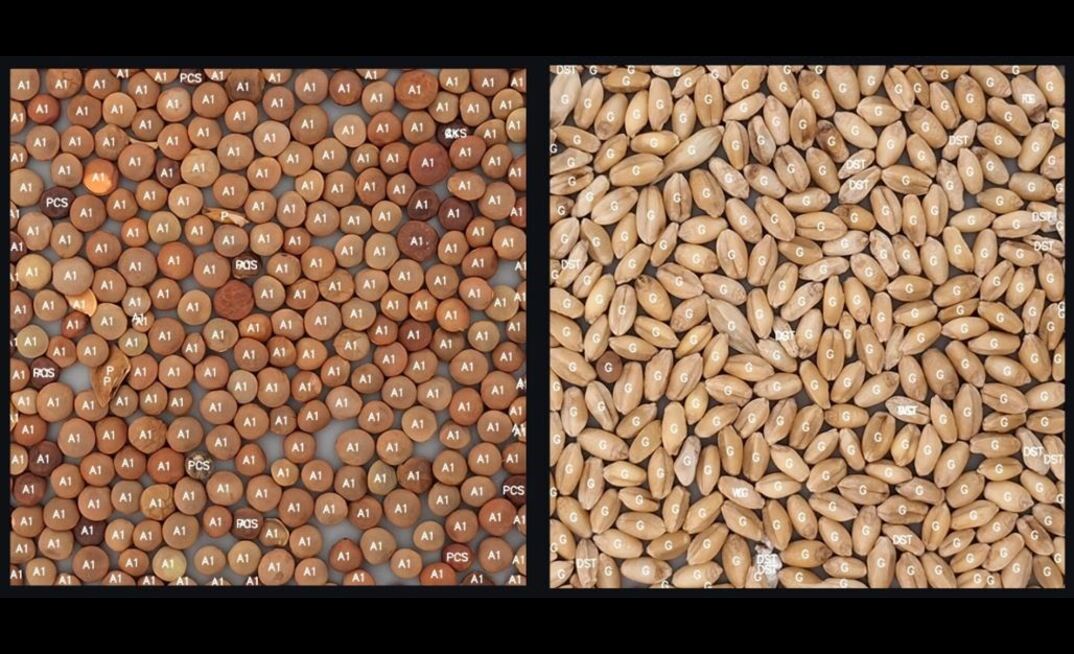
💡 Example: GoMicro and Intello Labs use AI-based computer vision to inspect fruits, grains, and packaged foods at scale.
5. Farmer Financing and Marketplace Intelligence
AI scores farmers for creditworthiness using transaction history, mobile usage, and weather risk—helping fintechs and agri-input firms offer inclusive services.
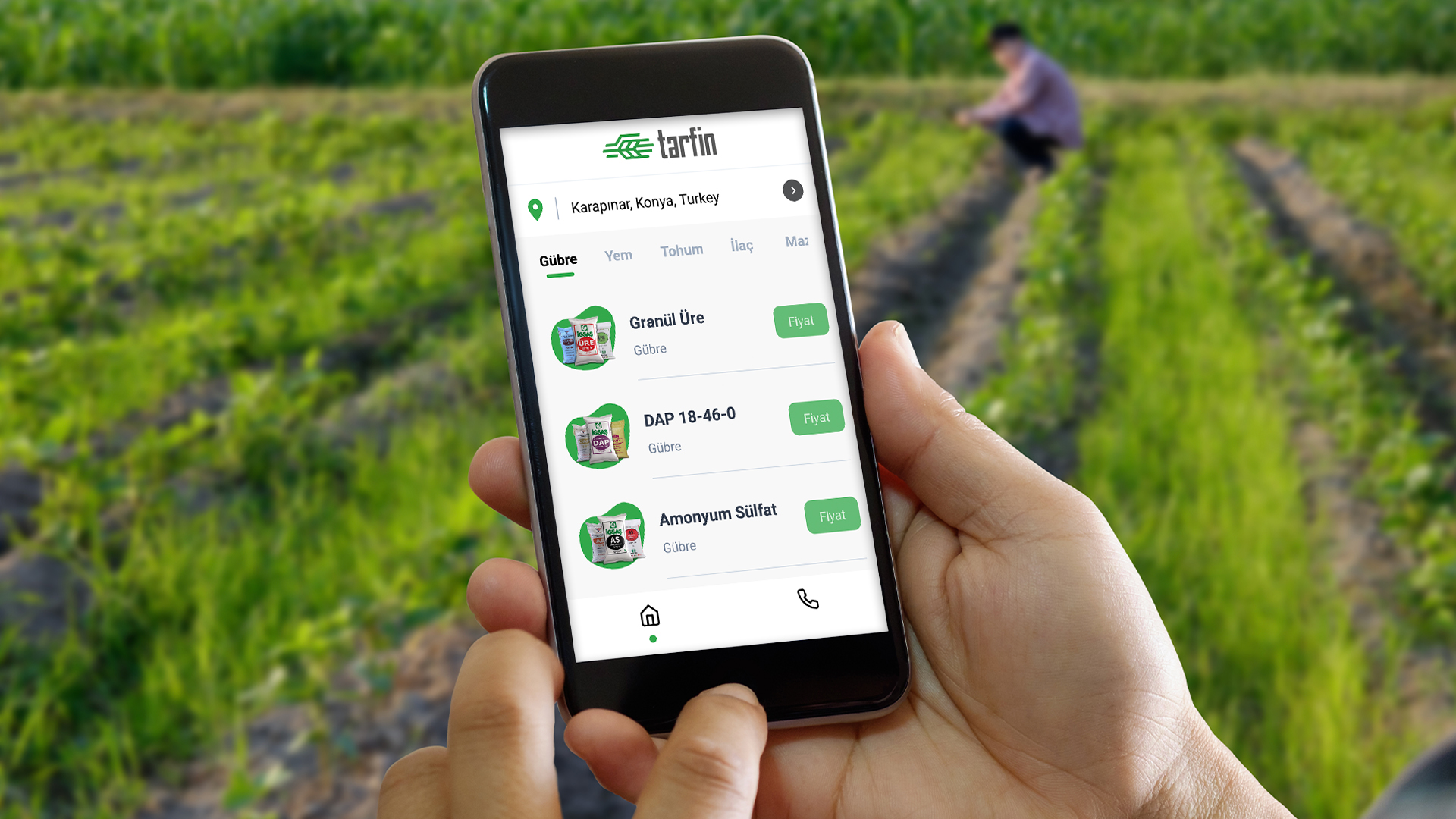
💡 Example: Tarfin (Turkey) uses machine learning to offer buy-now-pay-later input financing with minimal default risk.
6. Retail & Consumer Personalization
AI is reshaping how food is marketed and sold:
Predictive analytics for inventory and shelf planning
Personalization engines recommending functional and clean-label products
Sentiment analysis of consumer feedback

💡 Example: Oobli (USA), a sweet protein innovator, leverages AI to understand consumer health trends and formulate sugar alternatives.
💡 Example: NotCo (Chile) uses a patented AI called “Giuseppe” to reverse-engineer animal products using only plant ingredients.
💼 What Does This Mean for Agribusiness Professionals?
As AI reshapes roles and responsibilities, a new breed of professionals is emerging. These include:
AI-Powered Agronomists who can blend field experience with data insights
Agri AI Product Managers who define and deploy digital tools for farmers and processors
Quality Tech Managers who use computer vision to drive zero-defect operations
Supply Chain Analysts who combine logistics, demand sensing, and ESG metrics
You no longer need to be a coder—but understanding how AI tools work and how to integrate them into your decision-making is becoming non-negotiable.
⚠️ But It’s Not All Smooth Sailing: Challenges to Navigate
While AI holds immense promise, implementation isn’t easy:
Poor data quality can mislead models
High costs of sensors and devices can alienate smallholders
Farmer trust is crucial—AI must be explainable and not feel “black box”
Policy and ethics around data privacy and traceability need more clarity
The path forward requires building not just tech infrastructure—but also the human and institutional capability to make AI meaningful.
🎓 Learn to Lead the AI-Driven Agribusiness of Tomorrow
“AI won’t replace you—but someone using AI might.”
At IFAL, our Mini MBA in Sustainable Food Supply Chains prepares agribusiness professionals to:
Understand emerging technologies like AI, IoT, and blockchain
Use real business cases to connect AI with value chain innovation
Reimagine traditional models with digital and sustainability lenses
This program is designed not for coders—but for leaders who want to speak the language of innovation and impact.
🔑 Key Takeaways
AI is transforming agribusiness at every level—from soil sensing to supermarket analytics
Agribusiness leaders must understand AI’s strategic implications, not just the technical bits
New career paths are emerging at the intersection of agriculture, data, and sustainability
Business models that integrate AI can unlock better profits and stronger farmer outcomes
Now is the time to build your capability—and not get left behind
📚 References
Cropin: https://www.cropin.com
IBM AI in Ag: https://www.ibm.com/case-studies/agriculture
ProducePay: https://www.producepay.com
NotCo: https://www.notco.com
Oobli: https://www.oobli.com
Tarfin: https://www.tarfin.com
TOMRA Food: https://www.tomra.com/en/food
Intello Labs: https://intellolabs.com
Plantix by PEAT: https://plantix.net
Take the Next Step
If you’re ready to advance your career in food and agribusiness:
Explore Avila University’s Agribusiness Certificate Programs
Identify the certificate that aligns with your career stage
Connect with admissions advisors to plan your learning pathway
Learn more:
https://www.avila.edu/avila-agribusiness-programs/