Sustainable Packaging Innovations: Trends, Challenges, and Business Strategies
Table of Contents
- Introduction
- Trends and Innovations in Sustainable Packaging
- Edible and Biodegradable Packaging
- Reusable Packaging Systems
- Compostable and Plant-Based Materials
- Biodegradable Plastics
- Technological Innovations
- Market Growth and Investments
- Challenges of Adoption
- Conclusion & Next Steps
Introduction
As consumer demand for eco-friendly solutions rises and governments enforce stricter environmental regulations, food brands and packaging companies are transforming their approach. From biodegradable materials and refillable systems to cutting-edge recycling technologies, businesses that adapt will stay ahead in a rapidly evolving market.
For entrepreneurs and professionals looking to integrate sustainability into their supply chains, understanding key innovations, challenges, and business strategies is crucial. This blog explores the latest sustainable packaging solutions, investments in the industry, and strategies to build a future-proof business.
Want to master sustainable business models? Learn more about the Mini MBA in Sustainable Food Supply Chains to develop expertise in creating circular and profitable supply chains.
Trends and Innovations in Sustainable Packaging
1. Edible and Biodegradable Packaging
Innovators are developing packaging that disappears naturally or can even be consumed, eliminating waste at the source.
- Notpla – This London-based startup creates packaging from seaweed and plants. Their flagship product, Ooho, is a flexible sachet suitable for beverages and sauces, which is 100% edible and biodegrades in 4-6 weeks if not consumed.
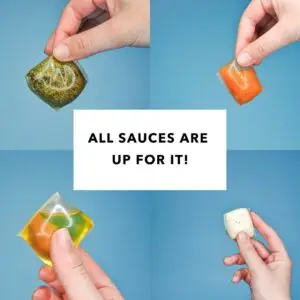
Source: https://eco-nnect.com/notpla/
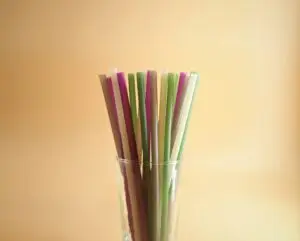
- Loliware – Specializing in seaweed-based straws, Loliware offers a sustainable alternative to plastic straws. Their products are designed to biodegrade quickly, reducing plastic waste.
Source: https://www.loliware.com/seaweed
2. Reusable Packaging Systems
Reusable models are gaining traction, reducing single-use plastic reliance.
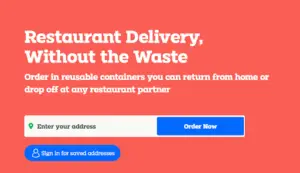
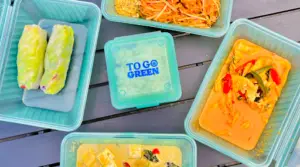
- To Go Green – Launched in Washington D.C., this startup partners with restaurants to provide reusable containers for takeout and delivery orders, aiming to minimize single-use plastic waste.
Source: https://togogreen.eco/
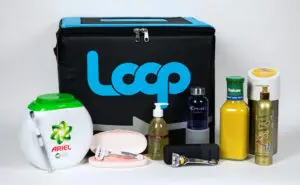
- Loop – An innovative platform that collaborates with brands and retailers to offer products in durable, reusable packaging. Consumers return the empty containers for cleaning and reuse, promoting a circular economy.
Source: CNN
3. Compostable and Plant-Based Packaging
Plant-based materials offer sustainable alternatives to traditional plastics.
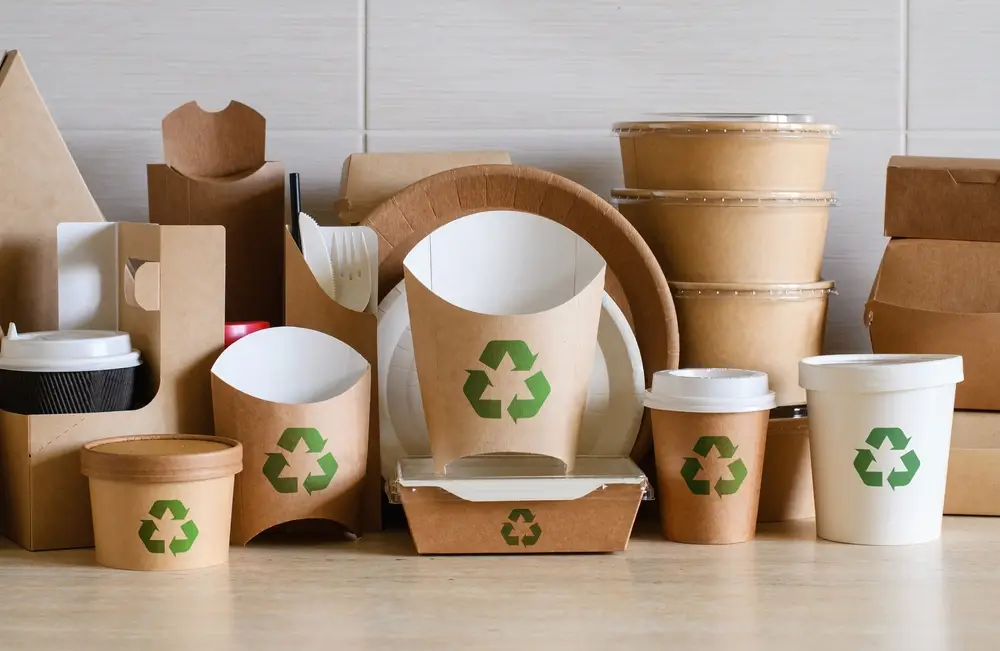
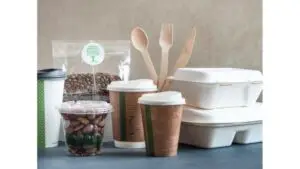
- Vegware – Based in Scotland, Vegware manufactures plant-based, compostable foodservice packaging. Their products are designed to be commercially composted with food waste, offering an eco-friendly alternative to traditional disposables
4. Biodegradable Plastics
New plastic alternatives are designed to break down in natural environments, tackling microplastic pollution.
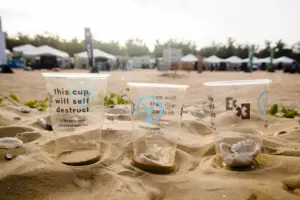
- Polymateria – A British company developing a biotransformation technology that allows plastics to biodegrade in natural environments without leaving microplastics. Their approach aims to address plastic pollution effectively’
5. Technological Innovations in Packaging
Advances in smart packaging are optimizing food safety and waste reduction.
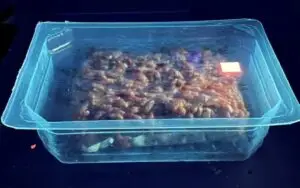
- Senoptica – An Irish startup developing sensors to detect spoilage in packaged meat, helping reduce food waste by ensuring products are consumed before they spoil.
Source: https://senoptica.com/senopticas-food-waste-busting-sensor-technology-gets-fda-approval/
Market Growth and Investments
The global sustainable packaging market is expanding rapidly:
- Market Value – Projected to grow from $272.93 billion (2023) to $448.53 billion by 2030, with a CAGR of 7.6%. (Source)
- Regional Growth – North America leads the market, while Asia-Pacific is expected to experience the fastest expansion. (Source)
- Material Focus – Paper-based packaging remains dominant, but biodegradable plastics and reusable materials are emerging trends.
Challenges in Adopting Sustainable Packaging
While the push for sustainability is strong, businesses face significant barriers:
- High Costs – Sustainable materials often come at a premium, affecting profit margins, especially for small and medium-sized enterprises. (Source)
- Recycling Infrastructure – Many regions lack efficient recycling systems, reducing the effectiveness of compostable or recyclable packaging. (Source)
- Consumer Behavior – While sustainability awareness is rising, many consumers are unwilling to pay more for eco-friendly packaging.
Winning Business Models & Strategies
Companies succeeding in sustainable packaging follow strategic models that align with market demands and consumer preferences:
 Circular Economy Initiatives – Brands like Loop and Algramo are building refill and reuse models, reducing waste. Material Innovation – Companies investing in biodegradable plastics and seaweed-based packaging are leading the market. Retail Partnerships – Supermarkets like Carrefour, Tesco, and Walmart are piloting zero-plastic solutions and compostable materials. Smart Technology Integration – QR codes, AI-based sensors (e.g., Senoptica), and advanced tracking improve packaging sustainability.
Conclusion & Next Steps
The sustainable packaging revolution is here, and businesses that integrate eco-friendly solutions now will gain a competitive advantage. Whether you’re an entrepreneur, food brand, or supply chain professional, adopting circular business models and innovative materials is key to long-term success.
Take the Next Step
If you’re ready to advance your career in food and agribusiness:
Explore Avila University’s Agribusiness Certificate Programs
Identify the certificate that aligns with your career stage
Connect with admissions advisors to plan your learning pathway
Learn more:
https://www.avila.edu/avila-agribusiness-programs/
Key Takeaways
 Sustainable packaging is a $448 billion market opportunity. Biodegradable, compostable, and reusable materials are leading the shift. Tech innovations (e.g., smart sensors, AI tracking) are enhancing packaging efficiency. Winning business models prioritize circular economies, partnerships, and material R&D.
The future of packaging is sustainable, smart, and circular. Is your business ready?