The Future of Indian Food Processing: What Startups Should Know
1. Introduction
India stands at a pivotal moment in its agri-food journey. As one of the world’s largest producers of food grains, fruits, vegetables, and dairy, the country has immense potential to lead the global food market. Yet, a significant portion of our agricultural output still gets wasted due to insufficient processing, storage, and value addition.
Food processing is no longer just about extending shelf life—it’s about transforming farmer incomes, reducing waste, creating jobs, improving nutrition, and building brands that represent India’s rich culinary heritage. For agribusiness professionals and startups, this is more than a sector—it’s a mission full of opportunity and responsibility.
🎓 Thinking of starting your own food brand or processing business?
Begin your journey with the Mini MBA in Food & Agribusiness.
This program equips future founders and professionals with practical business model thinking, value chain insight, and leadership tools tailored for the food sector.
Now, let’s explore how India’s food processing industry is evolving—and how you can become part of this transformation.
2. Why Food Processing Is Gaining Momentum
The Indian food processing industry is witnessing a confluence of tailwinds that make it an exciting space for entrepreneurs:
Evolving Consumer Preferences: There’s a rising appetite for convenient, healthy, and packaged foods, especially among urban millennials and Gen Z. Functional foods, ready-to-cook kits, and clean-label products are all gaining traction.
Export Demand: The global market is showing growing interest in Indian-origin products—from frozen vegetables and traditional snacks to millets, ghee, and spice mixes.
Food Security & Farmer Prosperity: Processing enables longer shelf life, value addition, and access to new markets—ensuring better returns to farmers while reducing food losses.
- Policy Push: The government has launched several initiatives such as the Production Linked Incentive (PLI) Scheme, Mega Food Parks, and PMFME (Pradhan Mantri Formalisation of Micro Food Processing Enterprises) to support infrastructure and formalization.
India’s focus on nutrition, sustainability, and agricultural income growth is converging around the food processing sector, making it ripe for innovation and investment.
3. Key Trends Shaping the Sector
 Health & Nutrition at the Core
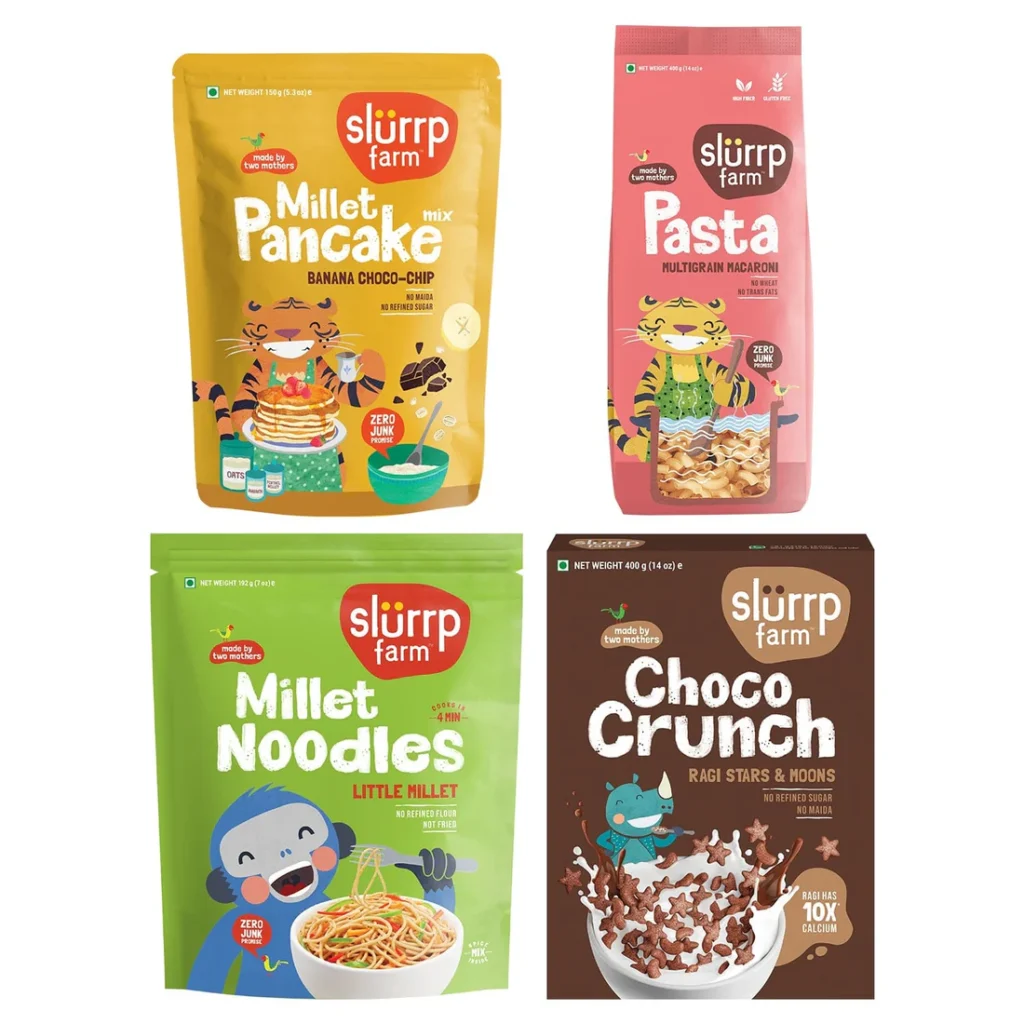
Consumers are making conscious choices—seeking high-protein, plant-based, low-sugar, gut-friendly, and functional foods. Startups like The Whole Truth, Nourish You, and Slurrp Farm are riding this wave with clean-label, nutrition-forward offerings.

Regional Indian Foods Go Global
From ready-to-eat poha to jackfruit biryani, India’s traditional foods are finding modern expressions and international audiences. Entrepreneurs tapping into regional diversity with thoughtful branding are finding success both domestically and abroad.

D2C Food Brands Are Booming
Direct-to-consumer (D2C) has become a powerful model. Brands like Farmley, iD Fresh, and Open Secret are leveraging e-commerce and social media to build trust and loyal communities around food.

Sustainability and Circular Economy Models
Whether it’s upcycling food waste, biodegradable packaging, or carbon-neutral production, sustainability is becoming a central brand differentiator and consumer demand.
Technology in Processing
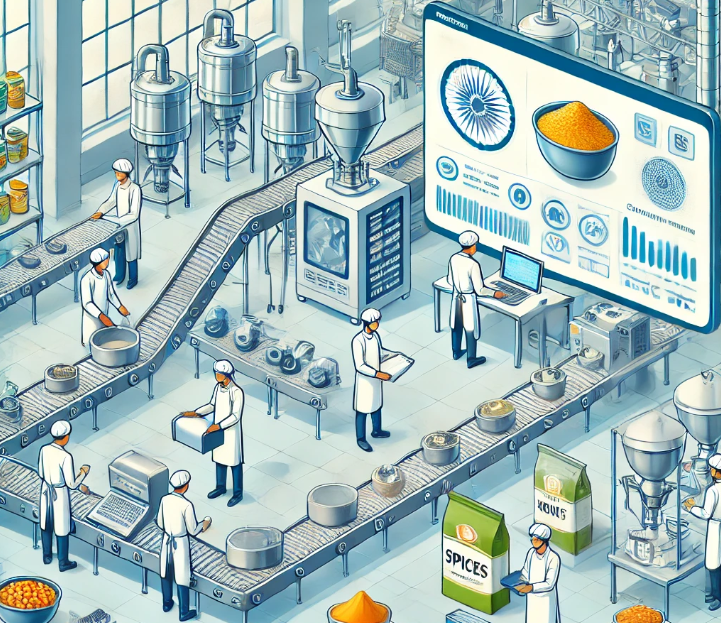
Smart cold chains, automation, IoT-based quality monitoring, and traceability tools are helping processing units improve efficiency and build consumer trust.
4. Challenges Startups Should Prepare For
While the sector is full of promise, it’s not without its pain points:
 Capital & Compliance
Processing businesses are capital-intensive and demand high-quality infrastructure. Getting FSSAI approvals, setting up HACCP systems, and managing inventory can be overwhelming for first-time founders.
Logistics & Cold Chain Gaps
Cold chain infrastructure, especially in Tier-2 and rural areas, is still underdeveloped—leading to post-harvest losses and inconsistent quality.
Fragmented Sourcing
Managing raw material quality while sourcing from smallholders is a major bottleneck. Building reliable, transparent, and traceable supply chains takes time and trust.
India’s Overdependence on Imported Ingredients
Despite our massive agri-base, India imports key ingredients for processed foods:
Edible Oils: Over 70% of edible oils in India are imported (Reuters, 2024), exposing startups to price volatility and geopolitical risk.
Specialty Ingredients & Nutraceuticals: Many clean-label food brands rely on imported pea protein, emulsifiers, and flavors due to lack of high-quality local alternatives.
This not only impacts cost structure but also questions the sustainability of “local” brands. Startups must explore sourcing from Indian agri-ecosystems and even work with farmers to cultivate these ingredients domestically.
Weak Business Models & Resource Wastage
Many startups fail not because of lack of demand, but due to:
Absence of a clear, scalable business model
Over-diversification too early
Inefficient resource utilization
5. Opportunities for Innovation
Despite the challenges, the white spaces in Indian food processing are immense:
Processing-as-a-Service: Modular or mobile food processing units that FPOs or rural entrepreneurs can access without heavy upfront investment.
Export-Ready Regional Products: There’s a global market for India’s heritage foods—millets, amla, pickles, turmeric, and more. These just need the right shelf-life tech and branding.
Sustainable Packaging & Shelf-life Innovations: Many Indian startups are developing natural preservatives and biodegradable packaging, creating opportunities for food-tech integrations.
Niche Categories: Millet-based baby foods, vegan traditional snacks, allergen-free ready meals—categories that are still underserved.
Waste-to-Value: Turning fruit peels, surplus grains, or vegetable byproducts into snacks, animal feed, or bio-based ingredients.
6. What Startups Should Focus On (Actionable Takeaways)
 Start with One Product & Scale Slowly
Avoid the temptation to diversify early. Focus on one hero product and validate it deeply.
Source Smart & Local
Build backward linkages with farmers or cooperatives. Work with ingredient suppliers who align with your quality and sustainability goals.
Invest in Compliance Early
Hygiene, food safety, and traceability aren’t optional. Prioritize certifications and SOPs from Day 1.
Understand Your Business Model
Clearly define your revenue streams, margins, working capital needs, and breakeven point. Revisit this regularly as you grow.
Build a Brand with Soul
In food, the story matters. Why you exist, where your food comes from, how you make it—it all builds consumer trust.
Leverage Policy Support
Use schemes like PMFME, PLI, and Agri Infra Fund to access grants, interest subsidies, and capital support.
7. Conclusion
India’s food processing story is just beginning. The sector holds the power to not just add value to produce—but to transform lives, boost exports, and create resilient food systems. For startups, this is the perfect time to combine traditional knowledge with modern tools and build the future of Indian food.
Whether you’re crafting a millet bar, creating clean dairy alternatives, or reimagining spice blends for the world—make sure your model is strong, your purpose is clear, and your operations are efficient.
Food is a tough but beautiful business. And those who get it right will nourish millions—and inspire millions more.
🚀 Ready to build your own food processing venture?
Take the Next Step
If you’re ready to advance your career in food and agribusiness:
Explore Avila University’s Agribusiness Certificate Programs
Identify the certificate that aligns with your career stage
Connect with admissions advisors to plan your learning pathway
Learn more:
https://www.avila.edu/avila-agribusiness-programs/