Agribusiness Value Chain Training: A Comprehensive Guide to Success
Estimated reading time: 11 minutes
Key Takeaways
- Agribusiness value chain training equips professionals with the skills to optimize agricultural production and distribution processes.
- Understanding agribusiness value chains is essential for identifying inefficiencies and maximizing profitability in the agricultural sector.
- Training enhances capabilities such as efficiency improvement, better decision-making, innovation adoption, and market awareness.
- Various types of agribusiness value chain training programs are available to meet different professional needs.
- Choosing the right training program involves considering factors like program relevance, curriculum quality, instructor expertise, and accessibility.
Table of contents
- Agribusiness Value Chain Training: A Comprehensive Guide to Success
- What is an Agribusiness Value Chain?
- Agribusiness Value Chain Fundamentals
- Understanding Agribusiness Value Chain Operations
- Importance of Agribusiness Value Chain Training
- Types of Agribusiness Value Chain Training Programs
- Choosing the Right Training Program
- Success Stories and Impact
- Conclusion
- Frequently Asked Questions
Agribusiness value chain training is a crucial educational approach that equips professionals with the knowledge and skills to optimize agricultural production and distribution processes. This specialized training focuses on understanding and improving the interconnected stages that bring agricultural products from farm to consumer, forming the backbone of successful agricultural enterprises.
Understanding agribusiness value chains is essential for business success in the agricultural sector. It enables stakeholders to identify inefficiencies, enhance productivity, and maximize profitability across the entire production and distribution network. Through proper training, professionals can develop the expertise needed to navigate complex agricultural systems effectively.
Source: Understanding the Agricultural Value Chain
What is an Agribusiness Value Chain?
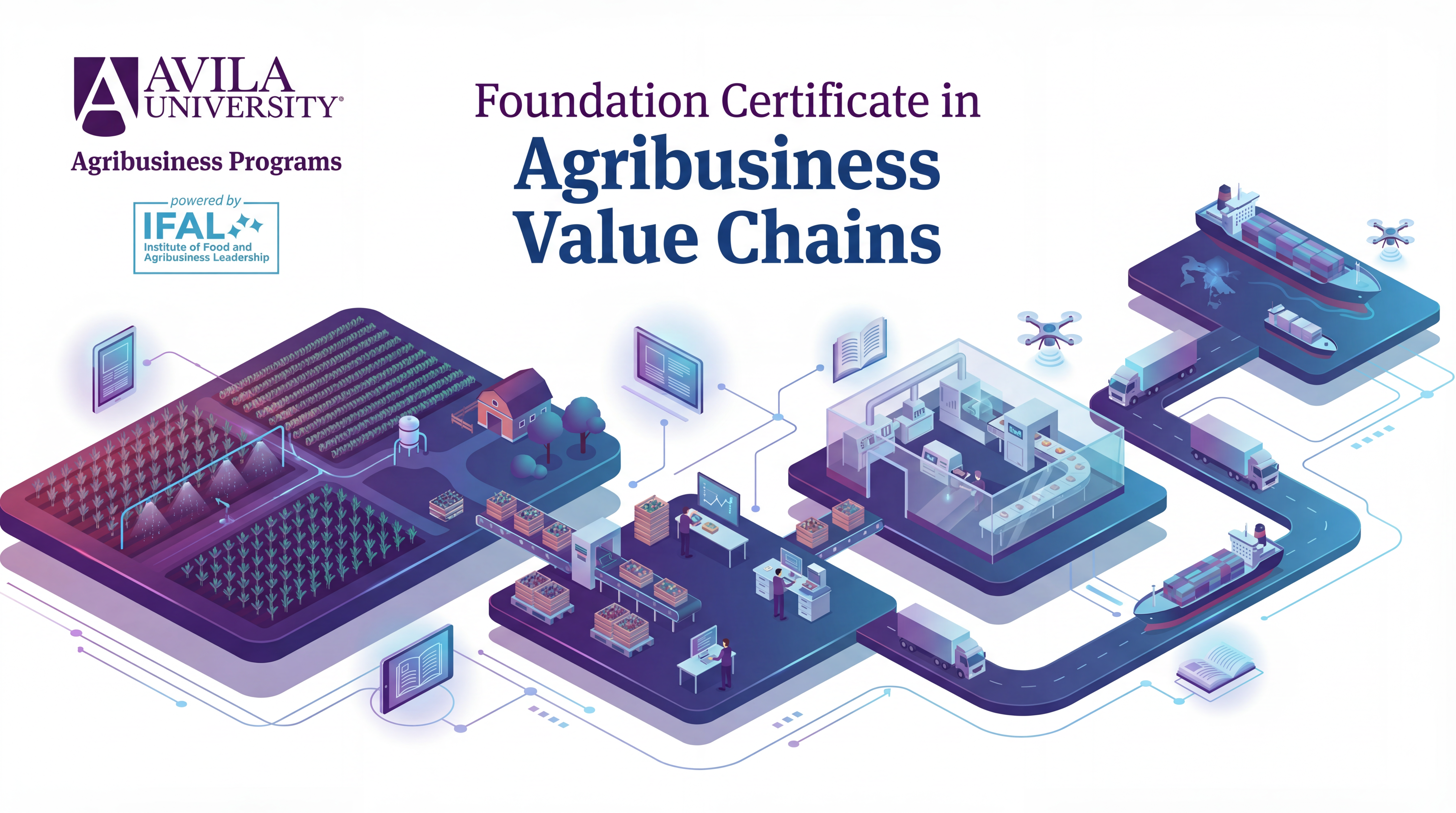
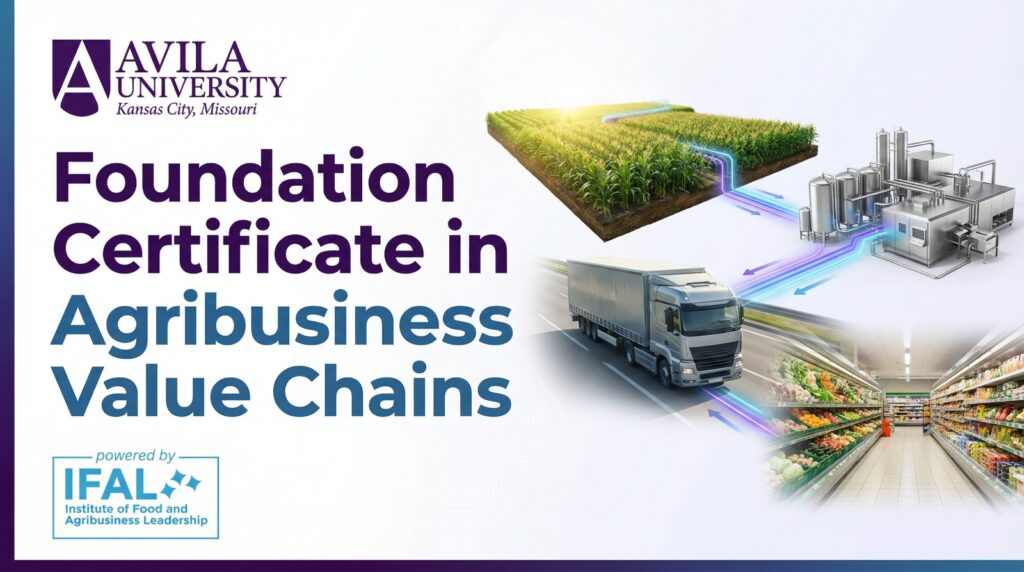
An agribusiness value chain encompasses the full range of activities required to bring an agricultural product from initial production to final consumption. This comprehensive network includes input supply, production, post-harvest processes, storage, processing, marketing, and distribution.
The main components of an agribusiness value chain include:
- Input Providers: Suppliers of seeds, fertilizers, equipment, and farming inputs
- Producers: Farmers and growers who cultivate crops and raise livestock
- Processors: Facilities that transform raw agricultural products into consumable goods
- Service Providers: Marketers, distributors, and logistics companies
Each link in the chain adds value to the output of the previous stage, creating a complex network of interdependent activities that work together to deliver final products to consumers.
Source: Agribusiness – Corporate Finance Institute
Agribusiness Value Chain Fundamentals
Understanding the basic principles that govern agribusiness value chains is crucial for success:
Basic Principles:
- Integration of Activities
- Seamless coordination from production to consumption
- Synchronized operations across all stages
- Value Addition
- Creating value at each stage
- Enhancing product quality and market appeal
- Efficiency and Cost-effectiveness
- Streamlining operations
- Reducing waste and operational costs
- Stakeholder Coordination
- Collaborative efforts among participants
- Clear communication channels
- Adaptability
- Responding to market demands
- Adjusting to environmental changes
Key Elements:
- Production: Farming activities including planting, nurturing, and harvesting
- Processing: Converting raw materials into finished products (learn more)
- Distribution: Logistics and transportation systems
- Marketing: Strategies to promote and sell products (read about essential skills)
Source: Understanding the Agricultural Value Chain
Understanding Agribusiness Value Chain Operations
The agribusiness sector operates through complex interactions among various stakeholders. These operations are influenced by several key factors:
Market Influences:
- Consumer Demand: Driving production decisions and methods
- Technological Advancements: Improving efficiency and productivity
- Regulatory Environment: Shaping operational practices
- Global Trade Dynamics: Impacting local agricultural practices
Stakeholder Interactions:
Product Flow:
- Movement of goods from producers to consumers
- Quality control and preservation methods
Information Flow:
- Data sharing for decision-making
- Market intelligence and forecasting
Financial Flow:
- Transactions between chain participants
- Investment and funding mechanisms
Source: Agriculture Industry Value Chain Deep Dive
Importance of Agribusiness Value Chain Training
Training plays a vital role in optimizing value chain operations through:
Enhanced Capabilities:
- Efficiency Improvement
- Streamlined processes
- Reduced waste and costs
- Better Decision-Making
- Data-driven choices
- Strategic planning skills (discover top skills)
- Innovation Adoption
- New technologies integration
- Modern farming practices (explore sustainable farming)
- Strengthened Coordination
- Improved stakeholder communication
- Enhanced collaboration
- Market Awareness
- Understanding consumer trends
- Adapting to market changes
Professional Benefits:
- Ability to identify and address operational bottlenecks
- Skills to implement innovative solutions (learn more)
- Capacity to drive continuous improvement
Source: The Importance of Training for Agric Stakeholders
Types of Agribusiness Value Chain Training Programs
Various training options are available to meet different needs:
Training Formats:
- Workshops and Seminars
- Focused, intensive learning
- Specific topic coverage
- Short-term commitment
- Online Courses
- Flexible learning schedule
- Remote access
- Self-paced progress
- University Programs
- Comprehensive education
- Academic credentials
- In-depth knowledge
- Industry-Specific Training
- Sector-focused content
- Practical applications
- Specialized skills
- On-the-Job Training
- Hands-on experience
- Direct application
- Mentorship opportunities
Content Areas:
- Supply Chain Management
- Agricultural Economics
- Sustainable Farming (learn about sustainable practices)
- Data Analytics
- Market Analysis
Source: The Importance of Training for Agric Stakeholders
Choosing the Right Training Program
Consider these factors when selecting an agribusiness value chain training program:
Selection Criteria:
- Program Relevance
- Alignment with sector needs
- Practical application potential
- Curriculum Quality
- Comprehensive content
- Updated information
- Industry standards
- Instructor Expertise
- Professional experience
- Industry connections
- Teaching capability
- Program Recognition
- Industry accreditation
- Professional certification
- Market value
- Accessibility
- Schedule flexibility
- Location convenience
- Learning format
- Investment Value
- Cost considerations
- Expected returns
- Career advancement potential
Success Stories and Impact
Real-world examples demonstrate the value of proper training:
Case Studies:
- Smallholder Farmers in Africa
- Increased crop yields
- Improved market access
- Higher income generation
- Large Agribusiness Corporations
- Enhanced supply chain efficiency
- Reduced operational costs
- Improved sustainability
- Agricultural Cooperatives
- Stronger market position
- Better negotiating power
- Increased member benefits (read their journey)
Source: Understanding the Agricultural Value Chain
Take the Next Step
If you’re ready to advance your career in food and agribusiness:
Explore Avila University’s Agribusiness Certificate Programs
Identify the certificate that aligns with your career stage
Connect with admissions advisors to plan your learning pathway
Learn more:
https://www.avila.edu/avila-agribusiness-programs/
Additional Resources
For further learning:
- FAO’s Sustainable Food Value Chains Platform
- World Bank Agricultural Resources
- CGIAR Research Programs
- Agricultural Economics Journals
These resources offer valuable insights and guidance for continued professional development in agribusiness value chain management.
Frequently Asked Questions
What is the agribusiness value chain?
The agribusiness value chain refers to the series of activities involved in bringing agricultural products from production to consumption, adding value at each stage.
Why is training important in agribusiness value chains?
Training equips professionals with the skills to optimize operations, improve efficiency, and adapt to market changes, leading to increased profitability and sustainability.
What types of training programs are available?
Training programs range from workshops and online courses to university degrees and industry-specific certifications, catering to various professional needs.
How do I choose the right training program?
Consider factors like program relevance, curriculum quality, instructor expertise, accessibility, and investment value when selecting a training program.
What are the benefits of agribusiness value chain training?
Benefits include improved efficiency, better decision-making, innovation adoption, strengthened stakeholder coordination, and enhanced market awareness.