AI in Agriculture in Africa: Revolutionizing Farming for the Future
Estimated reading time: 8 minutes
Key Takeaways
-
- AI technologies are transforming African agriculture by enhancing efficiency, sustainability, and food security.
-
- The integration includes machine learning, computer vision, robotics, and data analytics.
-
- AI addresses challenges such as climate change, resource constraints, and growing food demands.
-
- Key applications include precision farming, predictive analytics, and mobile advisory services.
- Case studies like Hello Tractor, Apollo Agriculture, and Microsoft FarmBeats showcase AI’s impact.
Table of Contents
The integration of Artificial Intelligence (AI) in agriculture across Africa is catalyzing an unprecedented transformation in farming practices, creating new opportunities for efficiency, sustainability, and food security. With agriculture employing over 60% of the African workforce and contributing approximately 23% to the continent’s GDP, the adoption of AI technologies represents a pivotal shift in how farming is approached across the continent. https://learning.agribusiness.academy/top-10-skills-you-need-to-succeed-in-the-agribusiness-industry/
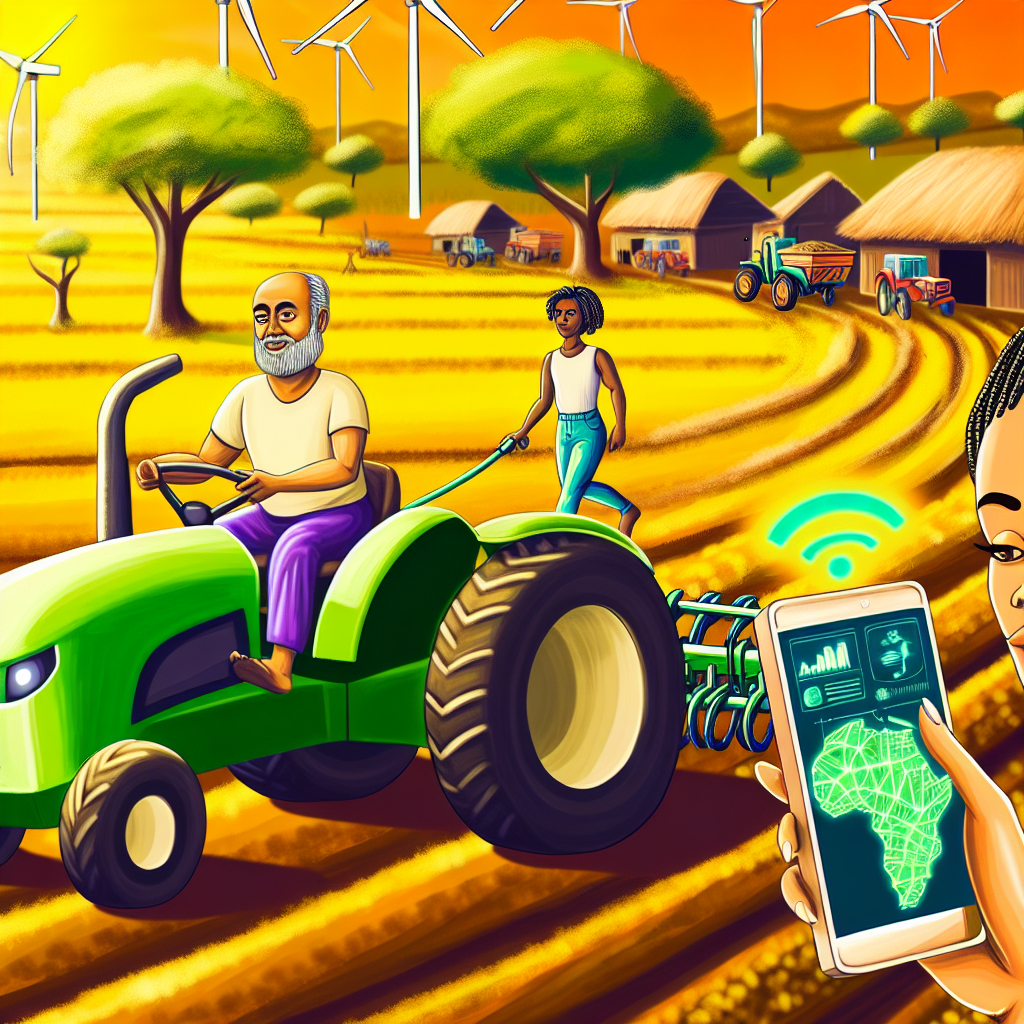
AI in agriculture in Africa encompasses the application of cutting-edge technologies—including machine learning, computer vision, robotics, and data analytics—to enhance farming practices and increase agricultural productivity. This technological revolution comes at a crucial time, as the continent faces mounting challenges from climate change, resource constraints, and growing food security concerns.
In this comprehensive guide, we’ll explore how AI is reshaping African agriculture, examining its current applications, benefits, and future potential in creating sustainable and efficient farming systems.
Understanding AI in Agriculture
Artificial Intelligence in agriculture represents a fundamental shift in how farming operations are conducted. At its core, AI involves the simulation of human intelligence processes by machines, particularly computer systems, enabling learning, reasoning, and self-correction capabilities.
Key Components of Agricultural AI:
-
- Machine Learning (ML): Algorithms that analyze vast amounts of agricultural data to identify patterns and make informed decisions about crop management.
-
- Computer Vision: Technology that enables machines to interpret visual data, crucial for crop monitoring and disease detection.
- Robotics and Automation: AI-powered machines that perform various farming tasks autonomously. https://learning.agribusiness.academy/business-of-agritech-innovation
The Role of AI in African Agriculture
1. Precision Farming
-
- Targeted application of water, fertilizers, and pesticides
-
- Optimization of resource utilization
- Reduction of waste and environmental impact
2. Predictive Analytics
-
- Weather forecasting for improved planning
-
- Market trend analysis for better decision-making
- Yield prediction and optimization
3. Mobile Advisory Services
-
- AI-powered apps providing personalized farming advice https://learning.agribusiness.academy/digital-agriculture-smallholders-guide
-
- Real-time support for smallholder farmers
- Access to expert knowledge and best practices
https://www.mckinsey.com/industries/agriculture/our-insights/agriculture-ai-farming-the-future
How AI is Used in Agriculture in Africa
The practical applications of AI in African agriculture are diverse and increasingly sophisticated, with several key areas of implementation:
Precision Farming Techniques:
-
- Drone and Satellite Imagery
-
- High-resolution field mapping
-
- Crop health monitoring
-
- Early detection of pest infestations
- Example: Aerobotics in South Africa provides tree crop analytics using AI-powered drone imagery
-
- Drone and Satellite Imagery
-
- Soil Sensors and Analytics
-
- Real-time soil moisture monitoring
-
- Nutrient level tracking
- Automated irrigation management
-
- Soil Sensors and Analytics
- GPS-Guided Equipment
-
- Precise planting patterns
-
- Optimal harvesting routes
- Reduced overlap and waste
-
AI-Driven Data Analytics:
-
- Yield Prediction: Machine learning models analyze historical data and current conditions to forecast crop yields
-
- Weather Forecasting: AI provides localized weather predictions for improved farming decisions
- Crop Recommendations: AI suggests optimal crop varieties based on local conditions and market demand
Notable Case Studies:
-
- Hello Tractor (Nigeria)
-
- AI-powered platform connecting farmers with tractor services
-
- Optimized equipment routing and scheduling
- Increased mechanization access for smallholder farmers
-
- Hello Tractor (Nigeria)
-
- Apollo Agriculture (Kenya)
-
- Uses satellite imagery and machine learning for credit scoring
-
- Provides data-driven farming recommendations
- Enables access to financing for farm inputs
-
- Apollo Agriculture (Kenya)
- Microsoft FarmBeats (Kenya)
-
- Combines IoT sensors with AI for comprehensive farm monitoring
-
- Provides actionable insights for improved decision-making
- Enables precision agriculture at scale
-
https://hellotractor.com/impact/
Transforming Agriculture Through AI
The impact of AI on African agriculture is manifesting in several key areas:
Productivity and Efficiency Gains:
-
- Automated operations reducing labor requirements
-
- Optimized resource usage leading to cost savings https://learning.agribusiness.academy/path-to-profitability-agribusiness
- Improved crop yields through precise management
Pest and Disease Management:
-
- Early Detection
-
- AI-powered image analysis for disease identification
-
- Real-time monitoring and alerts
- Reduced crop losses
-
- Early Detection
- Predictive Modeling
-
- Pest outbreak forecasting
-
- Disease spread prediction
- Targeted intervention strategies
-
Resource Optimization:
-
- Smart irrigation systems reducing water waste
-
- Precise fertilizer application minimizing environmental impact
- Predictive maintenance reducing equipment downtime
https://www.nature.com/articles/s41538-021-00082-7
Take the Next Step
If you’re ready to advance your career in food and agribusiness:
Explore Avila University’s Agribusiness Certificate Programs
Identify the certificate that aligns with your career stage
Connect with admissions advisors to plan your learning pathway
Learn more:
https://www.avila.edu/avila-agribusiness-programs/