How CPG Brands Are Disrupting the U.S. Market: 6 Powerful Lessons for Agribusiness Entrepreneurs
🧠 Introduction: The CPG Revolution Every Agribusiness Entrepreneur Needs to Understand
The U.S. consumer packaged goods (CPG) industry is undergoing a transformation — and it’s not being led by traditional food giants. Instead, agile, purpose-driven CPG startups are dominating with wellness-focused, functional, and mission-based products that meet today’s evolving consumer needs.
This shift presents a golden opportunity for agribusiness entrepreneurs: to transform raw commodities into branded, high-value products for the U.S. market — and to do it sustainably, ethically, and profitably.
The Mini MBA in Sustainable Food Supply Chains gives you the tools to build and scale an ethical, future-ready food brand.
Join today and learn how to turn agricultural products into premium CPG offerings that stand out in the U.S. market.
🔑 6 Key Lessons from Successful CPG Brands in the U.S. Market
1. 🎯 Start with a Clear Functional Benefit
Winning CPG brands solve a specific problem — not just hunger. From gut health to mental focus, the most successful products are built around targeted outcomes.
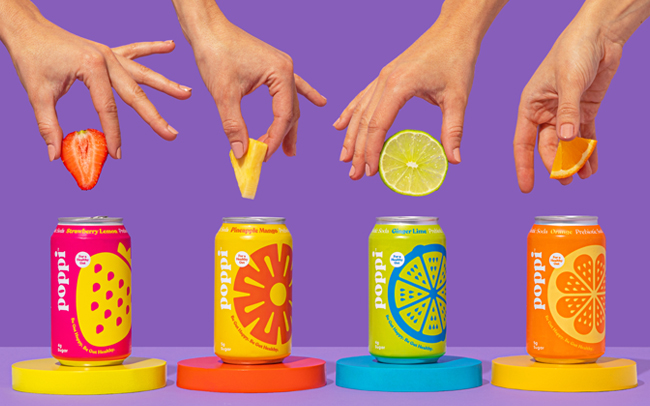
Example: Prebiotic sodas like Poppi attract health-savvy consumers with a clear gut-health proposition wrapped in bold branding.
Agribusiness Insight: Whether you’re working with ancient grains or superfoods, define the benefit clearly. Does it boost energy? Support immunity? That’s your value prop.
2. 🛒 Validate Your Product Through Direct-to-Consumer Channels
Smart CPG brands test early through DTC platforms like Amazon or Shopify. This allows them to collect feedback, tweak messaging, and refine the product before hitting retail shelves.
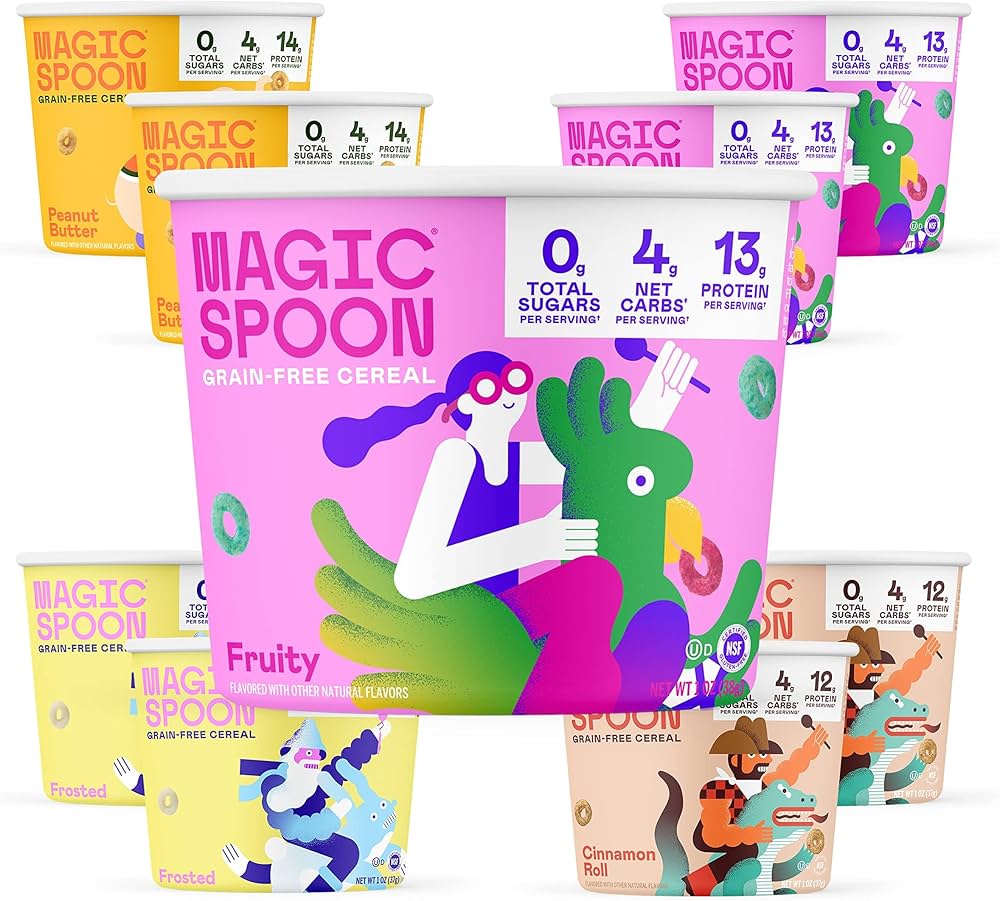
Example: Brands like Magic Spoon and Verb Energy used DTC sales to generate buzz, validate price points, and create loyal fanbases before retail expansion.
Agribusiness Insight: Start lean. Let your early buyers help shape the best version of your product — and your story.
3. 🔁 Iterate Rapidly to Reach Product-Market Fit
In the fast-paced U.S. market, iteration is everything. Even top-performing brands go through dozens of packaging, flavor, and ingredient revisions before they hit their stride.
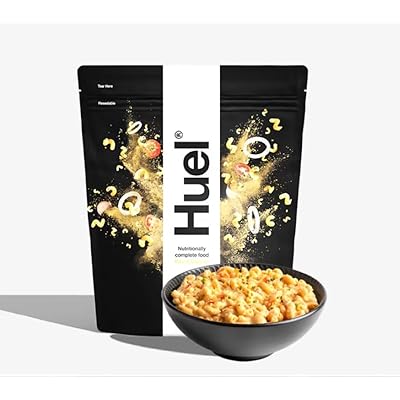
Example: Meal replacement brands like Huel frequently adjust formats and formulations based on consumer feedback and dietary trends.
Agribusiness Insight: Use your first few launches as learning moments — not perfection points. Don’t wait for flawless, wait for feedback.
4. 🧼 Keep It Simple, Clean, and Convenient
Busy professionals — a key CPG demographic — want clean-label, low-sugar, and grab-and-go products. Simplicity sells.
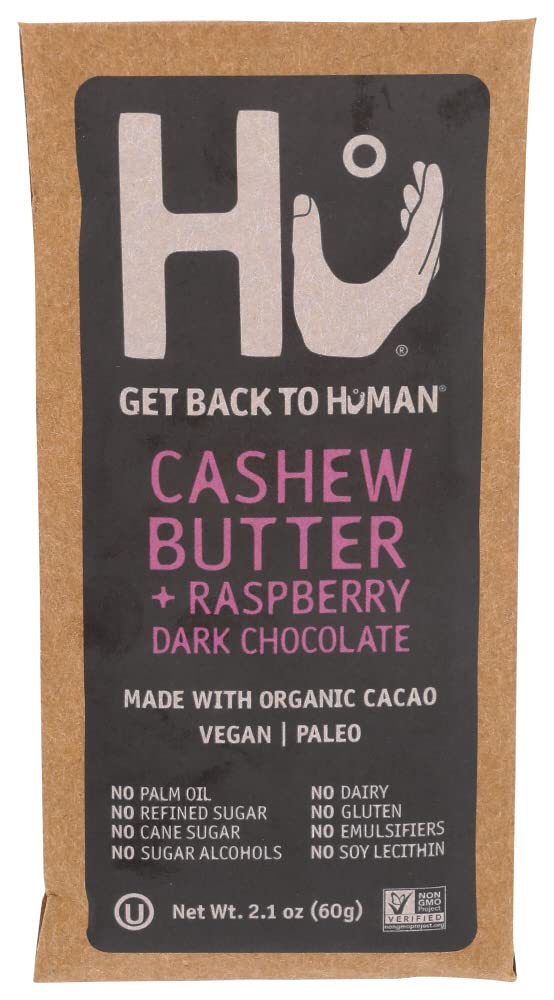
Example: Hu Kitchen built a cult following with chocolate that had minimal ingredients and maximum clarity.
Agribusiness Insight: Highlight your ingredient’s purity and your product’s convenience. Less is more — especially when you’re introducing something new.
5. 🌍 Purpose Is a Competitive Advantage
Today’s consumers align with brands that reflect their values — sustainability, transparency, and global impact.
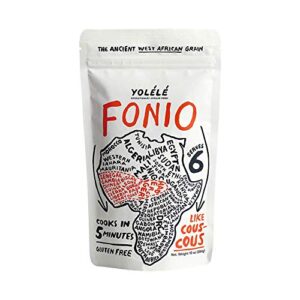
Example: Yolele, a brand centered around fonio, not only sells a grain but supports smallholder West African farmers through infrastructure investment.
Agribusiness Insight: If your supply chain empowers communities or supports regenerative farming, make that part of your core story — authentically and visually.
6. 📦 Innovate Through Form Factor, Not Just Ingredients
Sometimes the breakthrough isn’t what you’re selling — it’s how you’re selling it. Innovation often lies in format.
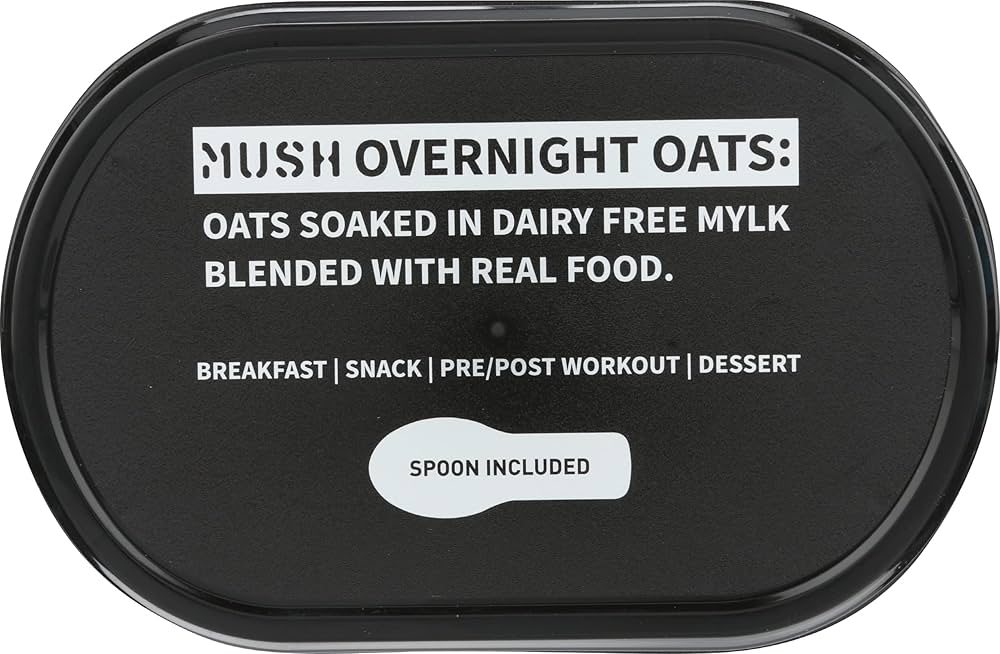
Example: MUSH turned old-school oats into a refrigerated grab-and-go snack. It’s still oats — just made modern.
Agribusiness Insight: Can your crop become a flour? A bar? A tea? A spread? The form factor unlocks market entry.
🌾 Final Thoughts: Why Agribusiness Entrepreneurs Are the Next CPG Disruptors
The next big food brands won’t just come from Silicon Valley — they’ll come from fields, co-ops, and agri-startups that understand how to create value from soil to shelf.
Whether you’re growing chickpeas, cassava, jackfruit, or millet — the U.S. market is ready for your story, your product, and your mission.
But it takes more than a great crop to build a great brand. It takes strategy, education, and systems thinking.
✅ Key Takeaways
-
Modern CPG success is rooted in solving specific consumer problems — such as energy, gut health, or mental clarity — through functional, convenient products.
-
Direct-to-consumer channels are essential testing grounds for refining product-market fit, collecting real feedback, and building early traction.
-
Agribusiness entrepreneurs are uniquely positioned to transform raw agricultural goods into premium, branded CPG products.
-
Clean, simple, and purpose-driven messaging wins in a saturated U.S. market — especially when paired with ethical sourcing and impact storytelling.
-
Innovative form factors can redefine familiar ingredients, creating entirely new use cases and expanding consumer reach.
-
Education in supply chain and go-to-market strategy is critical — success in agribusiness today means thinking like a brand builder, not just a producer.
📚 References & Further Reading
-
NielsenIQ – How Functional Foods Are Reshaping CPG
-
McKinsey & Company – The Future of the Consumer Packaged Goods Industry
-
CB Insights – Why Direct-To-Consumer Is the Future of Food
-
Harvard Business Review – How to Build a DTC Brand That Lasts
-
Y Combinator – How to Start a CPG Company (Startup School Lecture)
Take the Next Step
If you’re ready to advance your career in food and agribusiness:
Explore Avila University’s Agribusiness Certificate Programs
Identify the certificate that aligns with your career stage
Connect with admissions advisors to plan your learning pathway
Learn more:
https://www.avila.edu/avila-agribusiness-programs/