The Future of Food Supply Chains: How Sustainability is Shaping the Global Food Industry
Estimated reading time: 6 minutes
Key Takeaways
-
- Sustainability is the key driver reshaping global food supply chains.
-
- Food production accounts for one-third of global carbon emissions, highlighting the urgent need for change.
-
- Implementing sustainable sourcing strategies builds more resilient and transparent supply chains.
-
- Advancements in AgriFoodTech enhance efficiency and sustainability in the food industry.
-
- Training and education are critical for implementing effective sustainability practices.
- A holistic approach to food sustainability considers environmental, economic, and social dimensions.
Table of contents
Introduction
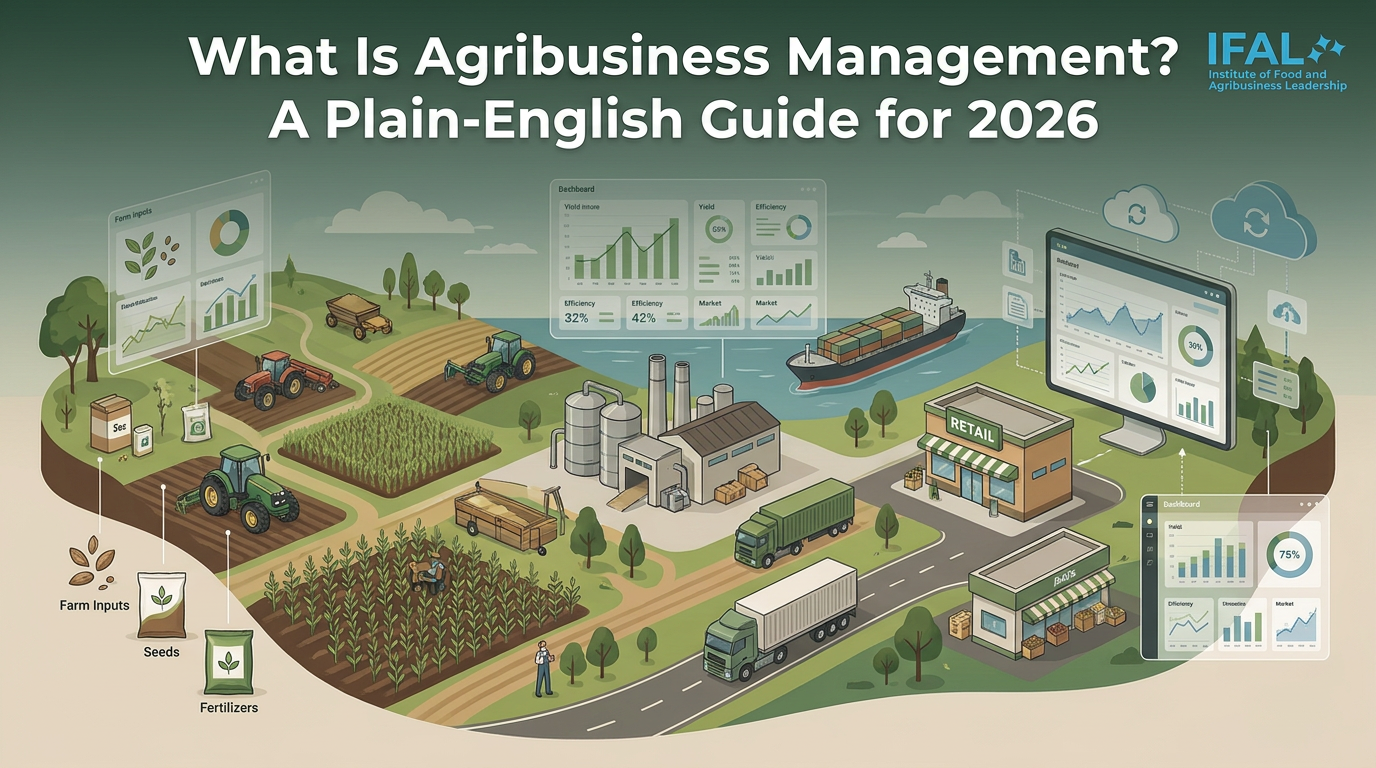
Today’s food supply chains are complex networks spanning continents and involving countless stakeholders. As these networks evolve, sustainability has emerged as the key driver reshaping how food moves from farm to plate. This transformation isn’t just about environmental protection—it’s about ensuring food security, reducing waste, and promoting ethical practices across the board.
The Role of Sustainable Sourcing
For instance, implementing sustainable sourcing strategies can build more resilient and transparent supply chains, which are essential for long-term viability.
Advancements in AgriFoodTech
Moreover, advancements in AgriFoodTech are playing a pivotal role in enhancing the efficiency and sustainability of food supply chains. Technologies such as blockchain for traceability and smart logistics systems are revolutionizing how food products are tracked and managed from production to distribution.
The Importance of Training and Education
Training and education are also critical components in this sustainable transformation. Programs like Sustainable Food Supply Chain Training equip professionals with the necessary skills and knowledge to implement effective sustainability practices within their organizations.
Addressing Food Losses and Waste
Additionally, addressing food losses and waste through innovative post-harvest technologies and best practices ensures that resources are utilized efficiently, further contributing to the sustainability of the global food supply chain.
The Broader Implications of Food Sustainability
Finally, understanding the broader implications of food sustainability encompasses not only environmental factors but also economic and social dimensions, ensuring a holistic approach to transforming the food industry for the better.
Moving Towards a Resilient and Eco-Friendly Future
By integrating these sustainable practices and leveraging technological advancements, the global food supply chain can navigate its current challenges and move towards a more resilient and eco-friendly future.
Frequently Asked Questions
- What is the significance of sustainability in food supply chains?
- Sustainability ensures that food production, distribution, and consumption practices are environmentally friendly, economically viable, and socially responsible, leading to long-term food security and reduced environmental impact.
- How does AgriFoodTech contribute to sustainable food supply chains?
- AgriFoodTech introduces innovative technologies like blockchain and smart logistics, enhancing traceability, efficiency, and reducing waste in the food supply chain.
- Why is training and education important in achieving sustainability?
- Training equips professionals with the necessary skills to implement sustainable practices effectively, fostering a culture of sustainability within organizations.
Take the Next Step
If you’re ready to advance your career in food and agribusiness:
Explore Avila University’s Agribusiness Certificate Programs
Identify the certificate that aligns with your career stage
Connect with admissions advisors to plan your learning pathway
Learn more:
https://www.avila.edu/avila-agribusiness-programs/