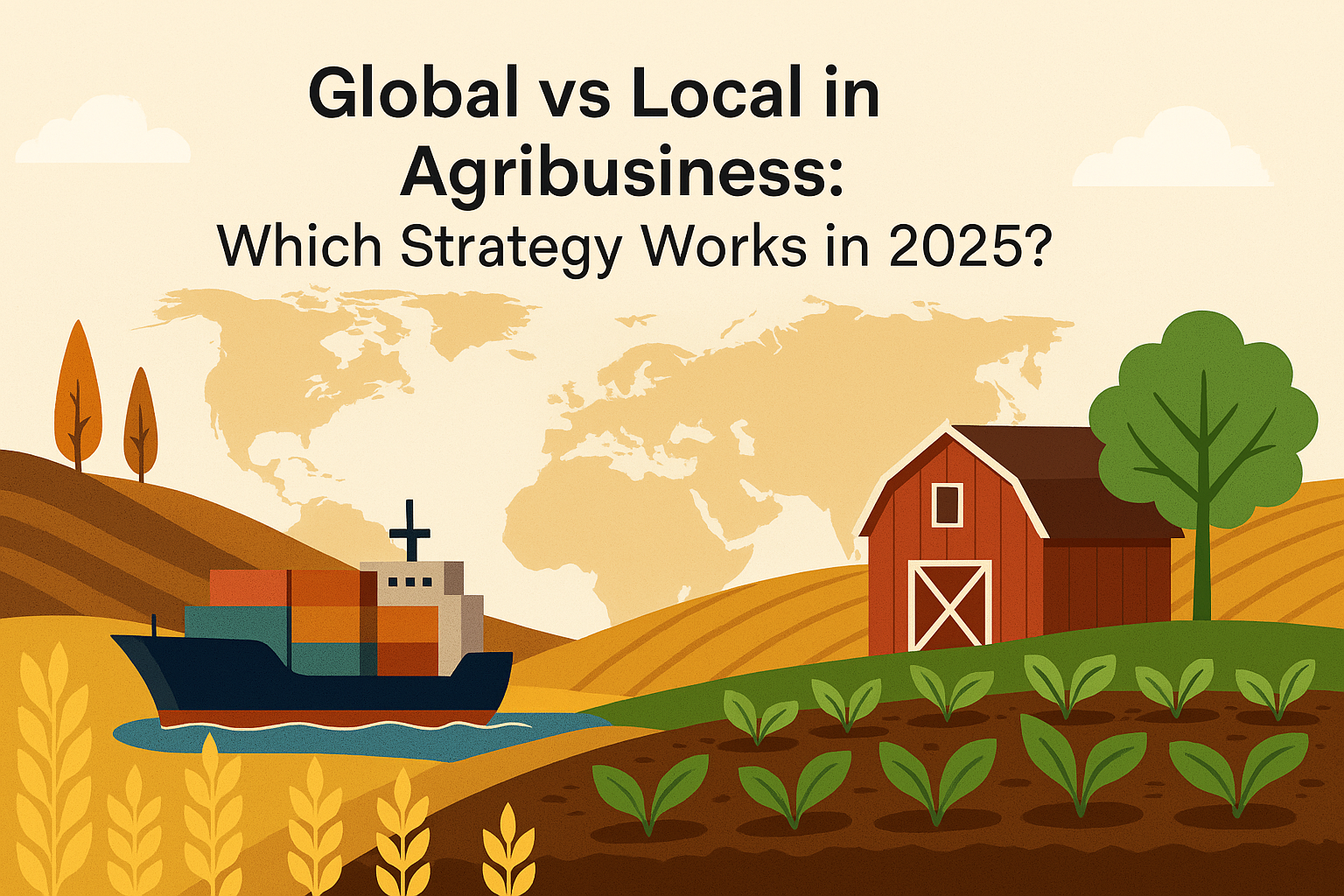
🌍 Global vs Local in Agribusiness: Which Strategy Works in 2025?
📦 Global vs Local: What’s Really Working in Food & Agriculture?
In the sun-drenched fields of Punjab, a small food processing unit packs its signature makki di roti & sarson da saag mix — not for local stores, but for shelves in Toronto and London. Meanwhile, in a Brooklyn neighborhood, a food startup sources tomatoes from just 40 miles away, delivering farm-fresh pasta sauce labeled with the name of the farm.
Two very different strategies. Both thriving. So, in 2025, what really works for agribusiness — going global, staying local, or something in between?
Let’s dig in.
🌾 The Global Game: Scale, Access, and Price Pressures
Global agribusiness offers immense reach, economies of scale, and huge consumer potential. But it also brings price wars, supply chain complexity, and rising consumer scrutiny.
🌐 Commodities That Power Global Trade
Palm oil, soybeans, wheat, coffee, and cocoa dominate global trade.
Countries like Indonesia, Brazil, and the US compete on price, logistics, and scale.
But surviving purely on price is risky — especially as climate disruptions, sustainability demands, and trade policy volatility increase.
💡 Why Differentiation Is Critical
To succeed globally, brands are:
Adding traceability and sustainability stories to commodities
Shifting toward value-added processing (cold-pressed, organic, ethically sourced)
Building consumer trust through transparent, digital-first storytelling
🥬 The Local Wave: Freshness, Trust, and Protected Cultivation
While global is about scale, local is about story, sustainability, and speed.
🚜 What’s Driving Local Food Systems?
Transparency & trust: Local supply chains can tell real stories about who grew your food and how.
Freshness & health: Local chains deliver nutrient-rich food fast — a big plus in urban health-conscious markets.
Climate advantage: Local = lower transport emissions + better community resilience.
🌱 Protected Cultivation is Changing the Game
Greenhouses and polyhouses now support year-round, high-quality local production — from Pune to Pennsylvania.
They enable smallholders to serve niche, premium urban markets reliably.
🏷️ GI Tags Are Building Premium Local Brands
India’s GI-tagged products (e.g., Darjeeling Tea, Naga Chilli, Kolhapuri Jaggery) offer both authenticity and pricing power.
GI + D2C = A future-ready, premium local food brand strategy.
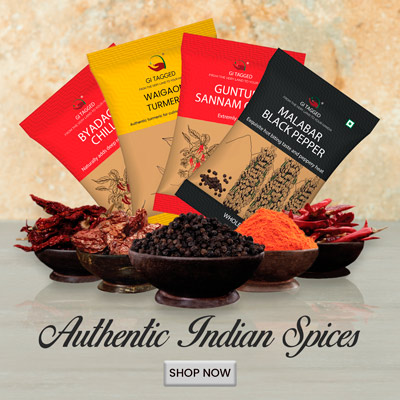
Source: gitagged.com
⚖️ The Glocal Middle: Rooted Locally, Aware Globally
Some of the smartest brands in 2025 are glocal — combining local sourcing with global branding, tech, and consumer insight.
📌 Examples:
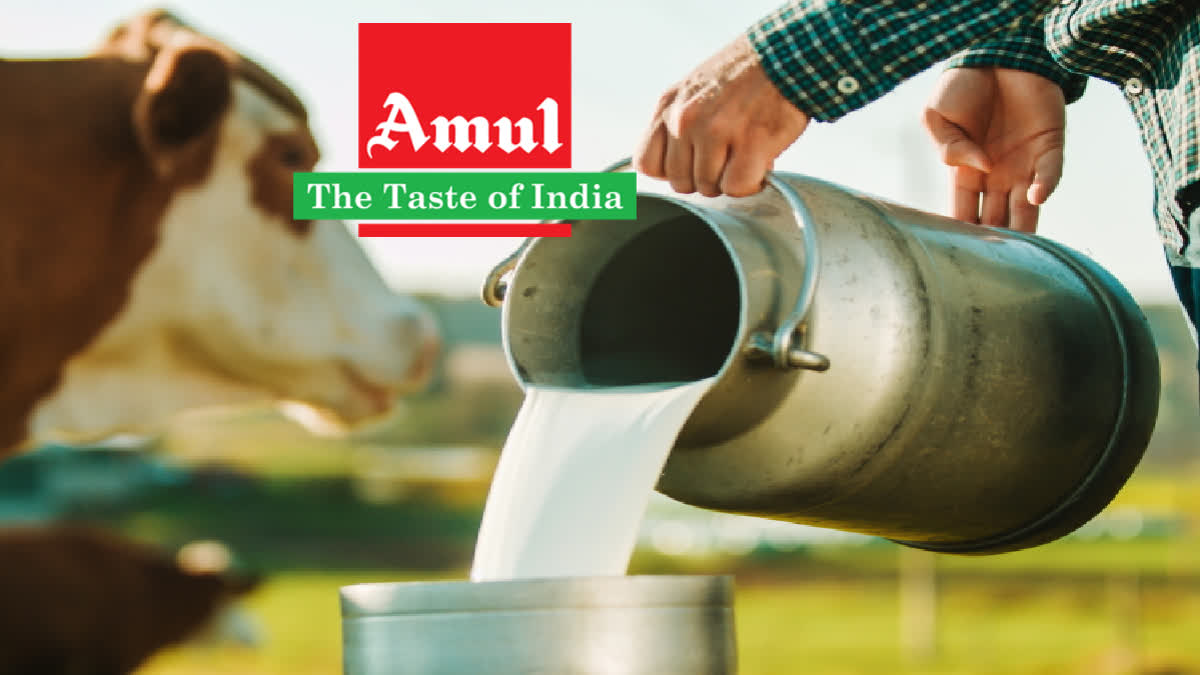
Amul runs deeply local dairy networks but exports worldwide.
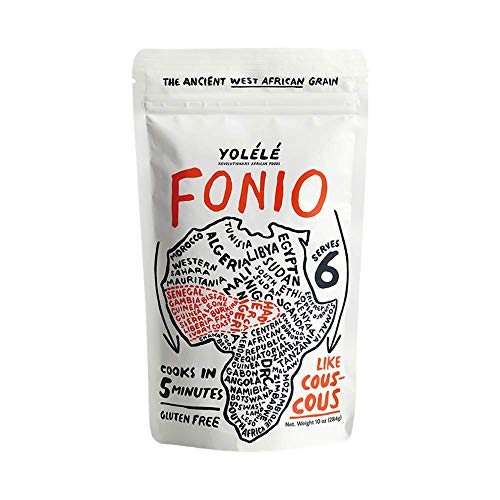
African startups export cassava and fonio with packaging tailored for health-conscious or diaspora consumers.
US-based brands like Tony’s Chocolonely build community-based sourcing in West Africa while targeting global fair trade buyers.
Glocal = Sustainability + Scale + Soul.

👩🌾 For Agribusiness Professionals: How to Choose Your Strategy
Ask yourself:
What’s your product type?
Perishables → local advantage
Commodities → add value or go niche
Cultural/ethnic → diaspora demand
Who is your customer?
Health-conscious urban dwellers want transparency and freshness
Diaspora audiences value taste, memory, authenticity
Do you know your value chain deeply?
From farm to shelf — where’s the opportunity to lead, not follow?
🚀 The Final Word: Strategy Is Local, Vision Is Global
In today’s food systems, the winners are not those who choose sides, but those who understand how to design resilient, differentiated value chains.
That’s what we teach in our Mini MBA in Food & Agribusiness — whether you want to scale your startup, lead sustainable sourcing, or design next-gen food ventures.
Take the Next Step
If you’re ready to advance your career in food and agribusiness:
Explore Avila University’s Agribusiness Certificate Programs
Identify the certificate that aligns with your career stage
Connect with admissions advisors to plan your learning pathway
Learn more:
https://www.avila.edu/avila-agribusiness-programs/