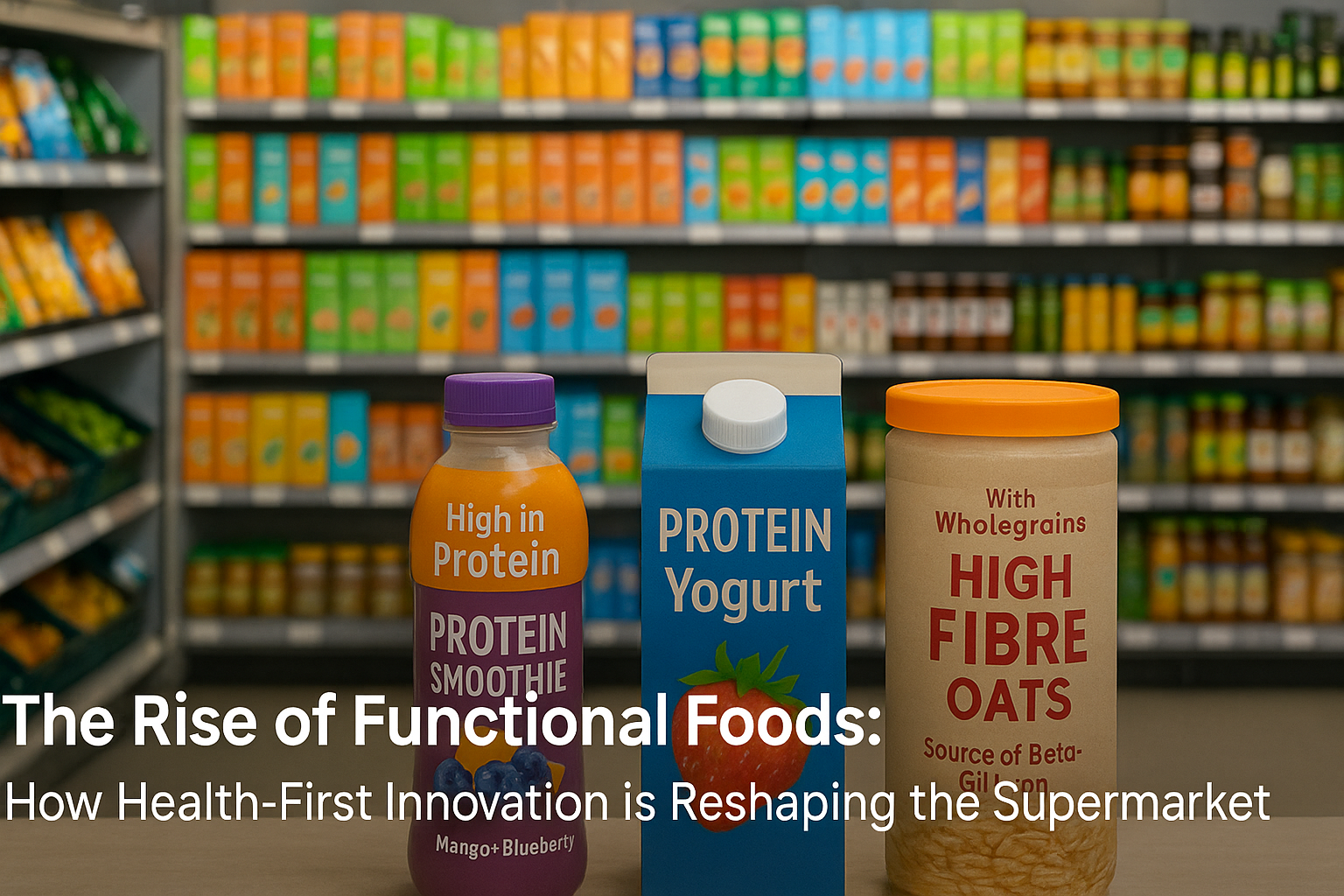
The Rise of Functional Foods: How Health-First Innovation is Reshaping the Supermarket Shelf
Introduction: From Superfoods to Super Sales
Imagine walking into your local supermarket and noticing a new section labeled “Wellness Aisle.” Here, shelves are lined with products boasting benefits like “supports gut health,” “enhances mental clarity,” or “boosts immunity.” This isn’t a scene from the future; it’s the present reality. The functional foods market is experiencing a significant transformation, driven by consumers’ increasing desire for health-promoting products.

Functional foods—those offering health benefits beyond basic nutrition—are no longer niche items. They’re becoming mainstream, reshaping retail strategies and consumer choices. Let’s delve into how this health-first innovation is revolutionizing the supermarket shelf.
Understanding Functional Foods
Functional foods are foods that provide health benefits beyond their nutritional value. They contain bioactive compounds that can positively impact health, such as probiotics for gut health, omega-3 fatty acids for heart health, or antioxidants for cellular protection.
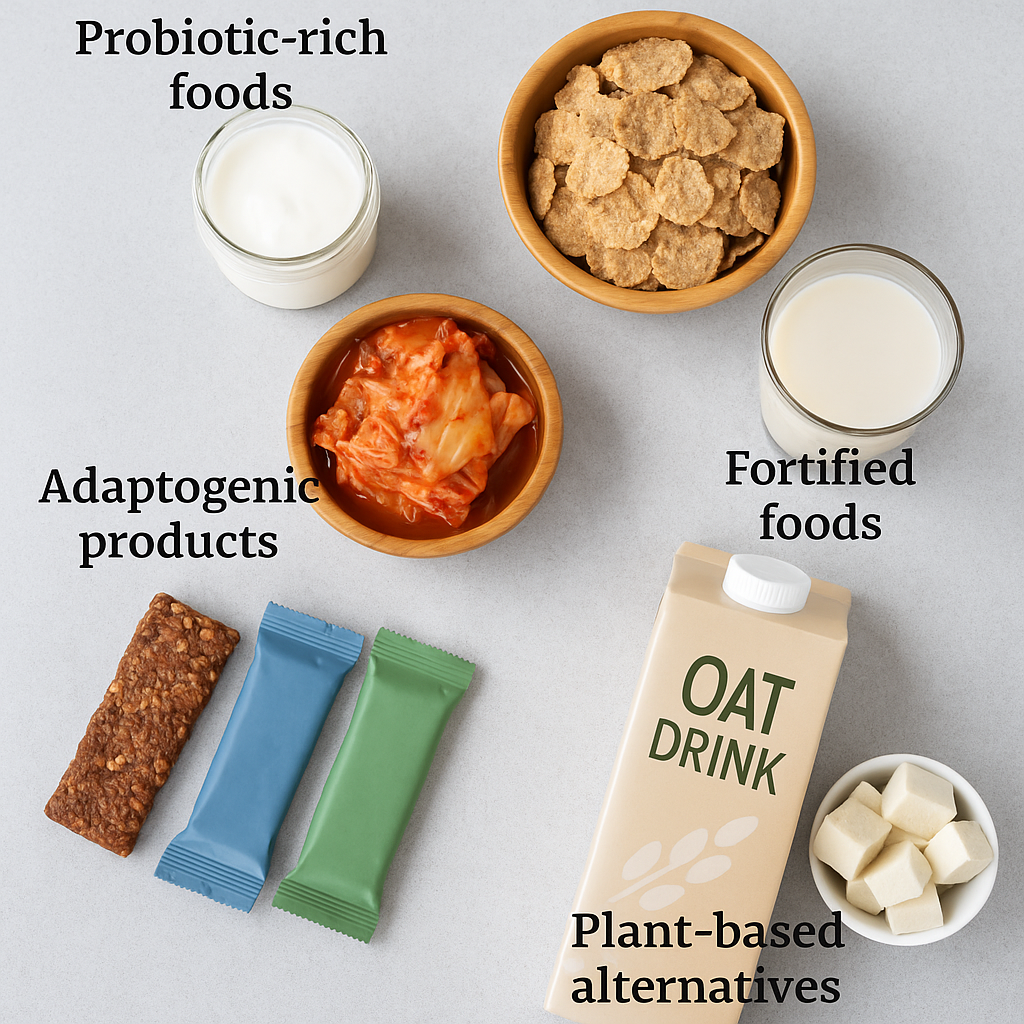
Categories of Functional Foods:
-
Probiotic-rich foods: Yogurts, kefir, and fermented vegetables like kimchi and sauerkraut.
-
Fortified foods: Cereals and beverages enhanced with vitamins, minerals, or omega-3 fatty acids.
-
Adaptogenic products: Foods and drinks containing herbs like ashwagandha or ginseng that help the body resist stressors.
-
Plant-based alternatives: Products enriched with functional ingredients to mimic the taste and texture of meat or dairy while offering added health benefits.
Market Drivers: The Health-Conscious Consumer
The surge in functional foods is primarily driven by a more health-conscious consumer base. Factors contributing to this shift include:
-
Post-pandemic wellness focus: The COVID-19 pandemic heightened awareness of health and immunity, leading consumers to seek foods that support overall well-being.
-
Preventive healthcare: There’s a growing preference for preventing health issues through diet rather than treating them with medication.
-
Personalized nutrition: Advances in technology allow consumers to tailor their diets based on individual health needs and genetic profiles.
According to a 2024 Global Trend Study by HealthFocus International, nearly three-quarters of global consumers are now aware of functional foods and beverages, with just over half planning to increase their use.
Retailers Respond: Transforming the Supermarket Experience
Retailers are adapting to this trend by:
-
Creating dedicated wellness sections: Supermarkets like Tesco and Sainsbury’s in the UK have introduced wellness zones to highlight functional products.
-
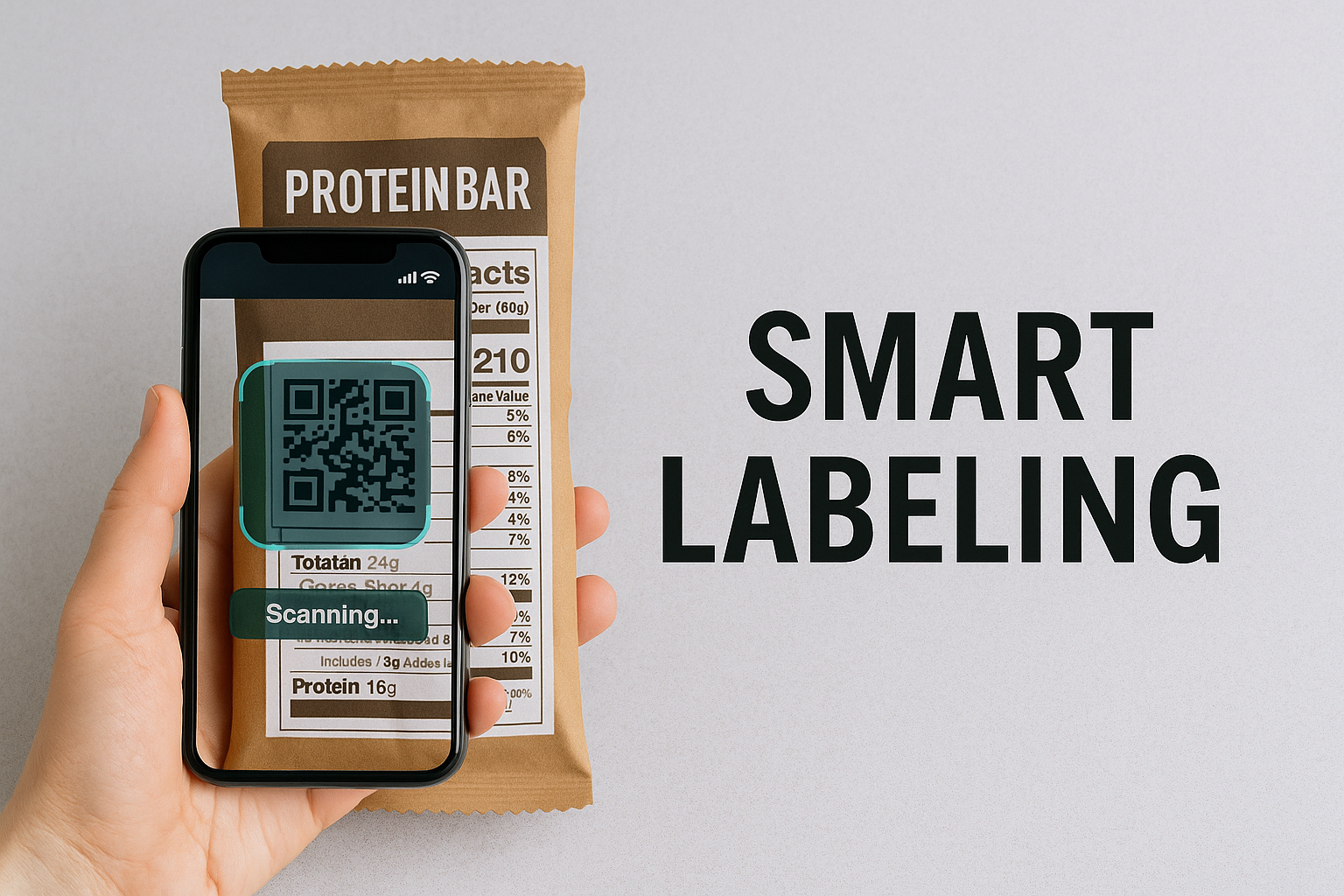
Innovative labeling: Use of QR codes and smart labels to provide detailed product information, including health benefits and sourcing.
-
Private label expansion: Retailers are developing their own lines of functional foods to meet consumer demand and differentiate themselves in the market.
Implications for the Food and Agribusiness Value Chain
The rise of functional foods impacts various aspects of the food and agribusiness sector:
-
Sourcing: There’s an increased demand for high-quality, bioactive-rich ingredients, prompting a shift towards sustainable and regenerative farming practices.
-
Processing: Advanced technologies like fermentation and low-heat drying are employed to preserve the functional properties of ingredients.
-
Packaging: Innovations include recyclable materials and intelligent packaging that monitors freshness and nutrient content.
Global Trends and Regional Innovations
India’s Ayurvedic Integration
India is witnessing a fusion of traditional Ayurvedic principles with modern functional food products. Startups are creating items like turmeric-infused beverages and ashwagandha snacks that cater to both domestic and international markets.

Africa’s Biofortification Efforts
In Africa, initiatives focus on biofortifying staple crops to combat nutrient deficiencies. For example, vitamin A-enriched cassava and iron-fortified beans are being introduced to improve public health outcomes.

Japan’s Regulatory Framework
Japan has established a robust regulatory system for functional foods, known as Foods for Specified Health Uses (FOSHU). This framework ensures that health claims are scientifically validated, fostering consumer trust and encouraging innovation.
Case Studies: Success Stories in Functional Foods
1. Kimchi’s Multifaceted Benefits
A 2024 study published in the Journal of Functional Foods found that consuming kimchi not only aids in weight loss but also improves gut microbiome diversity. Participants who consumed kimchi capsules experienced significant reductions in body fat and favorable changes in gut bacteria associated with obesity and diabetes.

2. Sauerkraut’s Anti-Inflammatory Properties
Research from the University of California, Davis, demonstrated that both store-bought and homemade sauerkraut protect intestinal cells from inflammatory damage. The fermentation process produces metabolites that help maintain the integrity of the intestinal wall, potentially preventing issues like leaky gut syndrome.

3. Pecans for Heart Health
A 2025 study by Pennsylvania State University revealed that replacing typical snacks with pecans led to significant reductions in LDL cholesterol and triglycerides among adults at risk for metabolic syndrome. The findings support pecans as a heart-healthy snack option.

Challenges and Considerations
While the functional foods market is booming, several challenges persist:
-
Regulatory hurdles: Ensuring that health claims are scientifically substantiated and comply with regional regulations.
-
Consumer skepticism: Overcoming doubts about the efficacy of functional foods requires transparent communication and education.
-
Accessibility: Making functional foods affordable and accessible to a broader population remains a critical goal.
Opportunities for SMEs and Professionals
Small and medium-sized enterprises (SMEs) and professionals in the food industry can capitalize on this trend by:
-
Innovating product offerings: Developing unique functional food products that cater to specific health needs or cultural preferences.
-
Leveraging technology: Utilizing digital tools for personalized nutrition recommendations and supply chain transparency.
-
Collaborating with researchers: Partnering with academic institutions to validate health claims and enhance product credibility.
Take the Next Step
If you’re ready to advance your career in food and agribusiness:
Explore Avila University’s Agribusiness Certificate Programs
Identify the certificate that aligns with your career stage
Connect with admissions advisors to plan your learning pathway
Learn more:
https://www.avila.edu/avila-agribusiness-programs/
Conclusion: Functional Is the New Foundational
Functional foods are no longer a niche market; they’re becoming a foundational element of the modern diet. As consumers increasingly seek foods that support their health and well-being, the food industry must adapt by embracing innovation, transparency, and sustainability.
Key Takeaways:
-
Functional foods offer health benefits beyond basic nutrition, addressing concerns like gut health, immunity, and heart health.
-
Consumer demand is driving retailers and manufacturers to innovate and expand functional food offerings.
-
Success in the functional foods market requires scientific validation, transparent communication, and a focus on accessibility.
-
SMEs and professionals have significant opportunities to lead in product innovation and personalized nutrition solutions.