The Rise of Plant Based Dairy: How Startups & Big Food Are Reshaping the Dairy Industry
For decades, dairy was an undisputed staple in households worldwide. A glass of milk with breakfast, a cheesy pizza for dinner, and a scoop of ice cream for dessert—it was part of everyday life. But as consumer preferences shift toward health-conscious and sustainable food choices, the dairy industry finds itself in a battle for survival against the rise of plant-based alternatives.
The Rise of Plant-Based Dairy: A Movement, Not a Trend
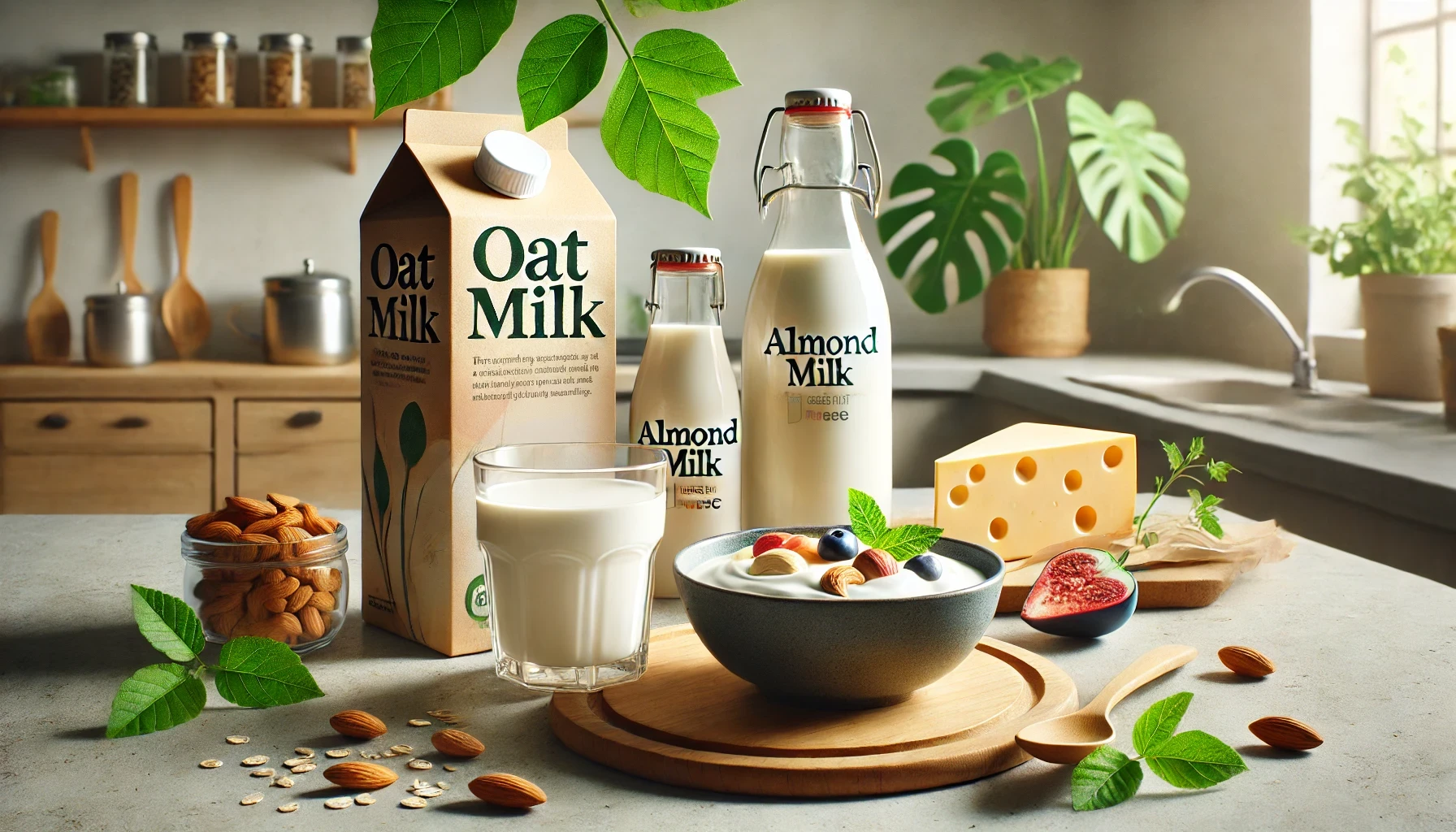
From oat lattes to almond-based cheeses, plant-based dairy alternatives are no longer niche products; they are a booming industry. A perfect example is Nestlé’s KitKat V—an entirely plant-based version of the iconic chocolate bar—launched in response to the growing demand for dairy-free indulgences. Similarly, Hershey’s ‘Oat Made’ chocolate bars have capitalized on the popularity of oats, a rising star in the plant-based movement.
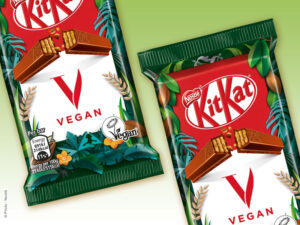
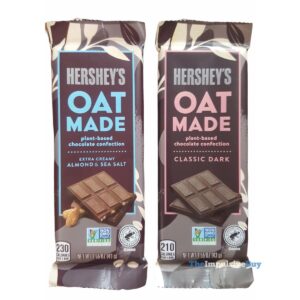
The numbers tell the story: The vegan confectionery market is already valued at $1 billion, with plant-based chocolate representing 40% of that. In major markets like the U.S., UK, and Australia, about 6% of chocolate products now carry vegan labels, a number expected to grow to 10% in the coming years.
Meanwhile, traditional dairy has been struggling. In the U.S., per capita milk consumption has plummeted by 40% since 1975, with alternative dairy products increasingly filling supermarket shelves. The impact is undeniable—big dairy players are forced to either innovate or lose relevance.
Startups Driving the Non-Dairy Revolution
While big food companies are now entering the plant-based dairy space, the real driving force behind this movement is startups. Unlike traditional food giants, startups have been more agile, consumer-focused, and willing to take risks in formulation, branding, and distribution.
Companies like Perfect Day are leading the way by leveraging precision fermentation to create animal-free dairy proteins that mimic the taste and functionality of real dairy. Meanwhile, Oatly revolutionized oat-based milk alternatives, gaining cult-like status among coffee lovers. Miyoko’s Creamery has also set a new standard in plant-based cheese, proving that non-dairy alternatives can deliver the richness and complexity of traditional dairy.
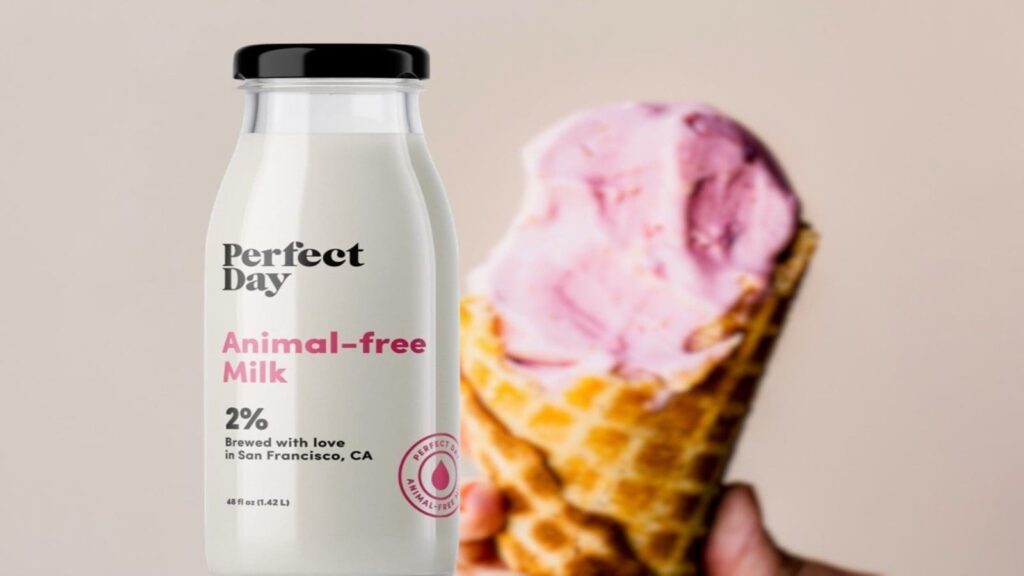
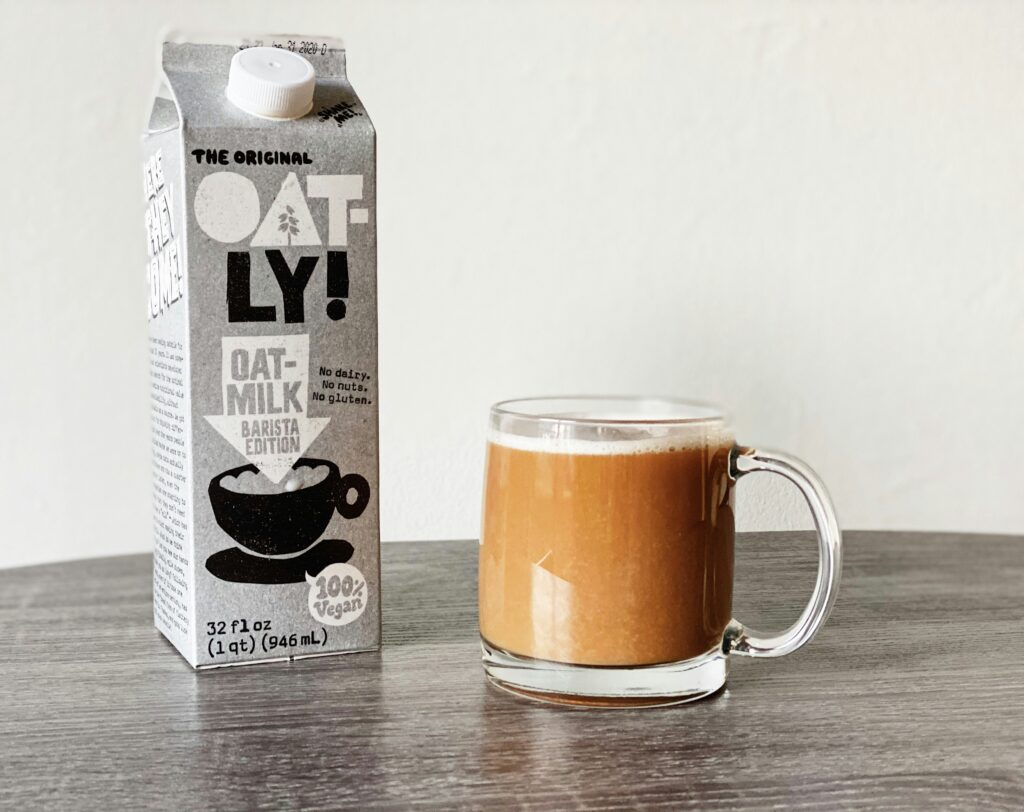
Startups’ ability to respond quickly to consumer trends, invest in direct-to-consumer (DTC) models, and market themselves as ethical, sustainable, and innovative gives them an edge over legacy dairy brands. By positioning themselves as healthier and more sustainable choices, they have successfully disrupted the dairy industry.
Why Non-Dairy Is Gaining Ground: Taste, Health, and Ethics
For years, the biggest challenge for plant-based dairy was taste—but that has changed dramatically. Today, advancements in food science and ingredient innovation have resulted in plant-based milk, cheese, and chocolate that are almost indistinguishable from their dairy counterparts. Companies are using cashews, oats, and fermentation technology to recreate the creaminess and umami flavors of real dairy.
Health is another major driver. Consumers are increasingly wary of dairy due to concerns over lactose intolerance, saturated fats, and hormones in milk. Many perceive plant-based alternatives as healthier, with benefits like lower cholesterol and added functional ingredients such as probiotics and protein fortification.
The ethical and environmental concerns surrounding traditional dairy have further fueled the shift. Reports on animal welfare, methane emissions, and water consumption have made many consumers rethink their dairy choices. Brands like Switch4Good and activist groups have successfully influenced public perception, advocating for dairy-free diets in the name of sustainability and animal rights.
How Big Food Is Responding to the Competition from Startups
Faced with growing competition from plant-based startups, major food companies are adapting their strategies to capture market share in the booming dairy-alternative space. While they were initially slow to react, many large food corporations are now aggressively expanding their non-dairy portfolios.
1. Acquiring and Investing in Startups
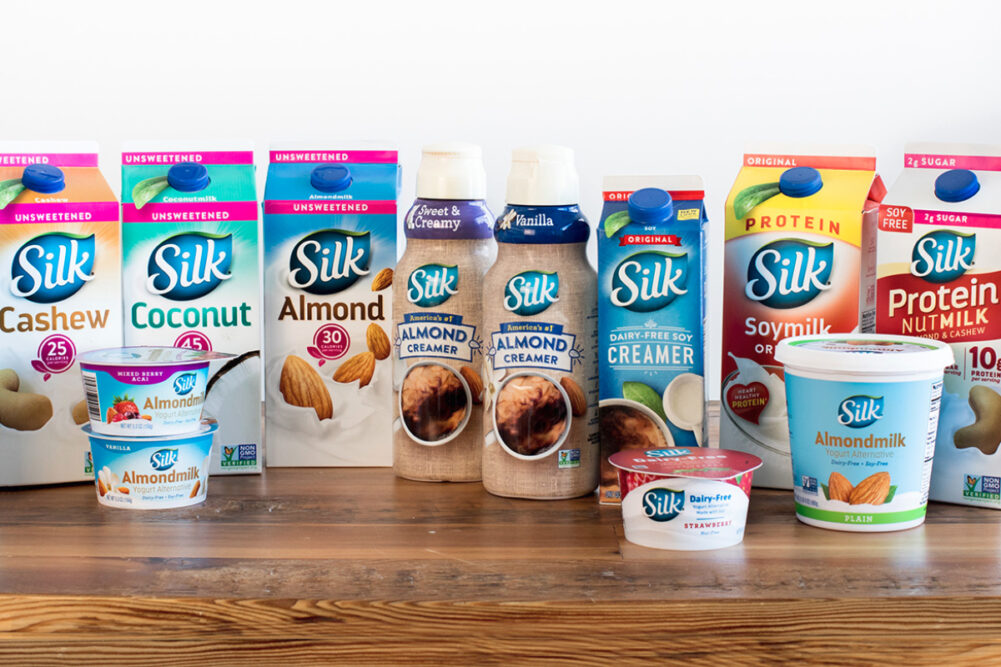
Rather than developing alternatives from scratch, many major food companies are acquiring successful plant-based brands or investing in their growth. For example, Danone acquired WhiteWave Foods, the parent company of Silk and Alpro, to strengthen its presence in the plant-based milk sector. Similarly, Nestlé has invested in plant-based innovation, launching its own dairy-free products, including KitKat V and Wunda pea milk.
2. Expanding Product Lines with Non-Dairy Variants
To keep up with shifting consumer preferences, companies like Mars, Hershey, and Mondelez are diversifying their product lines. Mars was the first major chocolate company to introduce a vegan version of its products, while Hershey and Mondelez (Cadbury’s parent company) have followed suit. These moves signal a clear recognition that plant-based alternatives are no longer niche but mainstream.
3. Developing Hybrid Dairy Products
Instead of going fully plant-based, some traditional dairy companies are launching hybrid products that blend dairy with plant-based ingredients. This allows them to cater to consumers looking for sustainability and better health choices while still enjoying the taste and texture of dairy. Danone’s launch of dairy-plant protein hybrid products is an example of how big food is strategically positioning itself to appeal to both dairy and non-dairy consumers.
Implications for Traditional Dairy: Can It Stay Competitive?
While plant-based dairy alternatives gain traction, real dairy isn’t ready to throw in the towel. Instead, dairy farmers and industry giants must rethink their strategy to stay relevant. Here’s how they can stay competitive:
1. Focus on Sustainable Dairy Farming
One of the biggest criticisms of traditional dairy is its environmental impact—methane emissions from cows, water pollution, and high water consumption. However, some dairy farms are addressing these concerns head-on. For instance, some regenerative dairy farms in the U.S. and Europe are implementing methane-reduction technology, sustainable grazing practices, and water recycling methods to lower their carbon footprint.
2. Improve Public Perception Through Transparency
A growing number of consumers are influenced by activist movements like Switch4Good, which lobbies for removing dairy from dietary recommendations. To counter this, the dairy industry must improve storytelling and consumer engagement.
Farmers should take an active role in public discussions, showcasing their efforts to produce ethical and sustainable dairy products. Social media and influencer partnerships can also play a crucial role in reshaping public perception.
3. Innovate with Hybrid Dairy Products
Rather than seeing plant-based alternatives as competition, some dairy brands are blending traditional dairy with plant-based ingredients to appeal to health-conscious consumers. Companies like Danone have introduced hybrid products, mixing dairy and plant-based proteins to create better-for-you options. This could be a middle ground for consumers who want sustainability but still enjoy the taste and texture of real dairy.
Key Takeaways
 Startups are leading the non-dairy revolution, outpacing big food companies with innovation and consumer-focused branding.
Taste and health improvements have made plant-based alternatives real competition for dairy.
Sustainability and ethical concerns are key drivers behind the shift toward non-dairy.
Traditional dairy must innovate with sustainable farming, transparency, and hybrid dairy products to stay relevant.
Sources & References
Food Navigator – Trends in plant-based dairy
Vegconomist – Growth of the vegan confectionery market
Food Dive – Big food’s response to plant-based trends
FT.com – Mondelez and Celleste Bio’s alternative cocoa investments
Just Food – Perfect Day’s precision fermentation dairy
The Future of Dairy: Adapt or Fade Away
The battle between traditional dairy and plant-based alternatives isn’t about one replacing the other—it’s about evolution. The brands that will thrive are those that embrace change, prioritize sustainability, and communicate their value to consumers effectively.
In an era where taste, health, and environmental impact matter more than ever, the future of dairy will be shaped by those willing to innovate. Whether it’s oat-based chocolate, lab-grown milk proteins, or regenerative dairy farms, one thing is clear: the dairy industry must adapt or risk fading into history.
As the food landscape shifts, one question remains—how will you choose your next chocolate bar or morning latte? The answer may just shape the future of dairy.
#PlantBased #DairyAlternatives #FoodInnovation #SustainableDairy #FutureOfFood